Key Highlights
Here are the key takeaways from our exploration of unique hidden room ideas:
- A hidden doorway can be disguised as a bookcase, fireplace, or even a simple wall panel.
- The decor of your living room can seamlessly hide the entrance to a secret space.
- You can transform unused areas like closets or the space under stairs into hidden rooms.
- Secret rooms can serve many purposes, from a private home office to a fun game room.
- Proper planning and the right materials are crucial for creating a convincing hidden room.
Introduction
Have you ever dreamed of having your very own secret room? The idea of a hidden space, concealed behind a secret door, adds a layer of mystery and intrigue to any home. Whether you imagine a quiet reading nook, a private office, or a playful hideout, a secret room offers a unique way to personalize your living space. It’s a chance to create a sanctuary that is yours and yours alone, adding both value and a sense of wonder to your home.
15 Unique Hidden Room Designs for Your Dream Home
Finding the perfect location for your hidden room is the first step in bringing this exciting project to life. While a swinging bookcase is a classic choice, there are countless other creative ways to design a secret entrance that blends perfectly with your home's decor. Think beyond the obvious to create a space that adds genuine intrigue.
From disguised wall panels to a concealed door within a fireplace, the possibilities are endless. These ideas help you make the most of your available space while keeping your secret room completely out of sight. Let’s explore 15 unique designs that can help you build the hidden room of your dreams.
1. Secret Bookcase Passage
The secret bookcase passage is a timeless classic for a reason. It combines functionality with a sense of adventure, turning an ordinary bookshelf into a hidden doorway. This type of entrance can be a hinged, single bookcase that swings inward or outward, or a larger unit that slides on a track to reveal the room behind it.
Building your own secret room behind a bookshelf can range in difficulty. A simple project might involve placing a bookcase on heavy-duty casters, while a more integrated design requires installing invisible hinges to make the secret passage seamless. The key is to ensure the bookshelf can support the weight of your books while operating smoothly as a door.
With the right planning, you can create a sturdy and convincing entryway. This approach not only provides a fantastic hidden door but also adds valuable storage and display space to the room.
2. Concealed Fireplace Entry
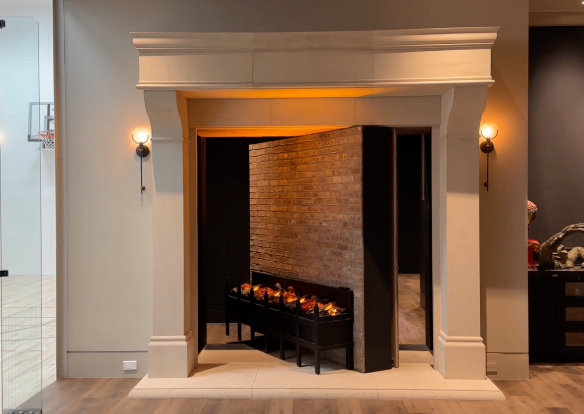
Imagine a cozy fireplace that holds a remarkable secret. A concealed fireplace entry is a truly unique way to hide a room in plain sight. This design often involves making the entire fireplace surround a hidden door that pivots or slides to grant access. This is an excellent option for a living room or den where a fireplace is a natural focal point.
The construction of this secret entrance usually integrates the door into the surrounding wall panels or masonry. The goal is to make the seams of the hidden door completely invisible, blending them into the grout lines of the stonework or the trim of the mantelpiece.
This advanced design adds a touch of sophistication and surprise that few would ever suspect. It’s a bold choice that transforms a common architectural feature into a mysterious and functional entrance.
3. Hidden Room Under the Stairs
The often-overlooked space under the stairs is the perfect location for a charming hidden room. This nook is ideal for creating a small, cozy secret space, such as a children's playroom, a quiet reading corner, or extra storage. Its compact size makes it a whimsical and efficient use of available space.
To conceal the entrance, you can install a small door disguised to look like part of the wall, complete with matching baseboards and paint. Another creative idea is to build a small bookshelf or cabinet that swings open to reveal the hidden room behind it.
Creating a secret room under the stairs is a fantastic way to maximize every square foot of your home. It’s a practical and playful solution, especially in small homes where every inch of space counts.
4. Disguised Wall Panel Door
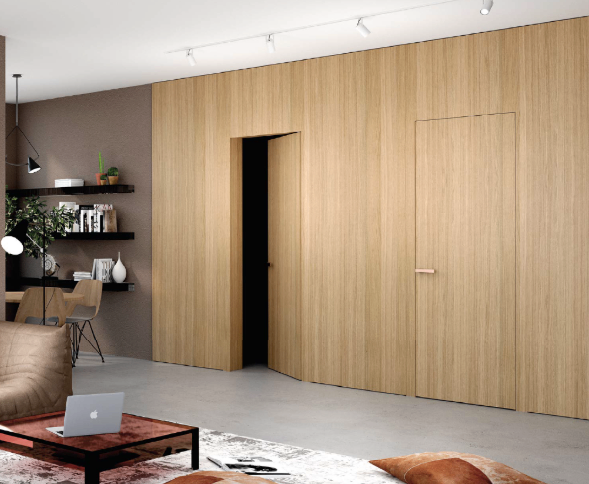
For the ultimate in stealth, a disguised wall panel door is an excellent choice. This design creates a hidden door that is completely flush with the surrounding wall, making it virtually invisible at first glance. The secret is to use specialized hardware like SOSS invisible hinges, which are concealed within the door and doorframe.
The key to a successful wall panel door is meticulous attention to detail. The door must align perfectly with the adjacent wall panels, trim, or wainscoting. By repeating the wall's pattern across the door, you can make the seams disappear, leaving no visual clues of the entrance.
This method is perfect for creating a sleek and modern hidden room entrance. Whether you're hiding a home office, a safe room, or a private lounge, a flush design ensures your secret remains undiscovered.
5. Pantry with a Secret Back Room
A pantry is a common feature in many kitchens, making it an ideal spot to hide a secret room. By creating a hidden doorway at the back of the pantry, you can add a surprising amount of extra space without anyone knowing. The entrance can be disguised as a set of shelves or a cabinet.
This concept brilliantly combines functionality with secrecy. The pantry retains its normal use for storing food and kitchen supplies, while the back panel swings open to reveal a secret space. This could be a wine cellar, a secure storage area for valuables, or even a small home office.
Using a pantry for your hidden doorway is a clever way to integrate a secret room into one of the most practical areas of your home. It’s a smart use of space that adds a layer of unexpected utility.
6. Attic Hideaway with Slide Access

Transform your attic from a dusty storage area into an exciting hideaway. An attic offers a secluded location for a hidden room, but you can elevate the concept by adding a playful entry, like a slide. This idea is perfect for creating a secret space dedicated to recreation, such as a game room or a kids' clubhouse.
Improving accessibility to the attic is key. Instead of a standard pull-down ladder, you can build a hidden hatch in the ceiling of a closet or a less-trafficked room. The slide adds an element of fun and surprise, making the journey to the secret space part of the adventure.
This idea is especially suitable if you have a finished or semi-finished attic. It turns an underutilized area into a destination for fun and relaxation, making it a unique and valuable addition to your home.
7. Basement Wine Cellar Behind Movable Shelving
Your basement holds incredible potential for a hidden room, especially if you want to create a space with a specific theme. A fantastic idea is to build a secret wine cellar or a speakeasy bar concealed behind a wall of movable shelving. This creates an atmosphere of exclusivity and charm.
The entrance can be a large shelving unit on a track that slides to the side, revealing the hidden room behind it. You can stock the shelves with decorative items, storage bins, or books to make it look like a permanent part of the basement wall.
This design is perfect for entertaining guests who are in on the secret. A hidden speakeasy bar or wine cellar in the basement provides a unique and memorable experience, turning an ordinary part of your home into a sophisticated and secret retreat.
8. Wardrobe Walk-Through Closet
Inspired by classic fantasy tales, a wardrobe that opens into a hidden passage is a magical addition to any bedroom. This idea involves modifying a freestanding wardrobe or a built-in closet so that its back panel functions as a secret door. The existing doors of the wardrobe help hide the seams of the hidden entrance.
The back of the wardrobe can be mounted on hinges to swing open into the secret room. This could lead to a walk-in closet, a private study, or a quiet reading nook. The key is to ensure the wardrobe is securely anchored to prevent it from tipping.
This type of hidden passage is relatively simple to construct yet offers a high degree of charm and whimsy. It’s a wonderful way to add a touch of fantasy and intrigue to your home's decor.
9. Bathroom Leading to a Private Spa Retreat
Elevate your master suite by adding a secret entrance in the bathroom that leads to a private sanctuary. A hidden door disguised as a large mirror, a tiled wall section, or a cabinet can open into a personal spa retreat. This space could feature a sauna, a large soaking tub, or a quiet meditation room.
This idea maximizes privacy, creating a space where you can truly unwind and escape from the stresses of daily life. The seamless integration of the secret entrance into the bathroom's design ensures that your retreat remains completely hidden and personal.
A private spa is a luxurious use for a hidden room, but the space could also serve as a secluded home office. It provides a peaceful environment perfect for focus and relaxation, all concealed behind an unsuspecting bathroom feature.
10. Garage Stone Wall Secret Office
A garage isn't just for parking cars; it can also be the perfect place for a hidden doorway. Consider creating a secret office or workshop behind a faux stone wall. A section of the wall can be built to pivot or slide open, revealing a fully functional workspace.
This design is ideal for those who need a quiet home office away from the main living areas. The rugged look of a stone wall provides excellent camouflage for a hidden doorway, as the irregular patterns and grout lines can easily conceal the door's edges.
By converting a portion of your garage, you can gain a productive and private workspace without sacrificing living space inside your house. It’s a practical and creative solution for separating your work life from your home life.
Popular Themes and Uses for Secret Room Design Ideas
Once you have your secret room built, the fun part begins: deciding its purpose. The theme of your hidden space is limited only by your imagination. You can create a room dedicated to work, play, or pure relaxation. Many people choose to turn their secret room into a private home office or a secure safe room for valuables.
Whatever you choose, the hidden nature of the room means you don't have to worry about its style matching the rest of your home. This is your chance to experiment with bold designs and create a space that truly reflects your personality and interests. Let’s explore some popular themes and uses.
Game rooms, home theaters, safe rooms, and relaxation nooks
A secret room is the perfect spot for recreation and entertainment. Because it's hidden away, you can design a space that is entirely dedicated to fun without disrupting the rest of your home. Imagine having a private retreat for your favorite activities.
Some of the most popular uses for these hidden spaces focus on leisure and security. You can tailor the room to fit your specific needs and hobbies.
- Game Room: Create the ultimate gaming setup with consoles, a big screen, and comfortable seating.
- Home Theater: Install a projector, surround sound, and theater-style chairs for a cinematic experience.
- Safe Room: A secure space to store valuables or use as a panic room.
- Relaxation Nook: A quiet, electronics-free zone for reading, yoga, or meditation.
Whether it’s a high-tech home theater or a tranquil relaxation nook, a secret room offers a unique opportunity to create a dedicated space for whatever brings you joy.
Creative security features and privacy enhancements
Beyond fun and games, a secret room can significantly enhance your home's security and privacy. A hidden room can function as a panic room, providing a safe haven for your family in case of intruders. When designing a room for security, it is important to include features that ensure its integrity.
Consider reinforcing the walls and door to make them more resistant to forced entry. You should also think about how the door will be secured from the inside. A simple gate latch won't be enough; you'll want a robust locking mechanism.
Here are a few security features to consider:
- Reinforced steel door and doorframe.
- A high-security lock that cannot be picked easily.
- Independent communication lines, such as a dedicated phone line.
- A ventilation system to ensure air quality.
These additions can turn your secret room into a formidable safe space when you need it most.
Practical Tips for Building Hidden Room Designs
Building a hidden room requires careful planning to ensure the final result is both convincing and functional. Before you begin construction, think about the available space and how you intend to use the room. The complexity of building a hidden door can vary, from a simple DIY project to a job requiring a professional contractor.
Proper planning will help you choose the right materials and design for your hidden door, ensuring it operates smoothly and remains concealed. The following tips will guide you through some of the practical aspects of bringing your secret room to life.
Best materials for constructing secret doors and walls
Choosing the right materials is essential for creating a durable and convincing hidden door. The materials you select will depend on the type of secret door you're building. For a door that blends into a wall, you'll want to use the same drywall and paint as the surrounding area.
The structure of the door itself needs to be strong. A solid core door is often a better choice than a hollow one, as it provides more stability and security. The doorframe must be sturdy enough to support the door and the forces of opening and closing it. Most importantly, the hinges must be able to handle the weight and provide the seamless look you want.
Here is a quick guide to common materials and their uses:
- Plywood/MDF: Building custom bookcases or cabinet doors.
- Drywall: Creating a flush wall-panel door.
- Steel: Reinforcing doors and frames for a safe room.
- Invisible Hinges: Achieving a seamless, completely hidden door.
Space-saving ideas for small homes
Even in small homes, you can find clever ways to incorporate a hidden room. The key is to make creative use of the available space you already have. Look for underutilized areas that can be repurposed with a smart design. A hidden room doesn't have to be large to be effective.
Think vertically and look for nooks and crannies that are often ignored. A small secret space can be just as exciting and useful as a large one, providing valuable storage or a cozy hideout.
Here are a few space-saving ideas for a hidden room in a small home:
- Convert a deep closet into a tiny office or reading nook.
- Use the space under a staircase for a children's play area.
- Build a shallow "murphy" style door that hides a compact storage area.
- Create a false back in a wardrobe for securing small valuables.
- Design a hidden compartment beneath a window seat.
Conclusion
In conclusion, hidden rooms can add a touch of intrigue and luxury to your dream home while maximizing space and enhancing privacy. Whether you envision a secret bookcase passage or a cozy attic hideaway, the possibilities are endless. By considering themes and practical tips discussed in this blog, you can create unique spaces that reflect your personality and lifestyle. Remember to think creatively about materials and designs that will work best in your home. Embrace the adventure of transforming your living space with these hidden room ideas, and let your imagination run wild! If you're ready to start your journey toward creating a unique hidden room, don’t hesitate to reach out for further assistance or ideas.
Frequently Asked Questions
What are affordable ways to add a hidden room to an existing home?
The most affordable way to create a hidden room in an existing home is to conceal the entrance in plain sight. Use a large piece of art, a tapestry, or a freestanding bookshelf to hide a standard door. This approach minimizes construction costs and uses existing decor to create the illusion of a solid wall.
How can I conceal a door for a secret room design?
You can conceal a hidden door by making it look like another object. Popular options include bookcase doors, pivoting fireplaces, and doors disguised as wall panels. The goal is to choose a type of entrance that blends seamlessly with the room's design so it is unnoticeable at first glance.
Are there common places in homes for secret room design ideas?
Yes, common places for a hidden room include basements, attics, and large closets, as these areas often have extra space that won't be missed from the rest of your home. The space under a staircase is another perfect location, especially for creating smaller, cozier secret rooms.