Key Highlights
- The luxury real estate market shows resilience against economic shifts, largely due to an increase in all-cash purchases.
- Preferences of luxury buyers are evolving, with a new focus on outdoor living spaces, home offices, and wellness amenities.
- Rising home prices are elevating more homeowners into the luxury market for the first time.
- Smart home technology and sustainable, eco-friendly features are becoming standard expectations, not just add-ons.
- While classic luxury locations remain popular, new hotspots are emerging in southern and western states.
- Sellers in the current real estate market must be more strategic with pricing and marketing to attract luxury home buyers.
Introduction
The luxury real estate market is in a period of exciting transformation. Shifting buyer priorities, economic trends, and technological advancements are all reshaping what it means to buy and sell high-end properties. If you are navigating this dynamic landscape, understanding these key drivers is essential. The luxury market has its own unique rhythm, often moving differently than the general real estate market. Let’s explore the top factors that are currently influencing the world of luxury real estate.
6 Key Factors Shaping the Luxury Home Market in the United States Today
The luxury real estate market in the United States is currently being defined by a fascinating blend of influences. From economic pressures to changing lifestyle demands, several key elements are steering the direction of the real estate landscape. These factors influence everything from home prices to the features that home buyers prioritize most.
Understanding these forces offers a clearer picture of today's luxury market. You can gain valuable insights into what drives value and demand, whether you are preparing to buy your dream home or sell a prized property. Below, we examine the ten most significant factors shaping the market.
1. Evolving Buyer Preferences and Lifestyle Demands
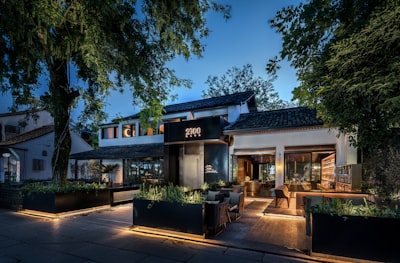
The wish lists of luxury home buyers are changing significantly. The pandemic reshaped how people view their homes, and today's buyers are looking for more than just square footage. There is a strong emphasis on creating a personal retreat that supports a holistic lifestyle. This means properties that offer both comfort and functionality are in high demand.
One of the biggest shifts is the growing importance of outdoor living. Features like expansive patios, outdoor kitchens, and beautifully landscaped yards are now considered essential. Inside, dedicated home offices are a must-have as remote work continues to be prevalent. Additionally, wellness features are gaining traction, with buyers seeking spa-like bathrooms, home gyms, and even infrared saunas.
Furthermore, there is a rising trend of multigenerational living. Gen X buyers, in particular, are looking for flexible layouts that can accommodate family members from different generations. Homes with in-law suites, dual kitchens, or separate entrances are becoming increasingly attractive, reflecting a change in buyer preferences toward homes that can adapt to evolving family needs.
2. Impact of Economic Trends on Luxury Property Market Prices
While economic trends can cause turbulence in the broader housing market, the luxury segment often charts its own course. Due to economic uncertainty and rising interest rates, many affluent buyers are opting for cash purchases to secure properties. This insulates a significant portion of the luxury real estate market from the volatility of mortgage rates.
According to a Coldwell Banker report, an overwhelming 96% of luxury buyers are either maintaining or increasing their use of cash purchases. This strategy not only helps them avoid high borrowing costs but also gives them stronger negotiating power in a competitive market. High-net-worth individuals often view real estate as a stable asset and a key part of a diversified investment portfolio.
However, the market is not uniform. There's a noticeable difference between ultra-wealthy individuals, who continue to actively purchase second and third homes, and "aspirational" luxury buyers. Those with a net worth between $1 million and $5 million are often more cautious, seeking out deals or targeting homes with renovation potential to build value.
3. Supply, Inventory, and Listing Dynamics in Luxury Real Estate
The days of homes flying off the market with minimal effort are fading. The luxury market is becoming more balanced, which means that supply and inventory dynamics are shifting. While overall supply remains relatively low, buyers are becoming more discerning. This requires sellers to be more strategic and realistic with their luxury home listings.
Sellers can no longer expect immediate bidding wars. Instead, success in today’s luxury market requires a thoughtful approach to pricing, marketing, and even offering creative contingencies like including furniture in the sale.
Old Market Dynamic — New Market Dynamic
- High buyer competition drove prices up — A more balanced market requires competitive pricing
- Homes sold almost as soon as they were listed — Strategic marketing is needed to attract qualified buyers
- Sellers held most of the negotiating power — Buyers are less likely to overpay and may seek deals
- A simple “for sale” sign was often enough — Personalized sale terms and creative contingencies help
This shift in listing dynamics means that correctly pricing a home from the start is more critical than ever. As the market steadies post-pandemic, overpricing a property can lead to it sitting on the market for an extended period.
4. Technology Innovations: Smart Features and Home Automation
Technology has become an integral part of modern luxury living. Today's high-end buyers expect more than just a beautiful home; they want a smart one. Smart home technology is no longer a novelty but a standard feature that enhances convenience, security, and efficiency. These innovations are transforming how people interact with their living spaces.
The demand is for seamlessly integrated home automation systems. Buyers are looking for clutter-free solutions where technology is embedded into the home's design. This includes centralized control for lighting, climate, entertainment systems, and security, all managed through a smartphone or a discreet wall panel. The goal is to create an environment that is both intelligent and intuitive.
These technology innovations provide a superior living experience. However, with increased connectivity comes the responsibility of protecting personal information. For this reason, secure and reliable smart home technology is a key consideration in luxury real estate, ensuring that convenience does not come at the cost of privacy.
5. Sustainability and Eco-Conscious Luxury Home Design
Sustainability is now a core tenet of luxury home design. Eco-conscious features are no longer premium add-ons but an expectation for many buyers. This trend is driven by a desire to both align with personal values and achieve long-term financial benefits. Homebuyers want properties that are not only beautiful but also kind to the planet.
The demand for sustainable design is reflected in the growing popularity of specific features. Energy efficiency is a top priority, with buyers looking for homes with high-performance windows, advanced insulation, and energy-saving appliances. Solar panels are also becoming increasingly common, as are sustainable building materials that reduce a home's environmental footprint.
This focus on green living is about more than just a feel-good factor. Eco-conscious design directly translates to lower utility costs, making it a smart financial decision. As a result, homes that incorporate sustainability are seen as more valuable and are highly sought after in today's luxury market.
6. Location Trends: Top Cities and Emerging Destinations for Luxury Homes
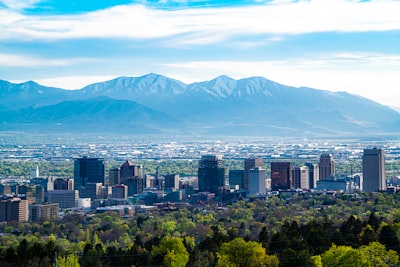
Where luxury buyers choose to live is undergoing a significant shift. The flexibility of remote work has allowed many to prioritize lifestyle and value over proximity to a traditional office. As a result, new destinations for luxury homes are gaining prominence, while some classic markets are experiencing a resurgence.
This trend has led to tremendous growth in several lifestyle-focused cities. These locations offer a high quality of life, favorable climates, and strong local economies, attracting affluent individuals from across the country. Some of the top cities that are becoming luxury hotspots include:
- Austin, Texas
- Miami, Florida
- Salt Lake City, Utah
While these emerging markets are drawing attention, don't count out the traditional hubs of luxury. Re-emerging markets like San Francisco are regaining appeal thanks to new investments and a return to urban living. Meanwhile, iconic areas such as New York and Beverly Hills continue to be desirable, solidifying their status as timeless destinations in the world of luxury real estate.
Conclusion
In conclusion, the luxury housing market is constantly evolving, shaped by a mix of buyer preferences, economic trends, and innovative technologies. As we’ve discussed, factors such as sustainability and location trends play significant roles in determining what luxury homebuyers seek today. Understanding these dynamics not only helps you stay informed but also empowers you to make strategic decisions, whether you're buying or selling. Embracing these trends can enhance your investment strategy and position you better in the competitive luxury real estate landscape. If you’re ready to navigate this exciting market, don’t hesitate to reach out for personalized insights tailored to your needs!