Introduction
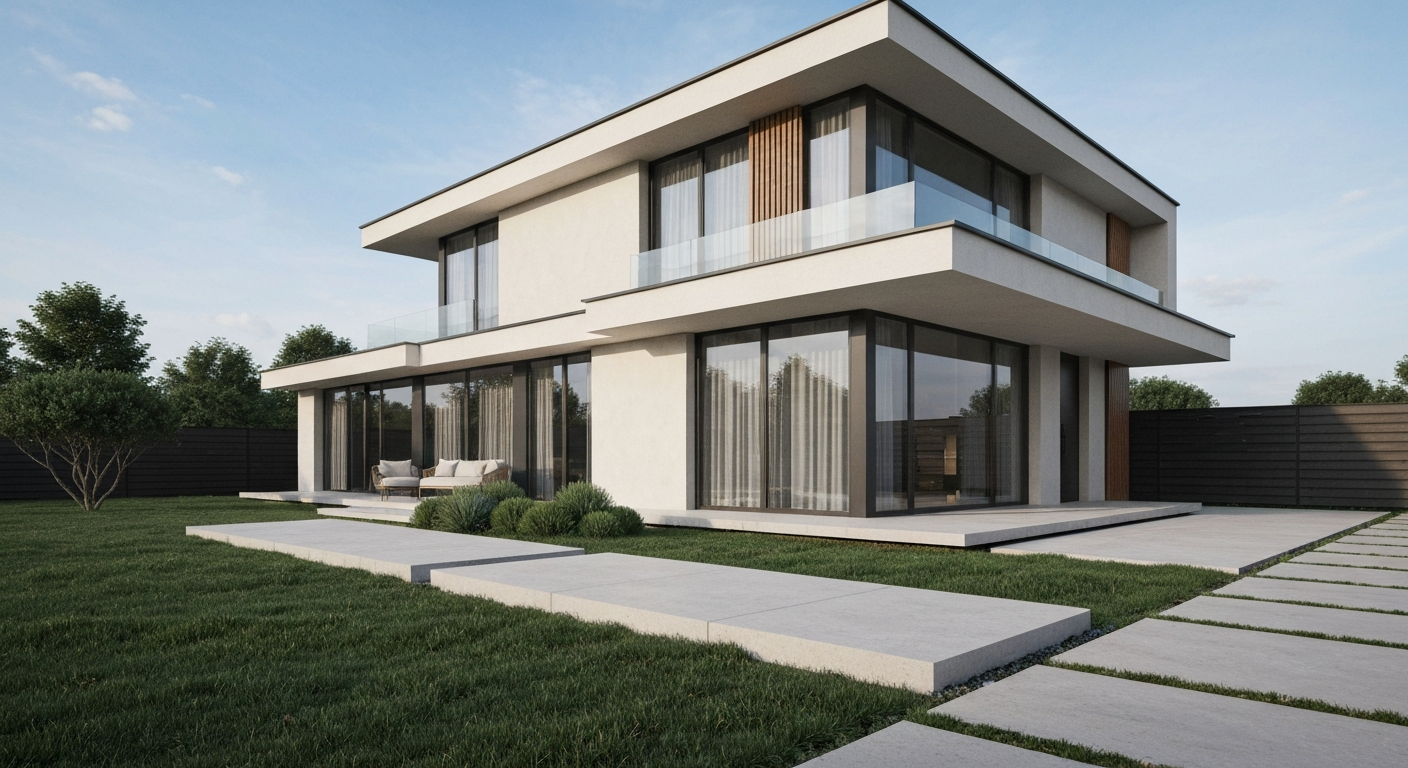
Modern European homes offer a unique blend of Old World charm and contemporary living. Inspired by the rich cultural traditions of countries like France, Italy, and Spain, this style combines historical details with modern layouts. The result is a timeless design that feels both elegant and comfortable. Whether you're drawn to a grand chateau or a simple farmhouse, European interior design provides endless inspiration for creating a home that is sophisticated, functional, and full of character.
Key Features of Modern European Home Design
The essential elements of modern European design focus on simplicity, functionality, and a strong connection to the outdoors. This style is all about creating a bright, airy, and timeless atmosphere in your home. It achieves this through a thoughtful combination of open spaces, abundant natural light, and a minimalist approach to architectural details. These core design elements ensure your space feels both sophisticated and welcoming.
By prioritizing these features, modern European design creates homes that stand the test of time. Instead of relying on heavy ornamentation, the beauty comes from high-quality natural materials and well-planned layouts. It’s a design philosophy that proves less is often more, resulting in a home that is both beautiful and practical for everyday living. Next, we will explore some of these key features in more detail.
Open and Airy Floor Plans
One of the defining characteristics of a modern European style home is its emphasis on open and airy floor plans. These layouts remove unnecessary walls, allowing rooms to flow seamlessly into one another. This creates a sense of spaciousness and an inviting atmosphere that is perfect for both relaxing and entertaining guests.
When choosing a modern European floor plan, consider how you live. Think about the flow between the kitchen, dining area, and living room. A well-designed plan often centers these common areas, sometimes around a focal point like a stone fireplace, to encourage family interaction. This approach helps create a cohesive look and feel throughout the main living space.
The goal is to craft a layout that feels harmonious and balanced without being rigid. By carefully considering the placement of rooms and openings, you can achieve a floor plan that is both functional for your needs and true to the elegant, open nature of European design.
Integration of Natural Light
Maximizing natural light is fundamental to the modern European design approach. This is achieved through the strategic use of large, tall windows and expansive glass doors. These features not only brighten the interior but also help to blur the line between the indoors and outdoors, making your living space feel larger and more connected to nature.
This focus on light creates a bright, open feel that is central to the style's aesthetic. The placement of windows is carefully considered to enhance symmetry and illuminate key areas of the home throughout the day. Sheer curtains are often used instead of heavy drapes to allow sunlight to filter in while still providing privacy.
Even in a small home, you can incorporate this design element. If installing larger windows isn't an option, use mirrors strategically to reflect light and create the illusion of more space. Keeping walls a light, neutral color will also help amplify the natural light you do have, making any room feel brighter and more open.
Minimalist Architectural Detailing
Modern European home design differs from traditional styles by embracing minimalism. While traditional European homes often feature ornate design elements like intricate crown molding, heavy plasterwork, and elaborate details, the modern approach favors clean lines and uncluttered surfaces. This simplicity creates a sense of calm and sophistication.
Instead of ornamentation, visual interest is added through the use of texture, high-quality materials, and subtle architectural features. You might see exposed wooden beams or a simple stone fireplace, which add rustic charm without overwhelming the space. The focus is on the inherent beauty of the materials themselves.
This minimalist philosophy contributes to the timeless beauty of the design. By avoiding trendy or overly decorative elements, the style remains fresh and relevant for years. It's about creating a space that feels intentional and refined, where every element serves a purpose and contributes to a feeling of harmony.
Popular Architectural Elements in Modern European Houses
A hallmark of European design is a unique blend of traditional forms with modern features. Popular architectural elements found in modern European house plans include distinctive rooflines, expansive glass, and sleek, balanced facades. These features are borrowed from various historical styles, such as French Country, Tudor, and Mediterranean, but are reinterpreted with a contemporary twist.
This combination of old and new gives these homes their unique character. You'll find that these elements not only add to the home's aesthetic appeal but also enhance its functionality, from improving weather resistance to increasing natural light. Let’s look at some of these popular architectural elements more closely.
Flat and Sloped Rooflines
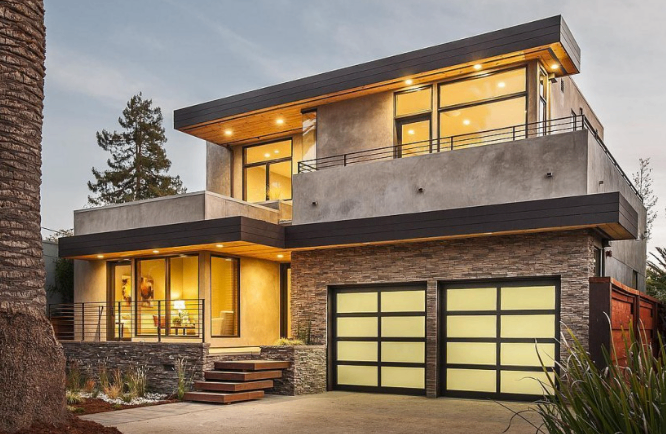
The rooflines of a modern European home play a significant role in its overall look. Many European house plans feature steeply pitched roofs, sometimes with multiple slopes and gables. This design element, borrowed from styles like French Country and Tudor, makes a house look grander and provides better protection from rain and snow.
These steep rooflines add a great deal of visual interest to the home's exterior. Hip roofs, which have four sloping sides, are a common feature. The elevated slope also creates opportunities for features like vaulted ceilings or extra attic space inside. The patterns in the roof design contribute to the home's stately and elegant appearance.
While sloped roofs are common, some modern European designs also incorporate flat rooflines for a more contemporary, minimalist aesthetic. The choice between a flat or sloped roof often depends on the specific regional style you're drawing inspiration from and the overall look you want to achieve for your new home.
Expansive Windows and Doors
Large windows and doors play a significant role in the modern European design approach. Tall, expansive windows are a defining element, often arranged symmetrically to create a balanced and formal facade. This meticulous placement gives even smaller homes a sense of grandeur and thoughtful design.
This emphasis on glass is not just for looks; it's a key part of the strategy to flood the interior with natural light. Large glass doors, such as French doors, are also common, providing seamless access to outdoor spaces like patios or gardens. This creates an inviting atmosphere and strengthens the connection between the indoor and outdoor living areas.
Ultimately, the goal is to make the home feel as open and bright as possible. By prioritizing expansive windows and doors, this design style enhances the feeling of space and ensures that the home is a warm and welcoming retreat.
Sleek Façades and Clean Lines
Sleek facades and clean lines are central to the aesthetic of modern European design. This style avoids unnecessary clutter and ornamentation, focusing instead on strong, simple forms. The exterior of the home often features a balanced and symmetrical layout, which contributes to its elegant and orderly appearance.
Natural materials like stucco, stone, and brick are commonly used to create these sleek facades. Stucco can provide a smooth, soft finish, while stone and brick add texture and warmth. These materials are chosen not only for their durability and timeless beauty but also for their ability to create a clean, sophisticated look.
The emphasis on clean lines extends to every part of the home design, from the shape of the windows to the roofline. This minimalist approach ensures that the architectural design elements speak for themselves, resulting in a home that is both modern and enduringly stylish.
Materials Commonly Used in Modern European Homes
Modern European homes are known for their use of high-quality, natural materials. The material choices emphasize durability, texture, and a connection to the natural environment. You will often find a beautiful mix of stone surfaces, rich hardwood floors, glass panels, and sleek metal accents. These materials are used on both the exterior and interior to create a cohesive and elegant look.
This thoughtful selection of materials adds warmth, character, and a sense of timelessness to the home. Below is a table outlining some of the most common materials and their uses in modern European design.
Material — Common Uses in Modern European Design
- Natural Stone: Exterior facades, interior accent walls, fireplaces, kitchen countertops (marble, quartz, travertine), and flooring (limestone, sandstone).
- Wood: Exposed ceiling beams, hardwood floors, furniture, cabinetry, and exterior accents.
- Glass: Expansive windows, large doors, and interior partitions to enhance natural light and maintain an open feel.
- Metal: Wrought iron for railings and balconies, and sleek modern surfaces like stainless steel or brushed nickel for fixtures and decorative accents.
- Stucco/Plaster: Smooth exterior facades for a clean look, and plaster walls on the interior for a neutral, textured backdrop.
Stone, Wood, and Glass Finishes

The interplay of stone, wood, and glass is at the heart of modern European home design. Natural stone is frequently used to create stunning focal points, such as a grand fireplace in the living room or rugged stone surfaces on an accent wall. Materials like limestone, marble, and travertine bring a sense of history and permanence to the space.
Wood adds warmth and rustic charm. You'll often see rough-hewn exposed beams that create a sense of space, or beautiful hardwood floors that run throughout the home. This use of natural wood connects the interior to the outdoors and adds a layer of organic texture that softens the clean lines of the design.
Glass is used to maintain the open and airy feel of the home. Large windows and glass doors are a given, but glass can also be used for interior partitions or railings. This allows light to travel freely through the space, making it feel larger and more connected while still defining different functional areas.
Sustainable and Eco-friendly Options
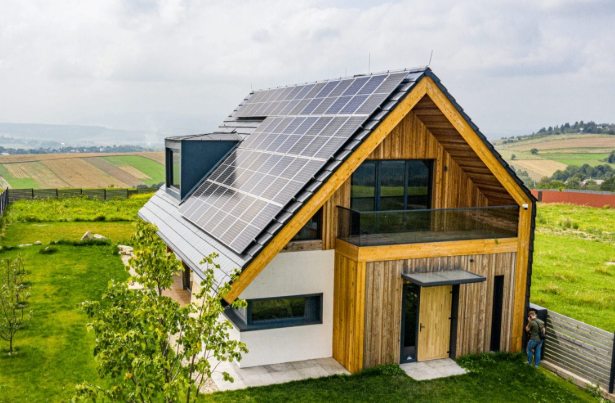
Yes, eco-friendly features are often a natural part of modern European home design. The style's emphasis on durable, natural materials is inherently sustainable. Using locally sourced stone, wood, and bamboo reduces the carbon footprint associated with transportation and supports sustainable practices. These materials are not only long-lasting but also age beautifully, minimizing the need for replacement.
Many aspects of the design contribute to energy efficiency. Large windows are designed to maximize natural light, reducing the need for artificial lighting during the day. When combined with modern, energy-efficient glass, they can also help regulate indoor temperatures. The open floor plans can improve air circulation as well.
The preference for earthy tones and natural finishes also reduces the need for chemical-heavy paints and treatments. By choosing sustainable materials and embracing a design that works with the natural environment, your modern European home can be as eco-friendly as it is beautiful.
Metal Accents and Modern Surfaces
While natural materials form the foundation, metal accents and modern surfaces provide a contemporary edge. Wrought iron is a classic choice, often seen in railings, balconies, and light fixtures, adding a touch of historical elegance. It can feature an old patina, giving it a lived-in charm that contrasts beautifully with the clean lines of the home.
In more modern interpretations, sleek metals like stainless steel, brushed nickel, or even matte black are used for kitchen fixtures, cabinet hardware, and window frames. These modern surfaces provide a crisp, polished finish that complements the rustic textures of wood and stone. They act as subtle decorative elements that enhance the overall design.
These metal accents can also be a way to introduce pops of color or rich hues into an otherwise neutral space. A striking crystal chandelier or a bold, modern light fixture can serve as a stunning focal point, blending luxury with minimalist design.
Interior Design Concepts for a Modern European Home
The best interior design ideas for a modern European home complement its architectural principles of simplicity, light, and elegance. European interior design focuses on creating a living space that is both sophisticated and comfortable. This is achieved through neutral color palettes, carefully selected textures, and functional, streamlined furniture.
The goal is to create a cohesive home design that feels calm, uncluttered, and timeless. By blending different textures and mixing modern pieces with vintage finds, you can create a space that is uniquely yours. The following sections explore how to bring this style to life inside your home.
Neutral Color Palettes and Elegant Textures
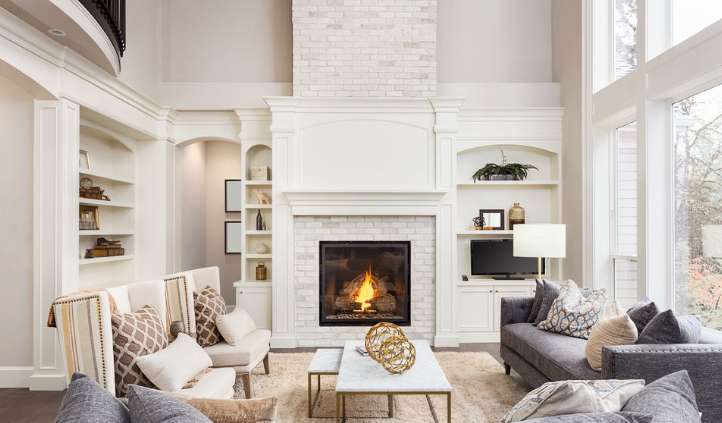
Neutral color palettes are a cornerstone of modern European interiors. Walls are often painted in soft earth tones like white, cream, beige, and grey. These neutral tones create a serene and calming backdrop that makes spaces feel larger and brighter. This warm and welcoming canvas allows furniture and decor to stand out.
To keep the space from feeling flat, a variety of elegant textures are introduced. Think of cozy textiles like knitted throws, faux fur rugs, and linen curtains. Rich fabrics such as velvet or silk might be used for throw pillows or upholstery to add a touch of luxury. These textures add depth and visual interest to the room.
This focus on neutral and earth tones is one of the most enduring interior design trends in this style. It provides the perfect foundation for displaying artwork, quilts, or other decor items. You can easily introduce pops of color through these accessories to add personality without disrupting the peaceful atmosphere.
Functional, Streamlined Furniture Selections
Furniture in a modern European interior is chosen for its simple forms and functionality. Examples that work well include streamlined furniture with clean lines, such as a minimalist sofa, a sleek wooden dining table, or uncluttered shelving units. The idea is to select pieces that are beautiful in their simplicity and do not overwhelm the space.
However, this doesn't mean the style is cold or impersonal. A key aspect is the artful blend of modern and old. You can incorporate antique furniture or vintage pieces to add history and character. A distressed wooden chest, a single ornate chair, or a piece of wrought iron can serve as beautiful focal points and show off your personal style.
The key is balance. The space should feel lived-in and comfortable, not like a sterile showroom. By carefully selecting a few well-made pieces, both new and old, you create an inviting environment that feels curated over time. This mix of elegant and distressed charm is what gives the style its unique sophistication.
Conclusion
In conclusion, embracing the beauty of modern European home design can transform your living space into a sanctuary of style and comfort. With its emphasis on open floor plans, natural light, and minimalist detailing, this design aesthetic not only enhances the visual appeal of your home but also promotes a sense of tranquility. By incorporating popular architectural elements and sustainable materials, you can create a harmonious balance between elegance and functionality. Whether you're considering a renovation or starting from scratch, integrating these concepts can lead to a stunning transformation. If you're ready to explore how these design principles can work for your space, don't hesitate to reach out for expert guidance!