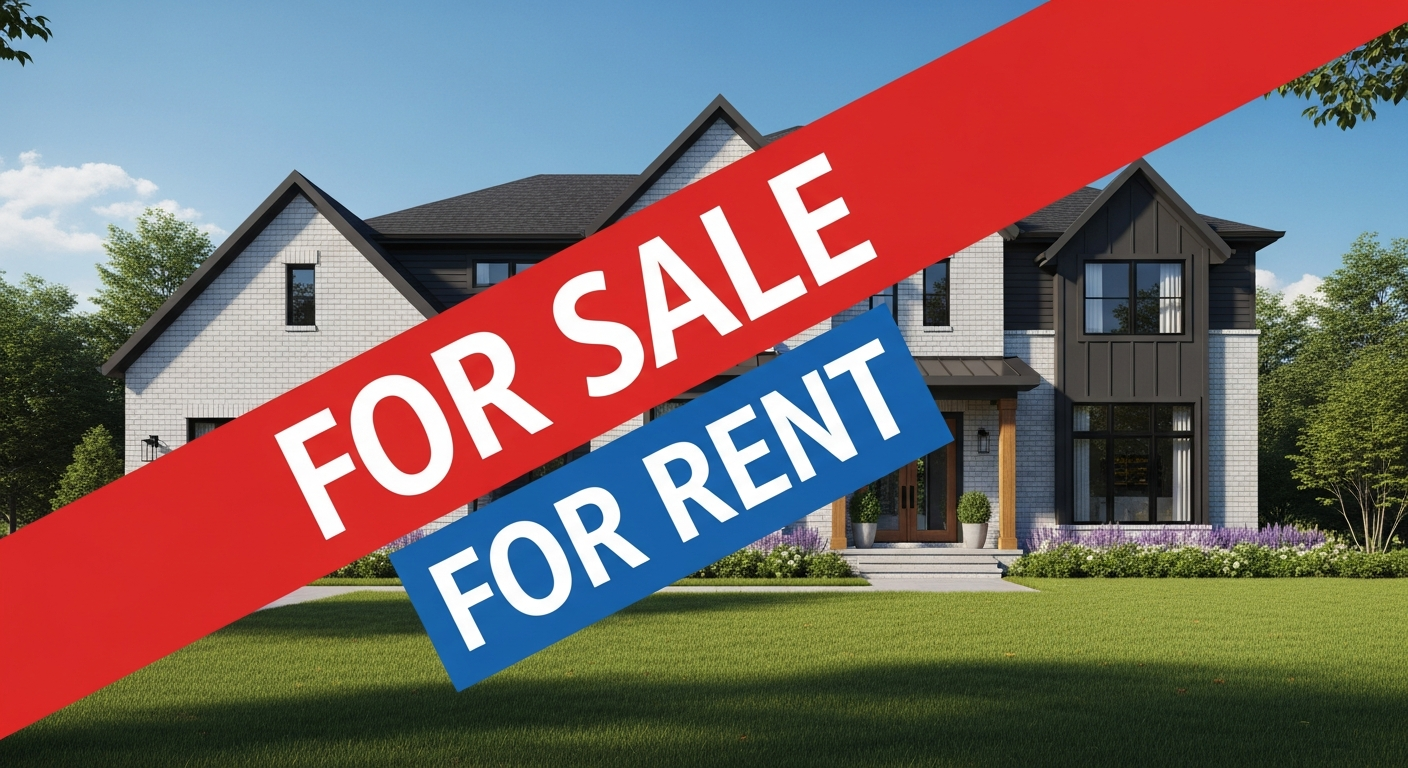
Key Highlights
- Renting out a house while it's for sale can provide rental income to cover expenses.
- This dual-listing strategy involves navigating both the real estate and rental markets simultaneously.
- Legal considerations, including the lease agreement and disclosure laws, are crucial for a smooth property sale.
- Managing property showings and tenant communication requires careful planning and good property management.
- The decision to rent or sell affects your financial goals, cash flow, and long-term property appreciation.
- Using a rent vs. sell calculator can help you make an informed decision based on your unique situation.
Introduction
Are you a homeowner wondering if you can rent out your property while trying to sell it? This is a common question in the real estate world. Juggling a property sale while generating rental income can be a smart financial move, but it requires careful planning. This guide will walk you through the possibilities and challenges of listing your house for both rent and sale. Understanding the process can help you make an informed decision that aligns with your financial goals.
Understanding Dual Listing: Renting and Selling a House Simultaneously
Yes, you can absolutely rent out your house while it's listed for sale. This practice, often called dual listing, allows a property owner to explore two different avenues at once. It’s a strategy used in real estate to maximize a property's potential by appealing to both renters and buyers.
This approach is perfectly legal, provided you follow the correct procedures. It's an attractive option when the rental market has high rental demand, ensuring you have income while you wait for the right buyer. Proper property management is key to balancing the needs of tenants with the requirements of a property sale. Let's look at the specific strategies and common situations where this makes sense.
Overview of Dual Listing Strategies
When you decide to market your property for rent and sale simultaneously, you open up more possibilities. A person can indeed offer to rent a house that is currently for sale, and as the property owner, you can decide which offer best suits your needs. Effective marketing is essential to attract both potential renters and buyers.
Your strategy might depend on your immediate financial needs and long-term goals. For instance, you could prioritize finding a tenant to secure rental income quickly while continuing to show the home to prospective buyers. This ensures your mortgage is covered while you wait for the sale.
Here are a few common strategies:
- Rent-to-Own: A tenant signs a lease with an option to buy the property later.
- Month-to-Month Lease: Offers flexibility, allowing you to end the tenancy with proper notice once a buyer is found.
- Fixed-Term Lease: A tenant signs a lease for a specific period, and the new owner inherits the tenancy.
Common Scenarios When Owners Choose Both Options
Homeowners often find themselves in situations where listing for both rent and sale is the most practical choice. For example, if you've already moved to a new home, renting out your old one can prevent it from sitting vacant while generating income to cover the mortgage. This is especially beneficial in a slow sales market.
Consulting with a real estate agent or property manager can help you assess the local rental market. If rental properties are in high demand, you might find a tenant faster than a buyer, easing your financial burden. They can also help you understand the pros and cons based on your property's condition and location.
Consider these common scenarios:
- Slow Sales Market: When homes are taking a long time to sell, renting provides income.
- Need for Immediate Cash Flow: Rent covers mortgage payments and other costs.
- Uncertainty About Selling: Renting keeps your options open if you're not fully committed to selling.
Legal Aspects of Renting Out a House That’s for Sale in the United States
It is completely legal to have a house listed for both rent and sale, but you must adhere to specific laws. Both federal law and state law govern landlord-tenant relationships and property sales. Failing to comply with these regulations can lead to significant legal issues.
A critical component is your lease agreement, which should clearly outline the terms of the tenancy, especially concerning the property sale. Disclosure requirements are also important; you must be transparent with potential tenants about your intent to sell. Understanding these legalities from the start will ensure a smoother process for everyone involved.
Federal and State Laws Governing Dual Listings
While federal laws like the Fair Housing Act apply to all rental properties, most landlord-tenant regulations are determined at the state and local levels. These laws dictate the legal requirements for everything from security deposits to eviction procedures. It's crucial to understand the specific state law that applies to your property.
When you list a property for both rent and sale, your lease agreement becomes your most important legal tool. This document must comply with all applicable laws and clearly state the conditions of the tenancy, including how property showings will be handled. Any clauses related to the sale must be fair and transparent.
For example, your state might have specific rules about how much notice you must give a tenant before a showing. Being aware of these details protects you from potential disputes and ensures you're operating within the law. This also applies to property taxes and how they are handled during the transition.
Lease Agreements and Disclosure Requirements
Renting to tenants while selling introduces complexities, and a well-drafted lease agreement is your best defense against legal issues. The lease must include a clause that discloses your intent to sell the property. This transparency is a key disclosure requirement and manages tenant expectations from the beginning.
This clause should detail procedures for showings, inspections, and appraisals, specifying how and when you will provide proper notice. It should also explain what happens to the lease and the tenant’s security deposit if the property is sold. Clearly outlining these terms helps prevent conflicts with your tenant down the road.
Managing these elements correctly is vital. For instance, the lease should state that the tenancy will transfer to the new owner or specify the terms for lease termination upon sale, if legally permissible in your state. This ensures a smooth transition and protects the rights of all parties involved.
Practical Considerations Before Renting a House Listed for Sale
Before you decide to turn a house listed for sale into a rental property, there are several practical factors to weigh. You'll need to assess the local rental market to determine if there's enough demand to find a tenant quickly. A property manager can offer valuable insights into rental rates and what tenants are looking for.
This decision also impacts how you market and show the property. A tenanted home presents differently than a vacant or owner-occupied one. You must consider how a renter's presence will affect potential buyers' impressions and the logistics of scheduling visits. The following points will help you prepare for these challenges.
Impact on Property Showings and Marketing
Renting to tenants directly affects how you conduct property showings. Unlike a vacant home, you can't schedule last-minute viewings. You must coordinate with your tenants and provide them with reasonable notice as required by law, which can make scheduling more difficult for your real estate agent.
The condition of the property during showings is also a factor. While you can request that tenants keep the home tidy, you have less control than if the home were vacant. A cluttered or messy space can deter potential buyers. As the property owner, it's important to build a good relationship with your tenants to encourage their cooperation.
Here’s how tenants can affect the sales process:
- Limited Availability: Showings must be scheduled around the tenant's schedule.
- Property Condition: The home's cleanliness and presentation depend on the tenant.
- Buyer Perception: Some buyers may be hesitant to purchase a tenant-occupied property.
- Cooperation: A cooperative tenant can make the process smoother, while an uncooperative one can hinder it.
Preparing Your Property for Both Renters and Buyers
To attract both renters and buyers, your property must be in excellent condition. This means addressing any necessary repairs and considering minor renovations to boost its appeal. As the property owner, you are responsible for maintenance costs, which you should factor into your budget.
A clear rental agreement is essential. It should outline the tenant's responsibilities for maintaining the property's cleanliness, especially for showings. Some landlords offer incentives, like a small rent reduction, to encourage tenants to keep the home show-ready. This can be a worthwhile investment for a quicker sale.
Hiring a property management company can also be a wise move, especially for rental properties. They can handle tenant communication and coordinate maintenance, freeing you up to focus on the sale.
- Repairs and Upgrades: Fix any issues and make cosmetic improvements.
- Clear Expectations: Set standards for cleanliness in the rental agreement.
- Professional Management: Consider a property management company to handle logistics.
How Tenant-Occupied Sales Work: Navigating the Process
A tenant-occupied property sale means you are selling a home that currently has a renter living in it. The process is governed by existing lease terms and tenant rights laws. In most cases, the lease agreement transfers to the new owner, who becomes the new landlord.
Navigating this process requires clear communication with your tenant from the very beginning. You must respect their right to quiet enjoyment of the property while also facilitating the property sale. Working with a property management company can help ensure all legal and practical steps are handled correctly, making the transition smoother for you, the tenant, and the buyer.
Managing Lease Terms During a Sale
When selling a tenant-occupied property, the existing lease agreement is central to the process. If the tenant is on a fixed-term lease, the new owner typically must honor the lease until it expires. The tenant’s security deposit must also be transferred to the new owner at the close of the property sale.
Month-to-month leases offer more flexibility. Depending on state and local laws, you or the new owner may be able to terminate the lease with proper notice, which is usually 30 to 60 days. It's essential to include a "sale of property" clause in your lease agreement from the start to define these terms clearly.
This clause outlines everyone's rights and responsibilities during the sale. Here’s a look at what it should cover:
Aspect of Sale / Provision in Lease Agreement
Showings
Specifies the required notice period (e.g., 24 hours) and reasonable times for showings.
Lease Transfer
States that the lease agreement will be transferred to and honored by the new property owner.
Lease Termination
Outlines conditions under which the lease can be terminated upon sale, if legally permissible.
Security Deposit
Confirms the tenant's security deposit will be transferred from the seller to the buyer upon closing.
Communicating With Tenants About Sale Plans
Open and honest communication is the key to successfully selling a property with tenants. As the property owner, you should inform your tenants of your intention to sell as soon as you decide. This transparency helps build trust and encourages their cooperation throughout the process.
Your real estate agent should also be skilled in dealing with tenant-occupied properties. They will need to coordinate with the tenant for all showings, always providing reasonable notice as specified in the lease agreement and by law. Respecting tenant rights, such as their right to privacy and quiet enjoyment, is not just a courtesy—it's a legal requirement.
A positive relationship with your tenant can make a huge difference. Consider these communication tips:
- Inform Early: Let tenants know your plans before the "For Sale" sign goes up.
- Be Flexible: Work with tenants to find convenient times for showings.
- Offer Incentives: Consider a rent discount or gift card to thank them for their cooperation.
Pros and Cons of Renting Versus Selling While Marketing
Deciding whether to rent or sell involves weighing the immediate benefits against the long-term implications. Renting provides steady rental income and cash flow, which can be a lifeline if you need to cover mortgage payments. It also allows you to hold onto the asset and benefit from future property appreciation, turning your home into an investment property.
On the other hand, selling provides a lump-sum payment that you can use for other financial goals. The best choice depends on the current real estate market, your personal finances, and your long-term plans. Let's explore the specific financial advantages and disadvantages of each path.
Financial Advantages and Disadvantages
The primary financial advantage of renting is the immediate and consistent cash flow. This rental income can cover your mortgage payments, property taxes, and insurance, preventing you from paying for two homes at once. However, you'll also be responsible for ongoing maintenance costs, which can eat into your profits.
Selling, in contrast, offers a large, one-time payout. This can be appealing if you need a significant amount of cash for another investment or to pay off debt. Keep in mind that selling may trigger capital gains taxes on your profit. The final sale price, after deducting closing costs and any outstanding mortgage, determines your net proceeds.
Ultimately, your decision should be based on a careful financial analysis.
- Renting Pro: Steady rental income helps with cash flow.
- Renting Con: You are responsible for maintenance and repair costs.
- Selling Pro: You receive a large lump-sum payment.
- Selling Con: You may have to pay capital gains taxes.
Long-Term Implications for Homeowners
The decision to rent or sell has significant long-term consequences that align with your financial goals. By renting, you retain ownership of the property, allowing you to benefit from potential property appreciation over time. This can turn your former primary residence into a valuable investment property that generates passive income for years to come.
However, being a landlord is a long-term commitment. It involves ongoing management, dealing with tenants, and handling unexpected expenses. If your goal is to simplify your finances and move on, selling might be the better choice. It provides a clean break and frees up your capital for other ventures.
Consider these long-term factors:
- Wealth Building: Renting allows you to build equity and benefit from appreciation.
- Management Responsibility: Being a landlord requires time and effort, unless you hire a manager.
- Flexibility: Selling provides immediate liquidity and freedom from property ownership duties.
Conclusion
In conclusion, renting out a house while it's on the market can provide flexibility and financial benefits for homeowners navigating the real estate landscape. Understanding dual listing strategies, legal implications, and practical considerations is crucial to successfully managing this process. By preparing your property for both potential renters and buyers, you can maximize your chances of a favorable outcome. As you weigh the pros and cons of this approach, remember that clear communication with all parties involved will play a significant role in your success. If you're ready to explore your options further, reach out for guidance tailored to your specific situation.
Frequently Asked Questions
Can I market my property for rent and sale at the same time?
Yes, you can market your property for both rent and sale simultaneously. This dual-listing strategy in real estate allows you to generate rental income while you search for a buyer. It's a common approach for rental properties, especially in a slow property sale market, to ensure you have cash flow.
How does renting to tenants affect selling my house?
Renting to tenants affects selling by adding coordination challenges for showings and ensuring the property is well-maintained. A solid lease agreement is crucial. Some potential buyers are looking for an investment and welcome tenants, while others may be deterred, making communication between the property owner and real estate agent vital.
Are there tools to help me decide between renting and selling?
Yes, there are online tools available to help you decide. A rent vs. sell calculator can analyze your numbers, including mortgage, potential rent, and sale price, to project your financial outcomes. As a property owner, using these tools can help you align your choice with your long-term financial goals.