Key Highlights
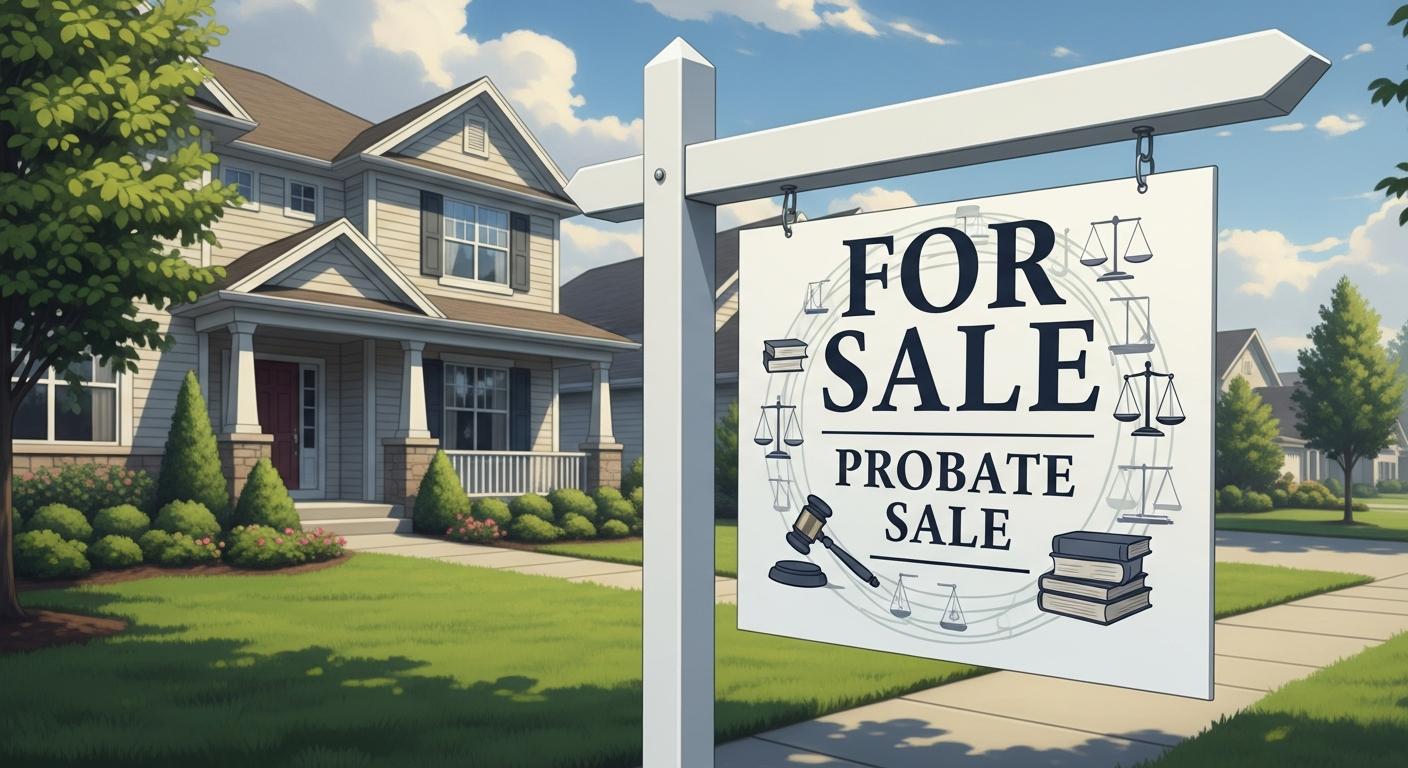
- A probate sale happens when a property is sold through a legal process after the owner's death, often overseen by a court.
- The sale process for probate real estate involves court approval and can be more complex than a standard transaction.
- These properties are frequently sold below market value but are typically offered "as-is," meaning buyers are responsible for all repairs.
- Working with a real estate agent and a probate attorney experienced in this area is highly recommended.
- The sale requires court confirmation, and the timeline can be much longer than for a traditional home purchase.
Introduction
Have you ever come across a property listing described as a "probate sale"? This term refers to a specific type of real estate transaction that occurs after a homeowner passes away. The sale of these probate properties is managed through a legal process called probate. For potential buyers, this can be an opportunity to find a home at a great price, but it also comes with a unique set of rules and timelines. This guide will walk you through everything you need to know about navigating the world of probate real estate.
What Is Probate Real Estate?
Probate real estate refers to a property that must go through the court-supervised probate process after the owner has passed away. This legal procedure ensures that the deceased person's debts are paid and their assets, including real estate, are distributed correctly.
When a home is part of an estate in probate, the probate court oversees the sale of the property. This is often done to liquidate assets to pay off creditors or to divide the proceeds among heirs. How this affects the sale is that the court has the final say, adding extra steps and oversight compared to a typical transaction.
Definition and Key Concepts of Probate Sales
A probate sale is the sale of real estate from the estate of a deceased person. The probate court appoints a personal representative, also known as an executor or administrator, who is given the legal right to manage the sale process. This individual works to settle the deceased's affairs, and selling probate properties is often a necessary step.
The key concept to understand is the level of court involvement. Every major step, from listing the property to accepting an offer, often requires court approval. A probate attorney is usually involved to ensure all legal requirements are met. This oversight is designed to protect the interests of the estate, its creditors, and its beneficiaries.
Ultimately, the court's goal is to ensure a fair transaction. This means the final sale price must be confirmed by the court, and the transfer of ownership rights can only happen after all legal procedures are complete. This structured process can make probate sales different from what many buyers are used to.
How Probate Affects Real Estate Transactions
The probate process significantly impacts real estate transactions by adding layers of legal requirements and court oversight. Unlike a standard sale where two parties agree on terms, a probate sale requires court approval at several stages, which can extend the timeline considerably. The sale price itself might be influenced by the need to liquidate assets quickly to pay debts.
When a real property is tied up in probate, a personal representative is appointed to manage its sale. Their actions are supervised by the court to ensure the property is sold at a fair market value. This legal process is in place to properly manage the remaining assets of the deceased person's estate.
For potential buyers, this means the transaction is less flexible. Negotiations are more formal, and there's a chance of being outbid even after an offer is initially accepted, especially if a court-supervised auction is required. Patience and a clear understanding of the legal process are essential for anyone looking to purchase a probate property.
The Probate Real Estate Sale Process in the United States
Navigating the probate real estate sale process in the U.S. involves a series of structured legal steps overseen by a probate court. The court appoints a personal representative to handle the estate, and this person is responsible for initiating the sale process. This legal process ensures that the property is sold fairly and the proceeds are used to settle the estate's debts and distribute any remaining funds to the heirs.
A probate attorney often guides the personal representative through these complexities, ensuring all actions comply with state laws. From getting the property appraised to listing it and finally seeking court approval for the sale, each phase is carefully managed. Let's explore the initial legal steps and the role of court involvement in more detail.
Initial Legal Steps After the Owner’s Passing
Following an owner's death, the probate process begins with filing a petition in probate court. If there is a will, it is submitted to the court, which then validates it and appoints an executor as named in the document. If there is no will, the court appoints an administrator to manage the estate.
A probate attorney is crucial at this stage, helping the representative navigate the legal process. The attorney ensures all required documents are filed correctly and advises on the next steps, which often include the sale of the property to cover debts or distribute assets according to the terms of the will or state law. Key early actions include:
- Identifying all creditors and notifying them of the owner's passing.
- Getting the property appraised to establish its market value.
- Preparing the property for sale.
Once these initial steps are handled, the personal representative can petition the court for permission to list the property. This leads to a court hearing where a judge grants the authority to proceed with the sale, setting the stage for finding a buyer.
Court Involvement and Approvals During Sale
Court involvement is a defining feature of the probate sale process. After an offer is accepted by the personal representative, it is still contingent on court approval. This means the offer is submitted to the probate court for review and final confirmation, a step that doesn't exist in traditional real estate deals.
The court's primary role is to ensure the sale is in the best interest of the estate. A court hearing is scheduled where the proposed sale is presented. At this hearing, other interested buyers may have the opportunity to overbid the original offer in a process that resembles a public auction. This is done to maximize the sale price for the estate.
If there are no overbids, or once the highest bid is determined, the judge will issue a court confirmation of the sale. This legal process finalizes the transaction, giving the personal representative the authority to complete the sale and transfer the property title to the new owner. Without this final court order, the sale cannot be legally completed.
Probate Real Estate Sales in California
In California, probate real estate sales are governed by a specific set of state laws that add unique steps to the process. While the core probate process is similar to other states, California has distinct legal requirements, particularly concerning court confirmation and disclosure laws. A probate attorney familiar with the California Probate Code is essential for navigating these rules.
The level of court supervision can vary depending on whether the estate's representative is granted "full authority" or "limited authority" under the Independent Administration of Estates Act (IAEA). This distinction significantly impacts the sale's complexity and timeline. Below, we'll look at California's unique legal requirements and how they differ from other states.
Unique Legal Requirements and Disclosure Laws
California has some of the most specific legal requirements for probate sales in the country. One key area is its disclosure laws. In a standard real estate transaction, sellers must provide a detailed Transfer Disclosure Statement (TDS). However, in the sale of the probate, the personal representative is often exempt from providing a TDS.
Despite this exemption, the representative is still required by state law to disclose any known material facts about the property using an Exempt Seller Disclosure form. This creates a confusing landscape for both buyers and sellers, making the guidance of a knowledgeable real estate agent or probate attorney invaluable.
These rules aim to balance protecting buyers with acknowledging that the personal representative may not have lived in the property and may not know its full history. Navigating the sale process successfully in California means carefully adhering to these specific disclosure requirements as mandated by the probate court and state law.
Differences Between California and Other States’ Probate Sales
While the fundamental probate process is similar nationwide, California's approach has distinct differences compared to many other states. A major distinction is the Independent Administration of Estates Act (IAEA), which allows a personal representative with "full authority" to sell property with less court supervision, similar to a traditional process. In many other states, nearly every probate sale requires extensive court approval regardless of the representative's authority.
Another key difference lies in the overbidding process during the court confirmation hearing. California has a formulaic approach to overbids, requiring the first overbid to be a specific percentage above the original offer. This is not a universal practice. The guidance of a probate attorney is critical to understand these state-law nuances.
The following highlights some general differences:
Feature, California Probate Sales & Probate Sales in Many Other States
Court Supervision
Can be minimal with IAEA "full authority"
Often requires constant court approval
Overbid Process
Formal, structured overbid process at court hearing
Varies greatly; may be less formal or not applicable
Disclosure Rules
Specific exemptions and forms (e.g., Exempt Seller Disclosure)
Disclosure requirements vary widely by state law
Deposit Requirement
Often requires a 10% deposit to bid at the court auction
Deposit amounts can be more flexible
Comparing Probate Sales to Standard Real Estate Transactions
When you compare a probate sale to a traditional home sale, the differences become clear very quickly. While both involve real estate transactions, the legal process for a probate sale is far more structured and lengthy due to court approval requirements. In a standard sale, the buyer and seller have the freedom to negotiate terms, conditions, and timelines directly.
In a probate sale, the court has the final say on the sale price and terms, which can limit flexibility. A real estate agent experienced in probate can help you manage these differences, but it is important to be prepared for a less conventional journey. Let's examine the specific terms and conditions, as well as the unique nature of "as-is" sales.
Terms, Conditions, and Typical Timelines
The terms and conditions of a probate sale are much more rigid than those in a traditional home sale. The sale price is often determined by an appraisal and must be approved by the court, typically needing to be at least 90% of the appraised market value. Contingencies, such as those for financing or inspections, are often not allowed.
A major difference is the timeline. While a traditional sale process might close in 30-60 days, a probate sale can take a year or longer. This is because the sale of the property cannot be finalized without court confirmation, which involves scheduling hearings and adhering to legal notice periods. This is far from a timely process compared to a standard transaction.
The final sale price can also change unexpectedly. Even after an offer is accepted, it is subject to overbidding at the court confirmation hearing. This means the price you agreed upon might not be the final price, adding a layer of uncertainty that doesn't exist in a traditional sale.
“As-Is” Property Sales and Buyer Due Diligence
One of the most significant aspects of probate property sales is that they are almost always "as-is." This means the seller (the estate) will make no repairs or offer any warranties about the property's condition. What you see is what you get, and any issues discovered after the sale of the property are the buyer's responsibility.
Because of the "as-is" sale nature, buyer due diligence is absolutely critical. Potential buyers should invest in a thorough home inspection to understand the full extent of any needed repairs. This helps you make an informed offer and budget for future costs, even though you can't ask the seller to fix anything.
A good real estate agent can help you assess whether the property is a good investment despite its condition. While you may get a price below fair market value, the cost of repairs could offset those savings. Thoroughly investigating the property is the best way to protect yourself in these types of property sales.
How Homebuyers Can Approach a Probate Sale
For home buyers willing to navigate a more complex sale process, a probate sale can be a rewarding opportunity. The key is to be prepared for a longer timeline and the unique rules set by the probate court. As a potential buyer, your first step is to find a real estate agent who specializes in probate properties. Their expertise is invaluable.
Approaching a probate sale requires patience and a solid financial position, as you'll likely need a significant deposit. The potential to get a property at a competitive sale price is high, but you need to understand the bidding process and court approval requirements. Let’s explore how to find these listings and make a successful offer.
Finding Probate Property Listings
Finding probate homes for sale requires a bit more digging than searching for standard property listings. While some probate properties are listed on major real estate websites, many are found through more specialized channels. Working with a real estate broker who has experience in this niche is one of the most effective methods.
Another great way to find these opportunities is by networking with professionals in the field. A probate attorney often has information about estates that will be selling property. Additionally, you can monitor public records and local newspapers, as notices of probate sales and public auction events are often published there.
Here are a few common places to look for probate properties:
- Online real estate listing sites (use keywords like "probate" or "subject to court approval").
- Websites for auction companies that handle estate sales.
- County court websites or public notices sections of newspapers.
Making Offers and Navigating the Bidding Process
Making an offer on a probate property follows a unique legal process. Once your initial offer is accepted by the estate's representative, it's not the final step. The offer is conditional upon court confirmation. A court date is set, and your offer is presented to a judge.
This is where the bid process can get competitive. At the court hearing, other potential buyers have the chance to submit a higher bid. If someone outbids you, you may have the opportunity to increase your offer. This continues until the highest bid is determined. The court then confirms the final bid, making it legally binding.
Navigating this process can be stressful, which is why having an experienced real estate agent is so important. They can prepare you for the court hearing, advise you on bidding strategy, and ensure your offer complies with all requirements. Be prepared with a cashier's check for the required deposit, which is often 10% of the sale price.
Common Issues and Challenges in Probate Real Estate Sales
While probate sales can offer a great deal, they are not without challenges. The most common issue is the potential for significant delays. The sale process is tied to the court's schedule and legal requirements, which can stretch the timeline from months to over a year. Family disputes over ownership rights or the terms of a will can also halt the sale unexpectedly. Furthermore, uncovering outstanding debts tied to the property can complicate the closing process.
These sales can be particularly tricky for buyers with tight deadlines. The need for court approval at multiple stages means there is always a degree of uncertainty. For those looking for an investment property, these delays might be manageable, but for a family needing a home quickly, the wait can be a major drawback. Understanding these potential hurdles is key to deciding if a probate sale is right for you. We will now look at financing, competition, and other common challenges.
Financing, Competition, and Potential Delays
Securing financing for a probate sale can be challenging. Because of the long and uncertain timeline, many lenders are hesitant to lock in an interest rate. The "as-is" condition of the property can also be a red flag for lenders, who may be unwilling to finance a home in need of major repairs. Buyers often find that cash offers are more competitive.
Competition is another significant hurdle. While the pool of buyers may be smaller, you're often competing with seasoned investors. The court confirmation hearing can turn into a bidding war, driving the sale price up and potentially beyond what you initially offered. This unpredictability makes it hard to budget effectively.
Finally, potential delays are a constant risk throughout the legal process. A court hearing could be postponed, or a previously unknown heir could emerge and contest the sale. Every step, from the initial offer to the final court confirmation, is subject to the slow-moving wheels of the judicial system, requiring immense patience from the buyer.
Frequently Asked Questions (FAQ)
Curious about the probate process? Many often wonder how long the length of the probate process can take or what the role of a probate attorney involves. Questions about court approval for sales or the transfer of property rights are common, too. Prospective home buyers may ask about the fair market value of probate properties or the necessary legal requirements for making an offer. Remember, understanding these elements can help ease the sale process and ensure all parties are informed.
Who can buy a probate property in the US?
Generally, any interested parties can buy a probate property in the U.S. There are usually no restrictions on who has the legal right to become a potential buyer. The sale is often open to the public, especially if it proceeds to a public auction, allowing individual home buyers and investors alike to participate.
What are the most important steps in buying probate real estate?
The most important steps in the probate process include finding a real estate agent with probate experience, securing financing (preferably cash), performing thorough due diligence on the property's condition, making a strong offer, and being prepared for the court approval and potential overbidding process. Working with a probate attorney is also highly recommended.
What legal documents are required for a probate real estate sale?
Key legal documents for the sale of the property include the court order appointing the administrator of the estate, the signed purchase agreement, and the final order from the probate court granting court approval of the sale. Additional disclosures and reports may also be required depending on state law.
Conclusion
In conclusion, understanding probate real estate sales is crucial for both buyers and sellers navigating this unique market. By familiarizing yourself with the probate process, legal requirements, and potential challenges, you can approach these transactions with confidence. Whether you're looking to buy a property or sell one in probate, having the right knowledge can make all the difference. Always remember that patience and diligence are key, as the process may involve unexpected hurdles. If you're ready to take the next step or have further questions, feel free to reach out for a free consultation to ensure you have the best support available.