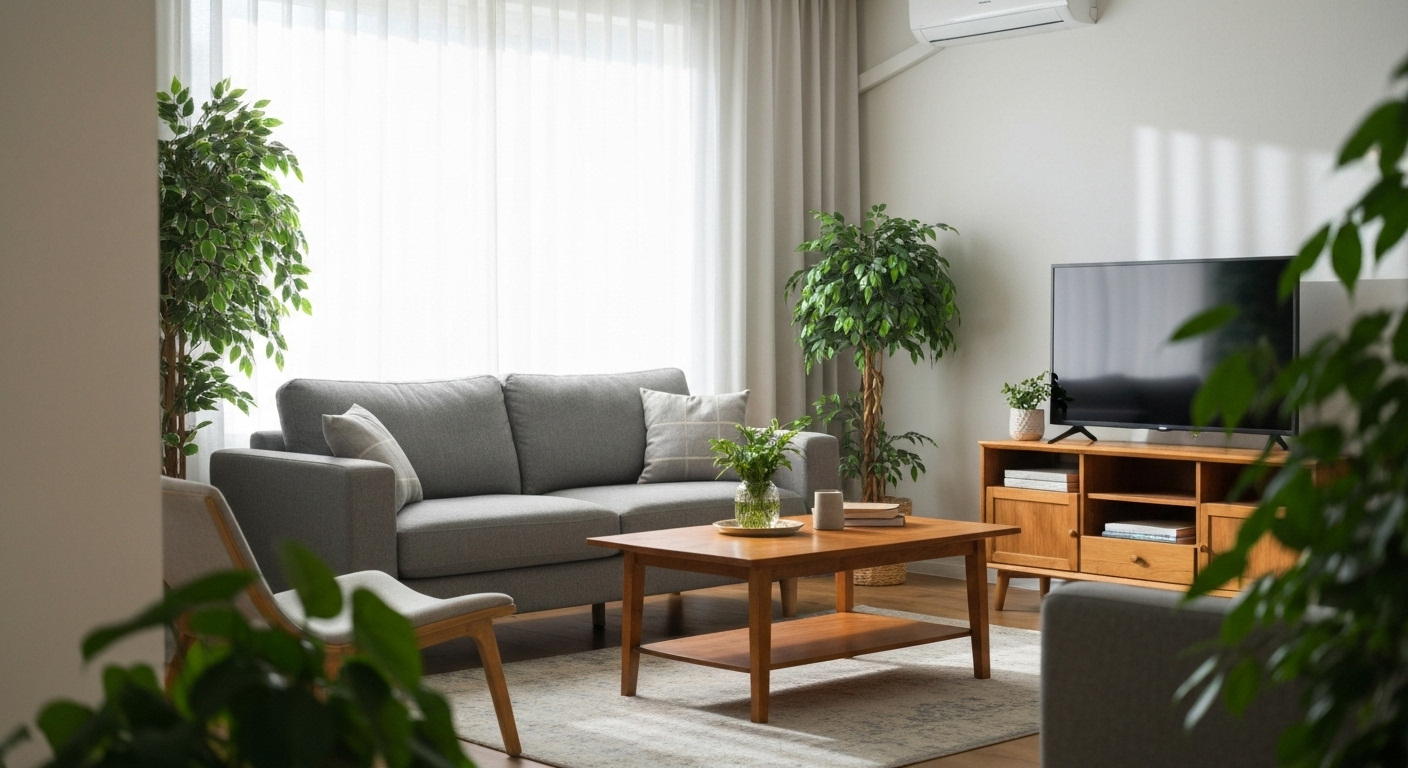
Key Highlights
- Embrace the ancient principles of feng shui to bring balance and harmony into your home.
- Learn how feng shui design optimizes "Chi" for a positive energy flow in your living spaces.
- Discover the five elements—wood, fire, earth, metal, and water—and how to use them in your decor.
- Get practical tips for arranging your living room furniture to encourage communication and good energy.
- Incorporate the wood element with plants and furniture to promote growth and creativity.
- Decluttering is a key rule to prevent stagnant energy and improve your home's aesthetic.
Introduction
Are you looking for a way to create a more balanced and serene home? Feng shui interior design might be the answer. This practice draws from the ancient wisdom of feng shui to transform your living spaces. By applying these time-tested principles, you can create a harmonious space that not only looks beautiful but also promotes well-being and positive energy. Let’s explore how you can use this philosophy to improve your home and life.
Core Principles of Feng Shui Interior Design
The heart of feng shui is the concept of "Chi," or the vital life force that flows through all things. The main goal of the principles of feng shui is to optimize this flow of energy within your environment. By arranging your home according to feng shui rules, you can ensure a free and balanced energy flow, which is believed to enhance different aspects of your life.
For beginners, a great starting point is to focus on decluttering and improving the natural light in your home. These simple changes can dramatically improve the energy flow. As you get more comfortable, you can begin to incorporate the five elements and use tools like the Bagua map to guide your design choices.
Understanding Chi and Energy Flow in Your Home
In feng shui, Chi is the life force that permeates every aspect of existence. This energy can be either positive ("Sheng Chi") or negative ("Sha Chi"). Positive energy is vibrant and flowing, associated with health, well-being, and prosperity. You want to encourage this type of energy throughout your living space to create a supportive and uplifting atmosphere.
Conversely, negative energy is stagnant, blocked, or chaotic. It can lead to feelings of discomfort and misfortune. The primary goal of feng shui is to maximize the positive energy flow while minimizing or redirecting the negative. This is achieved by carefully arranging your home and the objects within it. You can think of your home's layout as an energy map guiding the flow of chi.
To improve energy flow, start by decluttering to remove blockages. Ensure there are clear pathways through your rooms. Opening windows to let in fresh air also helps to clear out stagnant energy and invigorate your home.
The Role of Balance and Harmony in Feng Shui Interiors
Creating balance and harmony is fundamental to feng shui. When your environment is balanced, it promotes a sense of tranquility and well-being. This isn't just about visual aesthetics; it's about how the space makes you feel. A harmonious space supports your physical, emotional, and spiritual needs.
Applying feng shui principles helps you achieve this balance. For example, arranging your furniture to create a sense of security, such as placing your sofa against a solid wall, can make a room feel more restful. The goal is to create an environment where you feel safe, supported, and at peace.
One timeless tip that works for any interior style is to mindfully incorporate natural elements. Regardless of whether your home is modern or traditional, adding plants, using natural materials like wood, and maximizing natural light brings a calming, grounding energy into your home. This connection to nature is a key part of creating a harmonious space.
The Five Elements: Foundation of Feng Shui Home Interiors
At the core of feng shui are the five elements: wood, fire, earth, metal, and water. Each of these feng shui elements represents different qualities and energies. To create a truly balanced and fulfilling life, your home's decor should include a harmonious blend of all five. This balance is what transforms a house into a sanctuary.
For example, in your living room, you can introduce the wood element through furniture, the fire element with candles or warm lighting, the earth element with ceramic pots, the metal element with a sleek frame, and the water element with a mirror. Let's look at each of these design elements in more detail.
Wood: Growth, Creativity, and Natural Accents
The wood element is a powerful symbol of growth, vitality, and creativity. It connects us to the energy of nature and encourages personal growth. Incorporating the wood element into your home is a simple yet effective way to bring in fresh, vibrant energy. Think about shapes that mimic trees, leaves, and flowers.
You can introduce this element through wood furniture, natural materials, and even colors. The dominant colors for wood are green and blue, which you can use in your decor to evoke a sense of life and new beginnings. Placing fresh flowers or live plants in a room is another excellent way to add the wood element.
Here are a few practical ideas for beginners:
- Add a healthy plant to a corner of your room.
- Choose a piece of wooden furniture, like a coffee table or bookshelf.
- Decorate with items in shades of green or blue.
Fire: Passion, Energy, and Dynamic Lighting
The fire element governs passion, transformation, and enthusiasm. It's a dynamic and powerful energy that can invigorate a space and inspire action. Introducing the fire element correctly can boost the positive energy in your home and create a warm, inviting atmosphere. This element is perfect for social areas where you want to encourage interaction.
To bring the fire element into your decor, focus on lighting and color. Dynamic lighting, such as candles or a statement light fixture, can serve as a powerful focal point. Warm colors like red, pink, and purple also represent the fire element and can be used in accents to add a pop of energy.
Consider these ways to add the fire element:
- Place candles (real or electric) on a mantel or side table.
- Use throw pillows or artwork in shades of red or orange.
- Install dimmer switches to control the intensity of your lighting.
Earth: Stability, Grounding, and Nurturing Colors
Representing stability, balance, and physical strength, the earth element is essential for creating a grounding and nurturing environment. This element helps you feel centered and secure in your space, fostering a sense of tranquility. It connects you to the natural world and provides a solid foundation for your home's energy.
The easiest way to introduce the earth element is through color and materials. Decorate with earthy tones like beige, terracotta, and soft yellows. These earth tones create a calming and stable atmosphere. You can also incorporate images of landscapes or use decor made from stone or ceramics.
Here are some timeless ideas to incorporate the earth element:
- Use ceramic pots for your plants.
- Choose a color palette with soft, earthy tones for your walls or bedding.
- Display artwork that features beautiful landscapes.
Metal: Clarity, Precision, and Modern Touches
The metal element symbolizes logic, efficiency, and precision. It helps bring clarity and focus to your mind and your space. Incorporating metal adds a clean, crisp quality to your decor, which is why it's often associated with modern touches. It's a great element to use in a home office or any area where you need to be productive.
You can bring in the metal element through shapes, colors, and materials. Spherical and round shapes are associated with metal, as are white colors. Reflective surfaces and metallic decor pieces also represent this element. Its presence enhances productivity and sharpens your mental acuity.
For beginners, try these simple additions:
- Add a round metal mirror or picture frames.
- Use white colors for your walls or key decor items.
- Incorporate small metallic objects like bowls or vases into your design.
Water: Flow, Renewal, and Relaxation Features
Symbolizing wisdom, spirituality, and flow, the water element is all about renewal and relaxation. It encourages the smooth flow of energy and emotions, helping to create a calm and contemplative atmosphere. Introducing the water element is particularly beneficial for improving the overall flow of energy in your home.
Mirrors, which have reflective surfaces like water, are a popular way to incorporate this element. You can also use actual water features, like a small indoor fountain or an aquarium. Irregular, flowing shapes and dark colors like black and dark grey are also associated with the water element.
To add the water element, consider the following:
- Hang a mirror to reflect something beautiful, like a window with a view.
- Place a small tabletop fountain in your living room for soothing sounds.
- Use decor items with dark, wavy patterns.
Applying Feng Shui Principles to the Living Room
Your living room is often the heart of your home, so creating a positive energy flow here is crucial. Start by placing your main piece of furniture, the sofa, in the commanding position. This means it should be against a solid wall and facing the front door, but not directly in line with it. This placement gives you a clear view and a sense of control.
Arranging furniture to encourage communication is another key aspect. Think about the placement of your coffee table and chairs to create an inviting and comfortable atmosphere. The goal is to allow energy to move freely without obstruction, making the room feel open and welcoming. Next, we will cover specific tips for furniture and decor.
Tips for Furniture Arrangement and Flow
The placement of furniture is critical for a good flow of energy in your living area. Your main sofa should anchor the room. Placing it against a solid wall provides a feeling of support and security. From this spot, you should have a clear view of the door without being directly in its path. This is the commanding position, and it puts you in control of the space.
Arrange other seating to facilitate conversation. Chairs should face each other or the sofa, not be lined up against the walls. This creates a welcoming and social atmosphere. Leave enough space between furniture to create clear pathways, allowing Chi to circulate freely throughout the room. Avoid blocking doorways or natural walkways with large items.
Here is a simple guide for arranging key pieces:
Sofa: Place against a solid wall, offering a clear view of the door.
Chairs: Arrange to encourage conversation, not in a straight line.
Coffee Table: Choose a shape (round or square) that complements the room's energy.
Pathways: Keep them clear and unobstructed for a smooth flow of energy.
Enhancing Decor with Plants, Mirrors, and Lighting

Beyond furniture, your decor choices play a huge role in your home's energy. Live plants are fantastic for bringing the wood element's vitality and growth into your living room. They purify the air and connect your indoor space with nature, promoting a fresh and vibrant atmosphere.
Mirrors are another powerful tool. These reflective surfaces can introduce the water element and make a space feel larger and brighter. Place mirrors where they can reflect natural light or a beautiful view. However, avoid placing them directly opposite the front door, as this can push good energy right back out.
Proper lighting is also essential. Layer your lighting with ambient, task, and accent sources to create a warm and inviting glow.
- Maximize natural light by using sheer curtains instead of heavy drapes.
- Use lamps to brighten dark corners where energy might stagnate.
- Add a dimmer switch to adjust the room's mood and energy as needed.
Designing Other Key Spaces with Feng Shui Home Interior Guidelines
Feng shui home design isn't just for the living room. You can apply these principles to every room to create a completely harmonious space. Your bedroom, kitchen, and dining area are also important spaces that impact your well-being, relationships, and health.
Whether you live in a large house or a small apartment, the core guidelines remain the same: declutter, ensure good energy flow, and balance the five elements. Even small adjustments in these key areas can make a significant difference in how your home feels. Let's look at how you can transform your bedroom and kitchen.
Creating Calm and Connection in the Bedroom
Your bedroom should be a sanctuary for rest and connection. To achieve this, start by placing your bed in the command position. This means it should be against a solid wall, with a clear view of the door, but not directly in line with it. This placement provides a strong sense of security while you sleep. A solid headboard, preferably upholstered or wooden, adds to this feeling of support.
To promote a calm flow of chi, avoid furniture with sharp corners and opt for pieces with soft edges. A soothing color palette of earthy tones like beige, off-white, or terracotta can enhance the tranquil atmosphere. Also, keep electronics to a minimum to create a more restful environment.
Here are some tips to get you started:
- Ensure your bed has a solid headboard for support.
- Style nightstands and lamps in pairs to symbolize partnership.
- Use bedding made from natural fibers in soothing, earthy colors.
Energizing Kitchens and Dining Areas for Health and Abundance
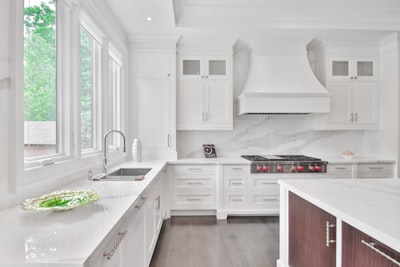
In feng shui, the kitchen is directly linked to your health and abundance. To cultivate good feng shui energy, keep this space clean and organized. The stove is considered the heart of the kitchen, so make sure it is in good working order. If possible, avoid placing the sink right next to the stove to prevent a clash between the water and fire elements.
For small kitchens or dining areas, the principles are just as important. Focus on a bright color palette and use natural elements like a wooden cutting board or a bowl of fresh fruit to enhance the space. Fill any empty space above cabinets with plants or decor to prevent the accumulation of dust and negative energy.
Follow these tips for a healthier kitchen:
- Declutter countertops and fix any broken appliances.
- Incorporate wood and metal accents to promote productivity and family bonds.
- Ensure the space is well-lit and welcoming.
Conclusion
In conclusion, incorporating Feng Shui principles into your interior design not only enhances the aesthetic appeal of your spaces but also cultivates a sense of harmony and balance that can positively impact your well-being. By understanding the flow of Chi and the significance of the five elements—Wood, Fire, Earth, Metal, and Water—you can create inviting environments that align with your lifestyle and aspirations. Remember, every room in your home has its unique energy, and applying these concepts thoughtfully can transform the way you experience your surroundings. If you're eager to bring this harmonious balance into your life, we invite you to book a free consultation to explore personalized Feng Shui solutions tailored just for you.
Frequently Asked Questions
Does feng shui really make a difference in how a room feels?
Yes, absolutely. This ancient Chinese practice focuses on creating a harmonious space by improving the positive energy flow. Even simple changes, like decluttering your living room or rearranging furniture, can significantly impact the feng shui energy, making a room feel more balanced, calming, and inviting.
What are common mistakes to avoid when using feng shui in my interior design?
A common mistake is incorrect placement of furniture, such as blocking pathways or having your back to the door, which can create negative energy. Others include ignoring clutter, placing a mirror with a poor reflection, or misusing the Bagua map. Remember that a clear view of the door promotes security.
How can I incorporate feng shui principles if I have a small apartment or limited space?
In a small apartment, the principles of feng shui are even more crucial. Focus on maximizing the flow of energy by decluttering, using mirrors to create a sense of spaciousness, and choosing multi-functional furniture. Thoughtful placement of key design elements can make any small living space feel open and balanced.