Key Highlights
Here are the key takeaways from our guide to sustainable living:
- Eco-friendly homes significantly reduce your environmental impact by using less energy and resources.
- Key features include energy-efficient designs, water conservation systems, and the use of sustainable building materials.
- Smart home technology and passive solar design help lower energy consumption and reduce energy bills.
- Sustainable materials like bamboo, cork, and reclaimed wood minimize waste and create a healthier living environment.
- Prefabricated and modular homes offer affordable, high-quality, and less wasteful alternatives to traditional construction.
- Green features like indoor gardens and green roofs improve air quality and connect your living space with nature.
Introduction
Have you ever thought about how your home impacts the planet? Shifting toward sustainable living is more than just a trend; it's a responsible choice for our future. Eco-friendly homes are at the forefront of this movement, offering innovative ways to reduce our carbon footprint and promote environmental sustainability. From lowering your energy bills to creating a healthier space for your family, building or choosing a green home has incredible benefits. This guide will walk you through the essential features and designs that make a house truly sustainable.
Essential Features of Eco-Friendly Homes
An eco-friendly home combines several key elements to minimize its environmental impact. The main features that make a home eco-friendly are a focus on energy efficiency, water conservation, and the use of sustainable, non-toxic materials. These homes are designed to work in harmony with the environment, often incorporating smart home technology to optimize resource use.
By integrating these features, you create a space that not only saves you money but also promotes a healthier lifestyle through improved indoor air quality. Moving toward sustainable living starts with understanding these core components. Let's explore how energy efficiency, thoughtful design, and water-saving systems come together in a green home.
Energy Efficiency and Smart Home Technology
Eco-friendly homes help reduce energy consumption primarily through superior design and technology. High-performance insulation, like structural insulated panels (SIPs), creates an airtight building envelope. This means your home stays warmer in the winter and cooler in the summer without constantly running your heating or cooling systems. Choosing appliances with the Energy Star label also ensures you’re using products designed for maximum energy efficiency.
Smart home technology takes this a step further. Smart thermostats learn your schedule and adjust the temperature automatically, cutting down on wasted energy when you're not home. Some advanced smart home platforms, like DveleIQ, monitor your home's overall performance, from energy use to air quality, making adjustments to keep everything running efficiently.
These combined efforts significantly lower your overall energy consumption. This not only reduces your monthly utility bills but also shrinks your carbon footprint, making your home a partner in the fight against climate change.
Passive Solar Design and Orientation
Passive solar design is a brilliant strategy for heating and cooling your home naturally, using the sun's energy. It’s all about designing a home to work with the climate. This involves the careful placement, or orientation, of your house on its site to maximize natural light and warmth during the winter while minimizing heat gain in the summer.
So, why is orientation so important? By positioning the majority of your windows to face south (in the northern hemisphere), you can capture free solar heat when the sun is low in the winter sky. In the summer, when the sun is higher, well-designed roof overhangs can shade these same windows, keeping your home cool. This thoughtful orientation for natural lighting dramatically reduces the need for artificial heating and cooling.
Materials with high thermal mass, such as concrete or stone, can absorb and store the sun's heat during the day and release it slowly at night, further stabilizing indoor temperatures. This clever use of passive solar design makes your home more comfortable and energy-efficient year-round.
Water Conservation Systems in Sustainable Homes
A truly sustainable home is also an efficient home when it comes to water use. Implementing water conservation strategies is crucial for reducing your environmental impact, especially in areas prone to drought. Smart design and modern fixtures can drastically cut down on your household's water consumption without sacrificing comfort.
How do sustainable homes conserve water? They employ a variety of innovative systems. For instance, some eco-homes are designed with rainwater harvesting systems that collect precipitation from the roof. This water can then be used for landscaping or other non-potable needs. Another effective strategy is greywater recycling, which reuses water from showers and sinks for flushing toilets or watering plants.
Additionally, installing specific fixtures makes a big difference. Key examples include:
- Low-flow faucets, toilets, and showerheads that reduce water use by up to 30%.
- Smart irrigation systems that monitor weather conditions and water your garden only when necessary.
Sustainable Building Materials for Green Living
Choosing the right building materials is fundamental to creating a green home. Sustainable materials are those that have a low environmental impact throughout their lifecycle, from harvesting to disposal. Using these materials helps reduce material waste, conserve natural resources, and often creates a healthier indoor environment free from harmful chemicals.
Commonly used sustainable building materials include recycled steel, reclaimed wood, bamboo, cork, and even straw. These options move away from the resource-intensive methods of conventional construction. As we look closer, you'll see how recycled, renewable, and low-toxicity materials contribute to a truly sustainable home.
Recycled and Upcycled Materials
One of the most effective ways to build sustainably is by using recycled materials. This approach gives a second life to items that would otherwise end up in a landfill, significantly reducing construction waste. Conventional building can produce up to 25% material waste, a figure that sustainable methods aim to drastically lower.
So, how are recycled materials used? Reclaimed wood from old barns or buildings is a popular choice for flooring, beams, and decorative features, adding character and history to a new home. Recycled steel is another common material, used for framing and roofing due to its durability and infinite recyclability. Even recycled plastic can be transformed into decking, insulation, or carpeting.
Upcycled materials are also a key feature, where items are repurposed in a creative way without being broken down first. Think of shipping containers turned into modern homes or old tires used in foundation work. By embracing recycled and upcycled materials, you reduce your home's environmental footprint from the ground up.
Renewable Resources: Bamboo, Cork, and More
Incorporating renewable resources into your home is a cornerstone of sustainable design. Unlike finite natural resources, these materials can be replenished quickly, making them an excellent eco-friendly choice. Bamboo and cork are two of the most popular renewable options in modern green building.
What are the benefits of using them? Bamboo is a type of grass that grows to maturity in just a few years, making it incredibly sustainable. It's as strong and durable as many hardwoods, perfect for flooring and cabinetry. Bamboo Living homes even use code-certified bamboo structures that sequester carbon dioxide and are engineered to withstand hurricanes. Cork is harvested from the bark of cork oak trees without harming the tree itself, and the bark regrows every nine years. It's an excellent material for flooring due to its cushioning, insulation, and moisture-resistant properties.
Using these renewable resources helps conserve forests and reduces the demand for materials that take decades or centuries to grow. This commitment to fast-growing, responsibly harvested materials is a simple yet powerful way to build a greener home.
Low-Toxicity Finishes and Eco Paints
Why are low-toxicity finishes so important in eco-friendly homes? The answer lies in your health. Conventional paints, sealants, and finishes often release volatile organic compounds (VOCs), which can compromise indoor air quality and lead to health issues. Choosing low-toxicity options is essential for creating a healthier living environment for you and your family.
Eco paints and finishes are specifically formulated to have low or zero VOCs. This means they don't off-gas harmful chemicals into the air you breathe. Many sustainable homes, like those from Plant Prefab, prioritize low-VOC paints to meet high environmental and wellness standards.
Beyond paints, this principle applies to other finishes as well. When selecting materials for your home, look for:
- Adhesives and sealants that are free from formaldehyde.
- Flooring and cabinetry made without toxic glues. By carefully selecting these low-toxicity finishes, you ensure your home is not only green but also a safe and healthy sanctuary.
Types of Eco-Friendly Homes: From Modular to Luxury
The world of sustainable housing offers a surprising variety of styles, from practical modular homes to stunning luxury eco homes. No matter your budget or aesthetic preference, there's a green home design that fits your needs. These homes all share a common goal: minimizing environmental impact through smart design, efficient systems, and sustainable materials.
Many people wonder if modular homes are considered eco-friendly. The answer is a resounding yes, and they offer numerous benefits. Beyond modular designs, you'll also find off-grid homes and net-zero properties that produce as much energy as they consume. Let's look at some popular types of eco-friendly homes and what makes them unique.
Modular and Prefab Eco Homes: Benefits and Innovations
Modular and prefab homes are built in sections in controlled factory settings and then assembled on-site. This construction method makes them inherently eco-friendly. Because materials and processes are standardized in a factory, there is significantly less material waste compared to a traditional build. This efficiency also leads to a shorter construction time, reducing the overall energy use of the project.
The benefits of choosing a modular or prefab home are compelling. They are often more affordable per square foot and built with precision, leading to tighter seals and better insulation. Many manufacturers, like Method Homes and Plant Prefab, specialize in green certifications such as LEED and Passive House, ensuring high standards of sustainability.
Off-Grid and Net-Zero Energy Houses
For those seeking ultimate self-sufficiency, off-grid and net-zero homes represent the pinnacle of sustainable living. A net-zero home produces as much renewable energy as it consumes over a year, effectively zeroing out its carbon footprint. These homes achieve this through a combination of extreme energy efficiency and on-site energy generation, usually from solar panels.
An off-grid home takes this a step further by being completely disconnected from public utilities. This means generating your own energy, sourcing your own water (often through rainwater collection), and managing your own waste. You can definitely buy off-grid eco-friendly homes, but there are important factors to consider. You'll need to invest in robust systems for power, water, and waste, and be prepared for a hands-on approach to home management.
Both types of homes drastically reduce reliance on fossil fuels. Companies like BrightBuilt Home specialize in net-zero designs, while others like Ark-Shelter offer models that can be outfitted for completely off-grid living, allowing you to live comfortably with a minimal environmental impact.
Luxury Eco-Friendly Homes and High-End Sustainable Features
Absolutely, luxury eco-friendly homes are not only available but are becoming increasingly popular. These homes prove that sustainability and high-end living can go hand-in-hand. They combine stunning modern architecture with cutting-edge green technology, offering beautiful views and exceptional comfort without compromising on environmental responsibility.
These luxury eco homes incorporate a range of high-end features. You'll find gourmet kitchens with top-of-the-line Energy Star appliances, spa-like bathrooms with water-saving fixtures, and expansive living areas that open to the outdoors. Many are designed to generate their own energy through large solar arrays and may include advanced systems like geothermal heating and cooling.
Some standout features in luxury sustainable homes include:
- Smart home systems that automate lighting, climate, and security for optimal energy use.
- The use of premium sustainable materials like reclaimed hardwoods, natural stone, and custom-designed elements. Companies like CleverHomes specialize in creating personalized, high-end modular homes that merge eye-catching amenities with principles of wellness and energy efficiency.
Eco-Friendly House Designs and Floor Plans
The design and layout of your home play a huge role in its sustainability. Thoughtful floor plans can enhance natural light, improve airflow, and make your living spaces more functional and efficient. Sustainable design isn't about sacrificing style; it's about creating a home that is both beautiful and intelligent.
If you're wondering where to look for eco-friendly house plans and designs, many prefab companies like Enercept and IdeaBox offer libraries of pre-designed plans as a starting point. These can often be customized to fit your needs. Let's explore how features like open spaces and green roofs contribute to a better, more sustainable home.
Open and Multi-Functional Spaces
Open and multi-functional spaces are a hallmark of modern eco-friendly home design. By removing unnecessary walls, an open floor plan creates a sense of spaciousness and allows natural light to flow freely throughout the home. This reduces the need for artificial lighting during the day and can make a smaller home feel like it has plenty of space.
The benefits are both practical and sustainable. A multi-functional space can easily adapt to your changing needs. For example, a dining area can double as a home office, or a living room can be sectioned off to create a temporary guest space. This versatility means you can live comfortably in a smaller, more resource-efficient home without feeling cramped.
This approach to design encourages a more connected way of living. A combined kitchen, living, and dining area becomes the heart of the home, promoting family interaction. Ultimately, open and multi-functional designs help reduce the overall square footage needed, which means fewer building materials and less energy required for heating and cooling.
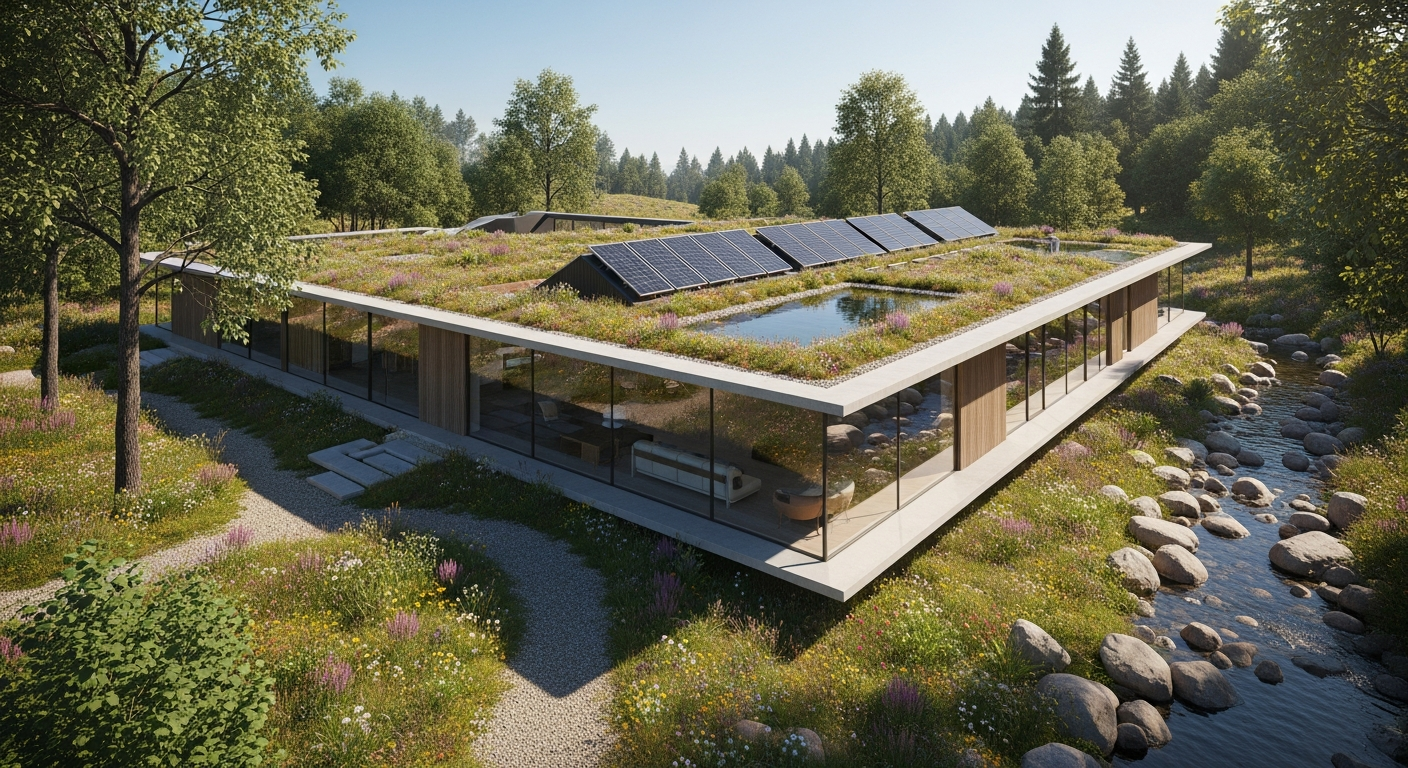
Indoor Gardens, Green Roofs, and Living Walls
Integrating nature directly into your home's structure is an innovative way to boost its sustainability. Indoor gardens, green roofs, and living walls blur the line between indoor and outdoor spaces, offering numerous environmental and aesthetic benefits. An indoor garden can improve air quality and even provide you with fresh herbs and vegetables.
So, how do green roofs and living walls contribute to sustainable living? A green roof, or a roof covered in vegetation, provides excellent insulation, reducing energy costs for heating and cooling. It also absorbs rainwater, which lessens stormwater runoff and helps prevent flooding in urban areas. Living walls, which are vertical gardens grown on interior or exterior walls, offer similar benefits on a different scale.
These features contribute to a healthier home and planet by:
- Improving air quality by filtering pollutants and producing oxygen.
- Enhancing biodiversity by creating habitats for birds and insects. Features like these not only make your home more beautiful but also turn it into a living, breathing part of the local ecosystem.
Where to Find and Buy Eco-Friendly Homes in the United States
Finding eco-friendly homes for sale in the United States is becoming easier as demand grows. Whether you're looking for a prefab model or an existing property with green upgrades, the real estate market is adapting. Many prefab home manufacturers, such as California-based Dvele, which has a production line in Loma Linda, deliver across the country. Meanwhile, cities known for their environmental focus, like San Diego or Portland, Oregon, often have a greater inventory of sustainable homes.
When searching, look for listings that mention features like solar panels, Energy Star certifications, or green building credentials like LEED. The key is knowing what to look for and where to search. The following tips will help you locate affordable sustainable housing and discover inspiring examples of eco-friendly projects that are making a real difference.
Tips for Locating Affordable Sustainable Houses
Finding affordable sustainable housing can feel like a challenge, but with the right approach, it's entirely possible. One of the best strategies is to look beyond the initial price tag and consider the long-term energy savings. A home with a higher upfront cost might save you thousands over its lifetime on utility bills.
Prefabricated and modular homes often present a more affordable path to sustainable homeownership. Companies like Method Homes and IdeaBox offer models with base prices that are competitive with traditional construction, while delivering superior energy efficiency. So how can you find these homes?
Here are a few tips to guide your search for affordable eco-friendly homes for sale near you:
- Work with a real estate agent who specializes in green homes. They will have access to listings and knowledge that general agents may not.
- Expand your search to include smaller or tiny homes, which are inherently more affordable and resource-efficient.
- Look for government incentives or green mortgages that can help offset the cost of buying or building a sustainable home.
Real Examples of Successful Eco-Friendly Housing Projects
Real-world examples of sustainable housing projects beautifully illustrate the significant benefits of green building. These developments showcase how innovative design and materials can lead to impressive energy savings and positive environmental benefits. They serve as inspiration for what is possible in sustainable living.
One great example is the LivingHome series by Plant Prefab. These were the first homes in the nation to achieve LEED Platinum certification, demonstrating a commitment to net-zero standards, smart home technology, and healthy materials like low-VOC paints and cork flooring. Their designs prove that affordability and high performance can coexist.
Another is the GO Home line by GO Logic, which offers Passive House-certified dwellings that use 80% less energy than a typical home. These homes blend traditional aesthetics with cutting-edge efficiency and can be assembled on-site in under two weeks. These successful sustainable projects show that building green is not just a concept but a practical, achievable reality.
Conclusion
In conclusion, embracing eco-friendly living is not just a trend but a necessary shift towards a sustainable future. By incorporating essential features such as energy efficiency, smart home technology, and sustainable materials, you can create a home that minimizes your ecological footprint and promotes a healthier lifestyle. With a variety of options, from modular to luxury eco-friendly homes, there’s a solution for every budget and preference. As you explore the possibilities of sustainable house designs and find the right resources to locate your dream eco-friendly home, remember that each step you take contributes to a greener planet. If you’re ready to make a change, get a free consultation to discover how to start your journey towards sustainable living today!