Key Highlights
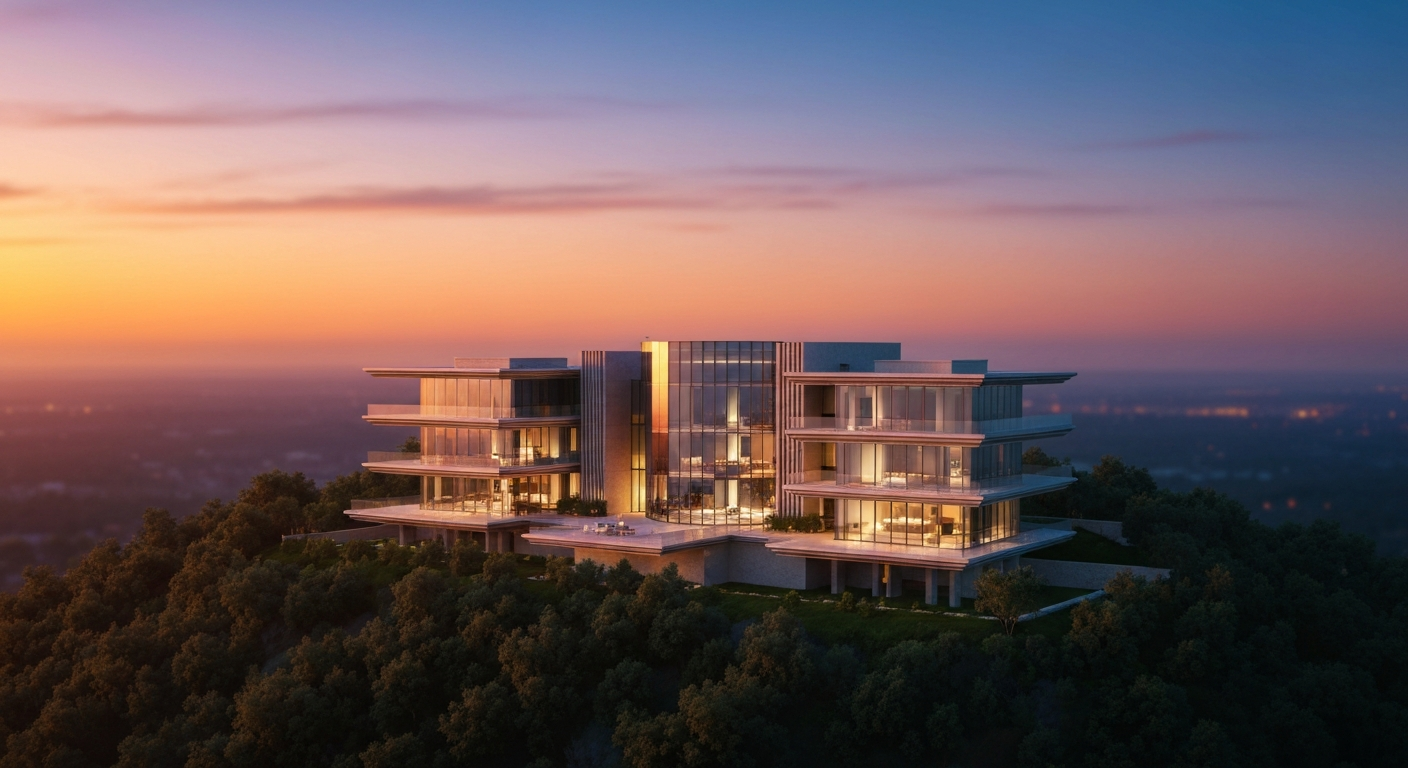
Here are the top architecture trends shaping luxury living in 2025:
- Sustainable design is becoming a standard, with a focus on eco-friendly materials and energy efficiency.
- Smart home technology is seamlessly integrated for convenience, security, and reduced energy use.
- Design trends are shifting towards "warm minimalism" and "quiet luxury," emphasizing comfort and quality.
- The use of natural materials like wood, stone, and brick connects homes to the environment.
- Wellness is a priority, with dedicated spaces for relaxation and health in luxury homes.
- Biophilic design brings nature indoors to enhance well-being and create tranquil living spaces.
Introduction
The world of luxury homes is undergoing a transformation. As we look toward 2025, the leading architecture trends are moving beyond pure aesthetics to embrace a more holistic vision of modern living. This new era combines sustainability, cutting-edge technology, and a deep connection to nature. The latest design trends are not just about how a home looks, but how it feels and functions. Get ready to explore the innovative ideas shaping the most exceptional living spaces of tomorrow.
Defining Luxury Architecture in 2025
In 2025, the definition of luxury architecture is expanding. It's less about sheer size and more about a design philosophy that prioritizes personalization, comfort, and environmental responsibility. Modern living is now defined by how your home enhances your quality of life.
This new approach to luxury living is reflected in home design that is both beautiful and meaningful. Common design features in modern luxury homes include open living spaces that flow seamlessly, the extensive use of natural materials, and a strong connection to the outdoors, creating sanctuaries that are both elegant and soulful.
The Evolving Concept of Luxury in Modern Homes
The idea of luxury design is shifting away from the stark, clinical minimalism of recent years. Homes are no longer blank canvases but are becoming warm, inviting sanctuaries. The new design philosophy infuses the clarity of minimalism with organic textures, earthy tones, and subtle contrasts, making spaces feel more human and lived-in.
This evolution is about creating a sense of "quiet luxury." Instead of flashy statements, the focus is on quality, craftsmanship, and timeless beauty. Think of a solid wooden dining table that showcases its natural grain or a brick fireplace that grounds the room with its enduring texture. These elements are chosen for their ability to age gracefully and feel both modern and eternal.
In contemporary design, this means luxury homes feature textured walls, natural finishes like wood grain flooring, and layered lighting to create an ambient glow. This approach to modern living creates uncluttered yet deeply personal environments that blend simplicity with a sense of belonging.
Key Characteristics of High-End Residences
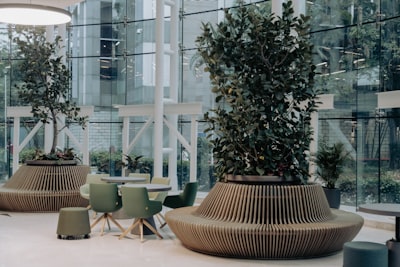
Today's high-end residences are defined by a set of architectural features that prioritize a holistic living experience. These architectural trends are less about tradition and more about creating a personalized environment that supports your lifestyle. The focus is on blending beauty, function, and a connection to the world around you.
This new standard for luxury homes results in spaces that are both innovative and deeply comfortable. The emphasis is on quality over quantity, with every detail carefully considered to enhance daily life.
Some of the most prominent characteristics include:
- Biophilic Design: Integrating natural elements like indoor gardens, water features, and large windows to connect residents with nature.
- Seamless Indoor-Outdoor Flow: Using expansive glass doors and cohesive materials to erase the boundaries between interior and exterior spaces.
- Sustainable Materials: Prioritizing eco-friendly choices like reclaimed wood, bamboo, and recycled metals.
- Integrated Smart Technology: Incorporating home automation for lighting, climate, and security that simplifies life.
Sustainable Solutions in Luxury Architecture
Sustainability is no longer an add-on but a cornerstone of luxury architecture in 2025. Homeowners are increasingly seeking properties that demonstrate environmental responsibility without compromising on elegance. This has made sustainable luxury one of the most important design trends today.
This focus on sustainability credentials influences every stage of design, from material selection to energy systems. Architects are finding creative ways to build homes that are both stunning and kind to the planet. We will now look at the specific materials and design practices driving this movement.
Green Building Materials and Their Benefits
The choice of materials is crucial in creating a sustainable home. Green building materials are becoming a hallmark of luxury projects, with a focus on options that have a minimal environmental impact. Materials like reclaimed wood, bamboo, and recycled metal are popular for their eco-friendly properties and unique character.
Brick, a classic material, is also seeing a resurgence due to its impressive sustainability profile. Made from natural clay and shale, it is incredibly durable, energy-efficient, and recyclable, making it one of the most friendly materials available.
The benefits of using sustainable materials extend beyond just being green:
- Energy Efficiency: Materials like brick have high thermal mass, which helps regulate indoor temperatures and reduce heating and cooling costs.
- Longevity: Durable materials reduce the need for replacements, minimizing waste over time.
- Improved Air Quality: Natural and non-toxic materials contribute to a healthier indoor environment.
Innovative Eco-Friendly Design Practices
Beyond materials, innovative eco-friendly design practices are transforming luxury homes. These strategies are thoughtfully integrated to boost energy efficiency and reduce the home's carbon footprint. Architects are designing with the surrounding environment in mind, creating a harmonious relationship between the structure and nature.
For example, green roofs provide excellent insulation, reduce urban heat, and improve air quality. Other common features include rainwater harvesting systems that collect and reuse water for landscaping, and advanced insulation techniques that keep homes comfortable year-round with less energy.
This commitment to sustainable design also includes the use of high-performance windows and solar panels, which are becoming standard components of luxury properties. These practices not only make a home more eco-friendly but also elevate its overall comfort and long-term value, proving that luxury and sustainability can go hand in hand.
Emerging Architectural Styles Shaping Luxury Properties
The architectural styles defining luxury homes in 2025 are all about balance. They blend simplicity with warmth, and timeless traditions with contemporary sensibilities. These design trends are moving away from overly ornate or starkly cold aesthetics toward something more personal and inviting.
Two dominant styles are emerging: a sophisticated take on minimalism and a fusion of classic and modern influences. These approaches create spaces that feel both current and enduring. Let’s explore how these styles are shaping luxury properties.
Minimalism Meets Sophistication
The concept of minimalism in luxury living is evolving. Gone are the sterile, all-white spaces of the past. In their place is "warm minimalism," a design philosophy that combines the clean lines and sleek designs of minimalism with the comfort of organic textures and earthy tones. It’s about creating spaces that are uncluttered yet deeply soulful.
Imagine a living room with softly textured walls, minimalist furniture in warm fabrics like linen, and a handcrafted brick backsplash in the kitchen. This approach is about creating subtle contrasts: sleek design paired with organic textures, and neutral colors deepened with earthy undertones. The result is a space that feels ordered yet alive.
This form of contemporary design resonates because it offers calm without sacrificing character. It allows for a sophisticated and simplified lifestyle while providing a sense of warmth and belonging, making it a perfect expression of modern luxury living.
Timeless Influences and Contemporary Fusions
Another key trend in luxury real estate is the fusion of timeless influences with contemporary design. This approach creates a sense of "quiet luxury," where the quality of craftsmanship and materials speaks for itself. It’s not about being trendy; it’s about creating homes that feel both modern and eternal.
This style often involves using classic materials like natural stone or brick to ground a space with texture and history. A sleek wooden table might be paired with mid-century modern chairs, or a large, single piece of art might hang on a wall, adding a focal point without overwhelming the room. The appeal lies in restraint and purpose.
These design trends ensure that a home's beauty will endure. By blending classic elements with a contemporary aesthetic, architects are creating properties that are not just valuable today but are built to last, offering a refuge from the fast-paced, fleeting trends of the outside world.
Advanced Technologies Transforming Luxury Spaces
Technology is no longer an afterthought in luxury living; it’s a core component. Advanced technologies are reshaping luxury spaces, with a focus on seamless integration and intuitive control. Smart home technology and artificial intelligence are at the forefront of these design trends, simplifying daily routines while enhancing security and energy efficiency.
From systems that learn your preferences to voice-activated controls, these innovations are changing how we interact with our homes. Let's look at how smart automation and other tech advancements are creating the ultimate modern living experience.
Smart Home Automation and Integrated Systems
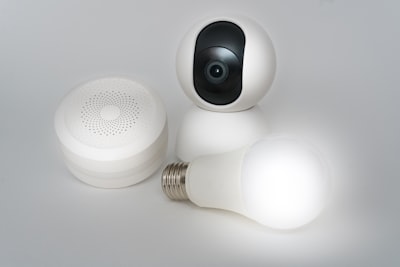
In 2025, smart home technology has moved beyond novelty to become a necessity in luxury home design. The focus is on fully integrated, intuitive systems that make daily life easier and more efficient. Home automation now offers advanced control over everything from lighting and temperature to security and entertainment.
With just a simple touch or voice commands, you can adjust your environment to fit your needs perfectly. Imagine your lights dimming automatically for a movie night or your thermostat adjusting to optimize energy consumption while you’re away. These systems are designed to be almost invisible, blending seamlessly into the home's architecture.
Even kitchens and bathrooms are getting smarter. AI-powered refrigerators can suggest recipes based on their contents, and smart mirrors can display real-time information. This level of integration simplifies daily life and adds a new layer of comfort and convenience to modern luxury living.
Seamless Indoor-Outdoor Living with New Innovations
New innovations are making the connection between indoor and outdoor living spaces more fluid than ever before. Technology plays a key role in achieving this seamless integration, dissolving the boundaries between the home and its natural surroundings. Features like retractable glass walls and floor-to-ceiling windows can be automated to open up living spaces to the fresh air and sunlight at the touch of a button.
This trend extends to bringing nature inside in more dynamic ways. Smart home technology can manage automated irrigation and lighting systems for indoor gardens or living walls, ensuring they thrive with minimal effort. This creates a constant, calming presence of greenery within your living spaces.
By combining biophilic design principles with cutting-edge tech, architects are crafting homes where outdoor living spaces feel like a natural extension of the interior. This creates a tranquil and immersive environment where you can enjoy the beauty of nature from the comfort of your home.
Interior Design Trends Complementing Luxury Architecture
The interior design of a luxury home is just as important as its architecture. The two must work in harmony to create a cohesive and inviting atmosphere. The leading design trends for 2025 focus on creating living spaces that are not only stylish but also promote a sense of well-being.
From the colors on the walls to the focus on tranquility, every element of home design is carefully chosen to complement the architectural vision. Let's explore the color palettes and wellness-focused spaces that are defining high-end interiors this year.
Popular Color Palettes and Finishes in 2025
The color palettes trending in luxury homes for 2025 are inspired by nature. There is a significant move away from cool grays and stark whites toward warmer, more grounding earth tones. These colors create a sense of tranquility and connection to the outdoors, complementing the use of natural materials in interior design.
Muted greens, warm browns, deep grays, and soft terracottas are taking center stage. In addition to these colors, silver is making a comeback in finishes. After years of brass and gold, the sleek, modern elegance of silver offers a quieter, more versatile accent for fixtures, hardware, and decorative objects.
These design trends in color and finish work together to create a sophisticated and harmonious environment in luxury homes.
- Earthy Tones — Deeper grays, muted greens, warm browns, and soft terracottas bring warmth and a connection to nature.
- Soft Neutrals — Shades like sand, taupe, and stone gray provide a timeless canvas that highlights material quality.
- Silver Accents — Matte or polished silver for fixtures, hardware, and frames adds a touch of sleek, modern elegance.
Wellness and Tranquility-Focused Living Spaces
Wellness is now a central theme in luxury home design, reflecting a growing desire for homes that serve as personal sanctuaries. Architects and designers are creating interior spaces specifically dedicated to enhancing physical and mental well-being, which significantly improves the quality of life for residents. This focus on tranquil living is reshaping how we think about our homes.
This trend manifests as dedicated wellness rooms for activities like yoga, meditation, and fitness. Bathrooms are being transformed into spa-like retreats with steam showers, saunas, and hydrotherapy tubs. The goal is to create calming environments that promote relaxation and balance.
To achieve this, designers are incorporating several key features:
- Biophilic Design: Bringing in plants, natural light, and views of nature to reduce stress.
- Advanced Air and Water Purification: Ensuring a healthy indoor environment.
- Circadian Lighting Systems: Mimicking natural light patterns to support healthy sleep cycles.
- Soundproofing Materials: Creating quiet, peaceful interior spaces free from outside noise.
Signature Materials Defining 2025’s Architecture
The materials used in a home's construction are fundamental to its character and feel. In 2025, the focus is on a rich palette of natural materials that add texture, warmth, and sophistication. Natural stone, textured woods, and subtle metal accents are signature elements of this year's luxury architecture.
Alongside these timeless choices, innovative materials like performance glass and other sustainable materials are being used to enhance both aesthetics and efficiency. Let’s take a closer look at these defining materials.
Natural Stone, Textured Woods, and Metal Accents
The use of natural materials is a dominant trend because they add depth and character to any space. Natural stone, such as marble and limestone, lends a timeless sophistication to kitchens and bathrooms, while textured woods bring warmth and an organic feel to floors, walls, and cabinetry. These materials are chosen for their beauty and durability.
Brick is another key material, valued for its rich, earthy texture that can be used for both exterior facades and interior architectural features like accent walls or fireplaces. It pairs beautifully with other natural materials, creating a layered, multidimensional look that feels both rustic and refined.
Complementing these earthy textures are sleek metal accents. Silver, in particular, is trending for its modern elegance. Used for faucets, hardware, and lighting fixtures, silver provides a cool contrast to the warmth of wood and stone, bridging the gap between classic and contemporary design trends.
Performance Glass and Sustainable Surfaces
In the pursuit of modern living that is both beautiful and efficient, performance glass has become an essential material. Large expanses of high-performance glass, used in floor-to-ceiling windows and sliding doors, help maximize natural light and offer stunning views. This not only enhances the connection to the outdoors but also improves energy efficiency by reducing the need for artificial lighting and providing better insulation.
Alongside glass, other sustainable materials are being used for surfaces throughout the home. Bamboo, a rapidly renewable resource, is a popular choice for flooring and cabinetry due to its durability and eco-friendly credentials. Similarly, reclaimed wood adds unique character while reducing the demand for new lumber.
These materials demonstrate how luxury design is embracing sustainability without compromise. By choosing performance glass and sustainable surfaces, homeowners can enjoy a home that is light-filled, energy-efficient, and aligned with modern environmental values.
Conclusion
As we look ahead to 2025, the landscape of luxury architecture is set to undergo remarkable transformations driven by sustainability, innovative technologies, and evolving design philosophies. The fusion of timeless elegance with modern functionality creates spaces that not only reflect individual style but also promote a healthier lifestyle. By embracing these emerging trends, homeowners can curate luxurious environments that are both aesthetically pleasing and environmentally responsible. As you consider your next architectural project or home renovation, keep these trends in mind to ensure your space is at the forefront of luxury living. If you’re ready to take the next step in enhancing your home, don’t hesitate to reach out for a consultation!
Frequently Asked Questions
How does sustainability influence luxury home design in 2025?
In 2025, sustainability is a core principle of sustainable luxury. Design trends prioritize eco-friendly materials, high energy efficiency, and systems that reduce energy consumption. This approach enhances a home's sustainability credentials, proving that opulence and environmental responsibility can coexist beautifully in modern luxury homes.
Which emerging technologies are most impactful in luxury architecture?
The most impactful emerging technologies are smart home technology and artificial intelligence. These are seamlessly integrated into home design to automate lighting, climate, and security. Through intuitive controls and voice commands, this technology simplifies daily tasks and elevates the experience of luxury living to one of ultimate convenience and comfort.
What interior trends are most popular in high-end homes this year?
Popular interior design trends for luxury homes include warm minimalism, which creates cozy yet uncluttered living spaces. Biophilic design, which brings nature indoors, and a focus on wellness are also key. In the living room and beyond, you'll see earthy color palettes and natural materials that create a tranquil, sophisticated atmosphere.