Key Highlights
- New York City’s Manhattan borough tops the list as the most expensive city in the United States, with a cost of living more than double the national average.
- Cities in New York and California, including San Francisco and Los Angeles, dominate the rankings of expensive cities.
- Housing costs are the single biggest factor driving the high cost of living in these major metropolitan areas.
- Honolulu, Hawaii, is the second most expensive city, largely due to increased prices for imported goods and utilities.
- Even with high median incomes, affordability remains a major challenge for residents in these pricey locations.
Introduction
Are you planning a move, relocating for a job, or just curious about where your money goes the furthest? Understanding which cities have a high cost of living is essential for making smart financial decisions. It’s no secret that some areas are a much more expensive place to live than others. We’ve compiled a list of the most expensive cities in the United States for 2025, giving you a closer look at what it truly costs to call these popular destinations home.
The Most Expensive Cities in US: 2025 Cost Rankings List
When you look at the priciest places to live, a clear pattern emerges. Cities in New York and California, like Los Angeles and San Francisco, consistently appear at the top. These urban centers are known for their vibrant cultures and job opportunities, but they also come with high living expenses that are well above the national average.
Our rankings are based on the cost of living index, which analyzes expenses like housing, food, and transportation. Currently, the US city with the highest cost of living overall is Manhattan, New York. Let's explore the top cities where residents pay a premium for everyday life.
1. Manhattan, New York
Yes, the borough of Manhattan in New York City continues to hold its position as the most expensive city in the country. With a cost of living index that is more than twice the national average, life in the Big Apple’s core comes with a hefty price tag. For the 1.6 million people who live there, seemingly everything from groceries to entertainment costs more.
The primary driver behind these steep costs is housing. Manhattan is home to one of the most expensive housing markets in the world. The average home price is a staggering $3,025,267, and average monthly rent is around $5,654.
Even with a median household income of about $101,078, the high median home value makes homeownership a distant dream for many. The extreme housing costs are a defining feature of Manhattan's economy, setting it apart from every other city in the nation.
2. Honolulu, Hawaii
Coming in second is Honolulu, Hawaii, a Pacific paradise where the cost of living is nearly as breathtaking as the scenery. Its remote location means most goods must be shipped in, significantly increasing prices for everyday items. For example, groceries in Honolulu cost about 20% more than the national average.
Beyond rent or a mortgage, other factors make a city expensive. In Honolulu, utility bills are the highest of any urban area surveyed by the Council for Community and Economic Research. While healthcare costs are more moderate, the combined expense of housing, food, and utilities puts a major strain on budgets.
The median home value here is a lofty $1,608,698, and the median household income of $104,264 often falls short of what’s needed to live comfortably. These high housing costs and daily expenses make Honolulu a challenging place to afford.
3. San Francisco, California
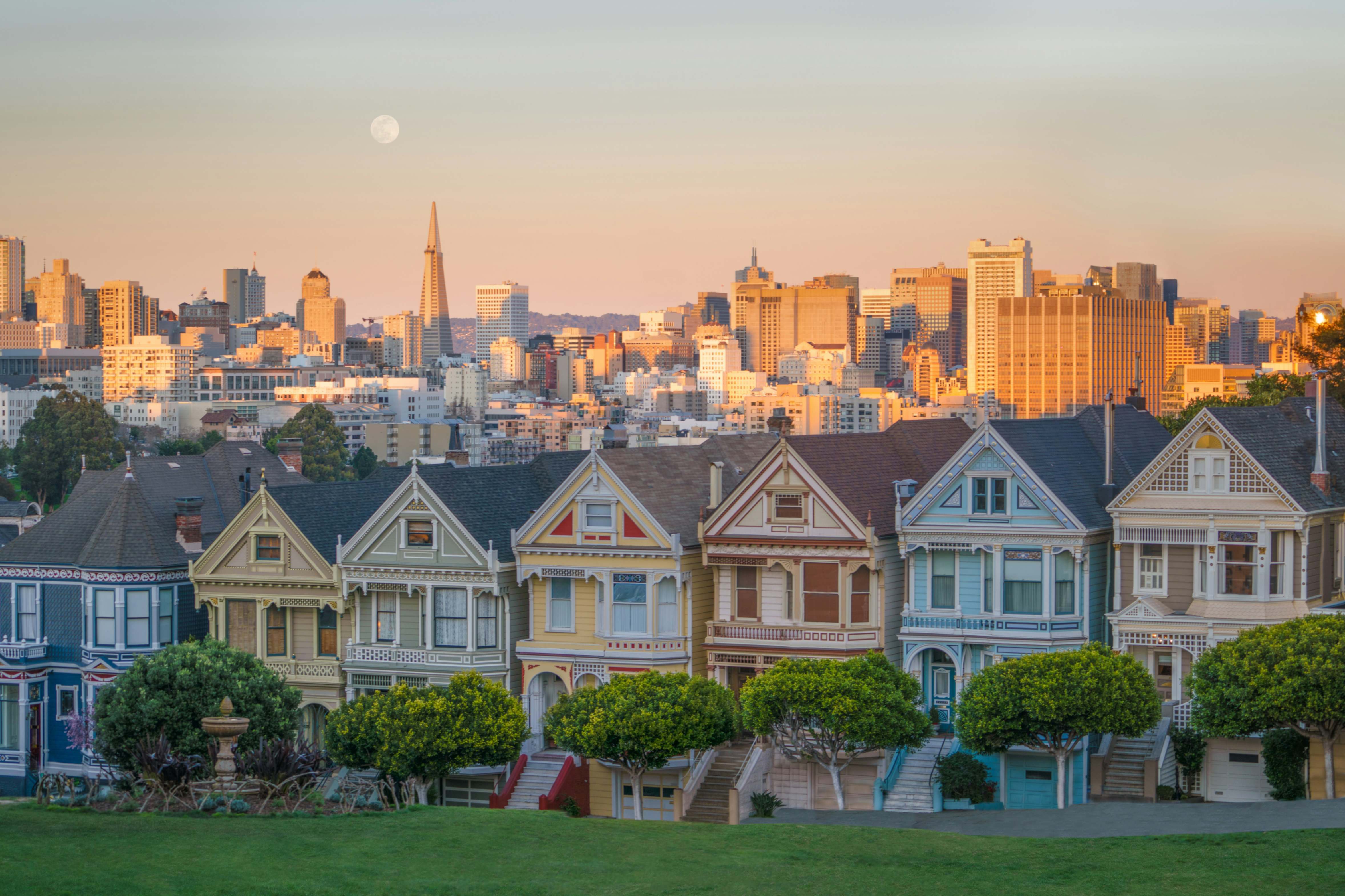
San Francisco is famous for its iconic landmarks and booming tech industry, but it's also known for its sky-high cost of living. For years, the city has been one of the most expensive places to live in the U.S., largely due to its competitive housing market. The influx of high-paid tech workers has driven housing prices to astonishing levels.
The cost of housing is a major hurdle for residents. San Francisco has some of the highest average home prices in the country, with the average home costing around $1,375,284. Even those with substantial incomes can find it difficult to afford a home in the city.
Renters face similar challenges, as apartment rents are more than double the national average, with a typical unit costing $3,761 per month. High home prices for groceries and utilities, which are 22% and 46% above average respectively, add to the financial pressure.
4. San Jose, California
Located in the heart of Silicon Valley, San Jose is the epicenter of tech development in America. This distinction makes it one of the most expensive places to live in the US. The city hosts major facilities for tech giants, attracting a workforce with high salaries, which in turn drives up the cost of living for everyone.
The abundance of high-paying jobs is a key factor that makes San Jose so expensive. The typical household income is more than double the national average, but so are the costs. The city's cost of living index is pushed upward primarily by its incredibly expensive housing markets.
The mean price of a home in San Jose is an eye-watering $1,945,454, and overall housing costs are over 265% higher than the national average. Utilities are also pricey, running 46% above the norm, reflecting the overall high cost of living in this tech hub.
5. Brooklyn, New York
Brooklyn, another of New York City’s famous boroughs, has transformed from an affordable alternative to Manhattan into a decidedly expensive place in its own right. With a population of nearly 2.6 million, it would be one of the largest cities in the nation if it stood alone. Its popularity has caused home values and rents to soar.
The notable difference between the most and least expensive cities is starkly illustrated here. The average rent in Brooklyn is around $3,695 per month, which totals over $44,000 a year. This is a massive jump compared to more affordable cities across the country.
Home values reflect this trend, with the average home price reaching $1,452,667. Housing-related expenses in Brooklyn are almost triple the national average, making it clear that the days of it being a bargain are long gone.
6. Orange County, California
Synonymous with wealth and sunny beaches, Orange County is a large region in Southern California that includes several cities. Its ranking is determined by averaging the costs across its municipalities, from bustling Santa Ana to the ultra-wealthy Newport Beach. The O.C. is home to about 3.2 million people and a large number of Fortune 500 companies.
The area is famous for its expensive housing markets, which cement its reputation as a haven for the rich and famous. In exclusive enclaves like Newport Beach, the median home value exceeds $2 million, pulling the county's average up significantly.
Overall, the average home price for all of Orange County sits at an impressive $1,634,993. The housing market here is so costly that overall housing expenses are 269.3% more than what the typical American pays, making it one of the priciest places to put down roots.
7. Boston, Massachusetts
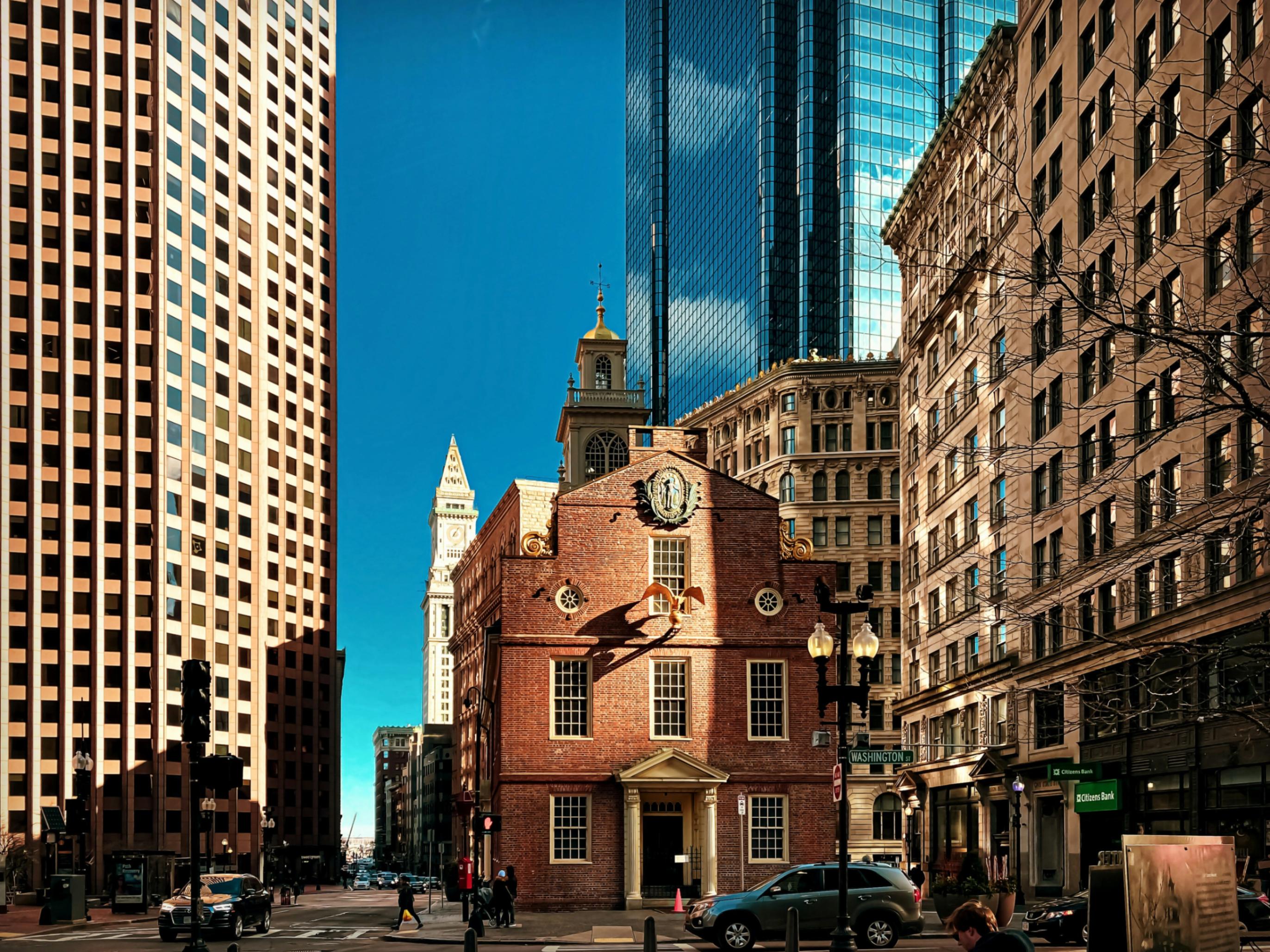
Boston is an appealing place to live, boasting a unique mix of historic charm, world-class universities, and a thriving tech and biotech scene. However, this popularity comes at a price, making it one of the more expensive East Coast cities. While the large student population helps keep some costs in check, buying a home is another story.
What makes Boston expensive besides housing? Utilities and healthcare costs are significantly higher than the national average. Residents pay 43% more for utilities and 18% more for healthcare, which adds a substantial burden to the monthly budget.
The city's home prices are nearly double the U.S. average, with an average price of $1,045,430. Even with a median household income of $94,755, the high cost of living makes it challenging for many to make ends meet, especially when a family of four needs about $165,000 before taxes to live comfortably.
8. Los Angeles, California
Los Angeles, the City of Angels, is known for Hollywood glamor, but its economy is much more diverse, with major shipping and manufacturing sectors. This economic activity, combined with a desirable lifestyle, contributes to its high living costs. The differences between the most and least expensive cities are evident here, where the median income is slightly below the national average, yet costs are sky-high.
Housing costs are the biggest financial challenge for Angelenos. Famous ZIP codes like 90210 skew the numbers, but the average home price across the city is a formidable $1,348,792. Renting isn't much cheaper, with average apartment rents being 87.5% more expensive than the U.S. average.
A family of four needs a pretax income of roughly $140,000 to get by in Los Angeles. This financial pressure is highlighted by the fact that 16.5% of the city’s residents live below the poverty line, a stark contrast to the national rate of 11.1%.
9. Seattle, Washington
For years, Seattle has been known for its red-hot housing market. Fueled by a booming tech scene, home to giants like Amazon and Microsoft, the city has seen home values skyrocket. Even after a period of slower growth, Seattle remains one of the most expensive places to live in the U.S.
When you compare housing costs across top expensive cities, Seattle stands out. The average home price is $1,043,265, which is almost double the national average. Overall housing costs, which include mortgages and rent, are nearly 99% higher than what the typical American pays.
This high cost of living index is a direct result of fierce competition for limited inventory. While a high median household income helps some residents manage, the elevated home values take a significant bite out of their paychecks. On a brighter note, utility bills are only slightly above the national average.
10. Washington, D.C.
The nation's capital, Washington, D.C., is not just a hub of political power but also one of the country's most expensive housing markets. The District of Columbia attracts ambitious professionals, and with high median incomes comes intense demand for housing. This has driven the average home price to $1,064,500, making it one of the US cities with the highest average home prices.
Overall housing-related costs in D.C. are double the national average. However, the city presents a mixed bag when it comes to other expenses. Higher tax rates are a factor, but transportation and utility costs are more manageable.
For instance, utilities are only 2.5% more expensive than the U.S. average, and an extensive public transit system helps keep transportation costs down. The DC Circulator bus, costing just $1, connects many popular spots, offering an affordable way to get around the city.
11. Arlington, Virginia

Just across the Potomac River from Washington, D.C., Arlington, Virginia, is a prime example of how close-in suburbs are included in cost rankings. Home to the Pentagon and Arlington National Cemetery, this area attracts well-paid professionals, which is reflected in its high cost of living. The ranking process considers such urban areas alongside major city centers.
Arlington's housing market is incredibly expensive. Housing-related expenses, from mortgages to property tax payments, are more than double the national average. This is largely due to an average home price of more than $1,012,527.
On the bright side, residents benefit from one of the highest median household incomes in the U.S., at $138,416. This high earning potential is necessary to offset the steep home prices and overall cost of living in this desirable D.C. suburb.
12. Bethesda, Maryland
Bethesda, Maryland, is an upscale suburb of Washington, D.C., known for being a major medical hub. It is home to the National Institutes of Health and Walter Reed National Military Medical Center. While it doesn't have the highest cost of living overall, it ranks high due to one major expense: housing.
Residents pay a significant premium to live here. The biggest contributor to Bethesda's high cost of living index is its housing market, where the average home price is $1,003,738. This is 82.8% higher than the national average.
Other costs in Bethesda are more moderate. Healthcare costs are actually 5.8% lower than the national average, and transportation is only 3.4% more expensive. However, with a median household income of $114,089, affording the high home prices remains a challenge.
13. Queens, New York
As people get priced out of Manhattan and Brooklyn, many are turning to Queens, the largest borough in New York City. Once known as a more affordable option, Queens is becoming trendier and more expensive. Its inclusion on this list shows how widespread high housing costs have become across the city.
The cost of housing in Queens is now a major expense. The average home price has climbed to $1,427,978, which is nearly three times the national average. The median rent is also high, with the average monthly apartment rent at $3,747.
So, should you consider moving here despite the costs? Queens offers great diversity, culture, and access to two major airports. For some, these benefits and the fact that it's still relatively more affordable than Manhattan make the high housing costs a worthwhile trade-off.
14. San Diego, California
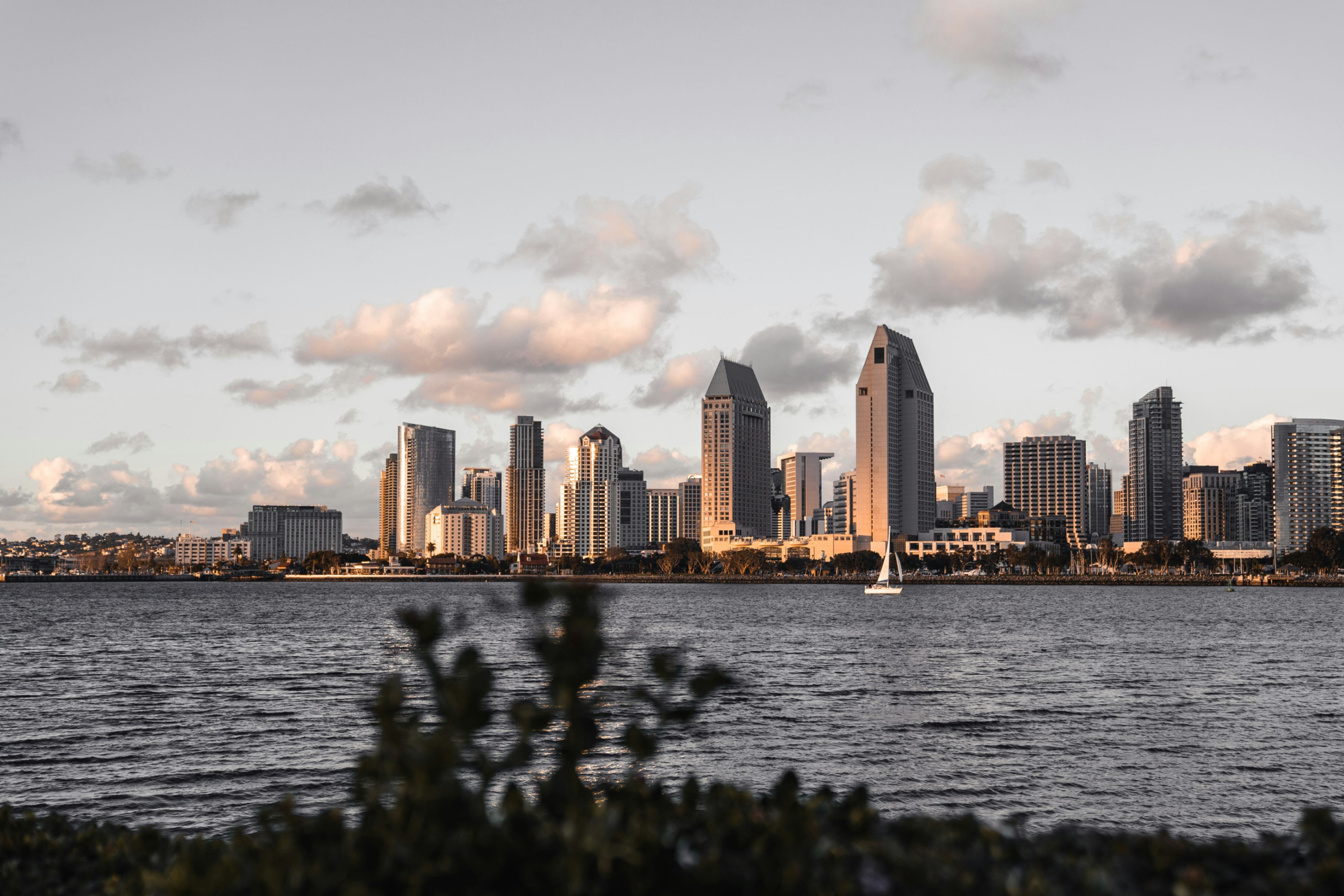
San Diego's miles of beaches, year-round mild climate, and attractions like Balboa Park make it a paradise for many. Beyond tourism, its economy is powered by aerospace, defense, and technology. This combination of lifestyle and opportunity has made San Diego’s housing market one of the priciest in the nation.
Housing costs here compare unfavorably to more affordable regions. The average home price has reached $1,157,567, more than double the national average. Renters also feel the squeeze, with the average apartment costing $3,127 per month. Even the cost of heating and cooling is higher than in many other places.
A family of four with two working adults needs an income of about $149,000 before taxes to live comfortably in San Diego. The high average home price is a significant barrier for many aspiring homeowners in this beautiful coastal city.
What Factors Determine the Cost Rankings of US Cities?
You might be wondering how these rankings are created. The list of the most expensive U.S. cities is determined using a Cost of Living Index, compiled quarterly by the Council for Community and Economic Research (C2ER). This index measures the price of goods and services in hundreds of urban areas.
These prices are then compared against a national average to see how much more (or less) it costs to live in a particular city. This data, which is based on information from sources like the Bureau of Labor Statistics, is a vital tool for personal finance planning. The following sections will explore these factors in more detail.
Cost of Living Index and Methodology
The primary tool used to rank cities is the Cost of Living Index from the Council for Community and Economic Research (C2ER). This index is the result of detailed economic research that collects price data for a wide range of goods and services across 265 urban areas. It's a key resource for anyone managing their personal finance.
The methodology involves comparing local prices for six major categories: housing, utilities, groceries, transportation, healthcare, and miscellaneous goods and services. These items are weighted based on typical consumer spending patterns, as identified by the U.S. Consumer Expenditure Survey.
A score of 100 represents the national average. A city with a score above 100 is more expensive than average, while a score below 100 is less expensive. This standardized approach allows for a clear comparison of living costs from one city to another.
Impact of Housing Prices and Rent
Without a doubt, the single biggest factor that makes a city one of the most expensive places to live is the cost of housing. In nearly every city on our list, housing prices are the main reason the overall cost of living is so high. This category includes mortgage payments, average rent, and property tax.
In places like Manhattan or San Jose, home prices are several times the national average. This extreme cost makes it nearly impossible for many people to buy a home, which in turn puts immense pressure on the rental market.
As demand for rentals increases, the average rent skyrockets, affecting even those who aren't looking to buy. High property tax rates in these areas also add to the financial burden for homeowners, further inflating the cost of living.
Local Taxes, Utilities, and Transportation Costs
While housing gets most of the attention, several other expenses contribute to a city's high cost of living. These factors often get overlooked but can add up quickly, making a city expensive beyond just rent or a mortgage.
These costs vary significantly from one city to another. For example, Hawaii's remote location drives up the price of nearly everything, while high state tax rates can impact your take-home pay in places like California and New York.
Here are a few other key costs to consider:
- Utilities: The price of electricity, natural gas, and water can be dramatically higher in certain cities. The cost of heating and cooling a home in Honolulu, for instance, is far above the national average.
- Transportation Costs: Gas prices, public transit fares, car insurance, and maintenance all contribute to transportation costs, which are often elevated in dense urban areas.
- Local Taxes: State and local income taxes, sales taxes, and high gas tax rates can take a big bite out of your budget.
How Do Housing Costs Compare Across These Expensive Cities?
Even among the most expensive cities, there's a wide range in housing costs. The housing market in these major cities is notoriously competitive, but the average home price in Manhattan is worlds apart from the price in Seattle or Boston. These differences highlight the unique economic pressures at play in each location.
This variation in housing costs means that a high household income might go further in one expensive city than another. Understanding these nuances is crucial for anyone considering a move. Let’s take a closer look at how the numbers stack up.
Average Home Prices in the Top Ranked Cities
The most direct way to see the disparity in housing is to compare the average home price. As expected, New York City leads the pack, but several California cities like San Francisco and Los Angeles also feature incredibly high housing prices. These figures represent the average for all types of homes, from small condos to sprawling estates.
Keep in mind that these home values are averages and can be skewed by the presence of multimillion-dollar properties. Still, they provide a clear picture of the financial barrier to entry in these markets. Here’s how some of the top cities compare.
City — Average Home Price
- Manhattan, NY: $3,025,267
- San Jose, CA: $1,945,454
- Orange County, CA: $1,634,993
- Honolulu, HI: $1,608,698
- Brooklyn, NY: $1,452,667
Typical Monthly Rent in Major Urban Areas
If you think buying is tough, the rental market in these expensive housing markets offers little relief. High demand and limited supply keep apartment rents incredibly high, often making the median rent in these urban areas more than double the national average of $1,600 per month.
For many residents, high rent is the single largest monthly expense. This financial pressure affects everyone, from young professionals starting their careers to families trying to find adequate space. The gap between these cities and the rest of the country is immense.
Let's compare the average rent in a few of these top-tier cities:
- Manhattan, NY: The average rent is an astounding $5,654 per month.
- Honolulu, HI: Renters can expect to pay around $4,615 per month.
- San Francisco, CA: The average apartment rent is approximately $3,761 per month.
Trends in Real Estate and Affordability for 2025
The real estate market has been on a wild ride. While home prices may have peaked in the summer of 2022, they haven't fallen significantly in these expensive cities. This lack of relief is a key factor that continues to make these cities some of the most expensive places to live. By historical standards, housing costs remain exceptionally high.
Experts note that price growth has slowed, but the market isn't expected to become much cheaper anytime soon. The dream of finding affordable housing in these metropolitan areas remains out of reach for many. The cost of an average apartment or starter home is still a major financial obstacle.
For 2025, the trend suggests continued high prices with only minor fluctuations. This stubborn lack of affordability means that anyone hoping to move to one of these cities will need to be prepared for the steep housing costs that define their markets.
Conclusion
As we've explored, the cost of living in the United States varies dramatically across cities, with several factors influencing these rankings. From housing prices and local taxes to transportation costs, understanding what makes a city expensive can help you make informed decisions, whether you're considering a move or simply curious about where your city stands. Remember that while high living costs can present challenges, they often come with their own unique opportunities and amenities. If you're thinking about relocating or want to learn more about managing expenses in these areas, feel free to reach out for expert advice!