Key Highlights
- Hong Kong, Singapore, and Zurich top the list of the world’s most expensive cities for international workers in 2024.
- High housing costs are a major factor driving up the cost of living in these top-tier global cities.
- The global economy, including inflation and exchange rate changes, significantly impacts city rankings each year.
- Many of the most expensive places offer a very high quality of life, but this often comes with a steep price tag.
- European cities, particularly in Switzerland, feature heavily in the top 10 rankings.
Introduction
Have you ever wondered what it costs to live in some of the most famous global cities? The cost of living is a critical factor when considering a move, influencing your lifestyle and budget. While many of the most expensive places offer an incredible quality of life and abundant opportunities, they also come with a hefty price tag. This article explores the cities with the highest living expenses, what makes them so costly, and how these costs are measured across the world.
Exploring the Most Expensive City in the World
When you picture the most expensive places on the planet, what comes to mind? Is it towering skyscrapers, luxury shopping, or pristine streets? Often, it’s a combination of factors, from a booming global economy to a competitive real estate market.
These elements contribute to a high cost of living but also often correlate with a superior quality of life. Let's take a closer look at the top cities where your wallet will feel the biggest pinch.
1. Monaco – The Epitome of Luxury Living
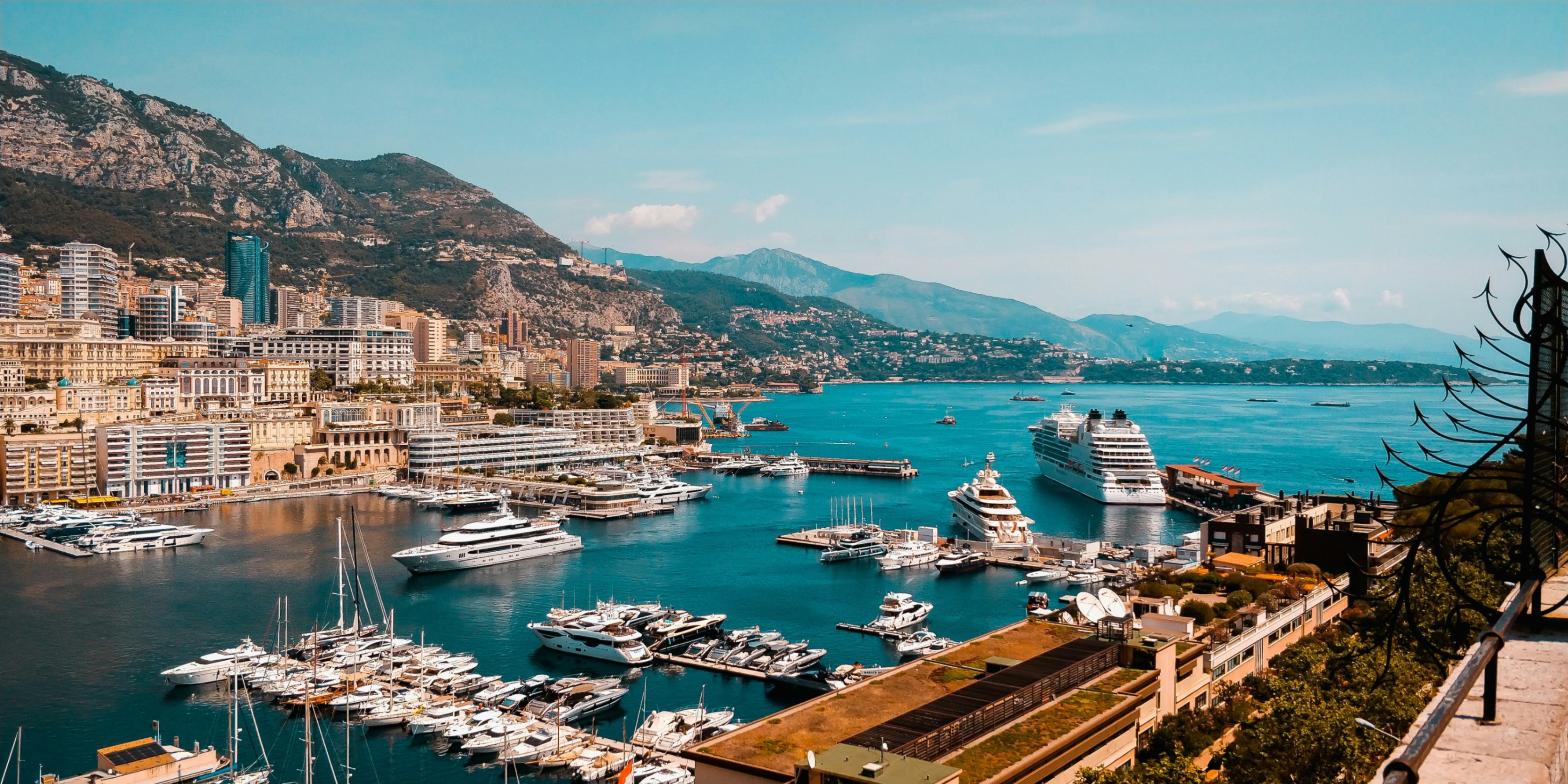
Monaco is synonymous with luxury and opulence, making it one of the most expensive places to reside in the world. This tiny city-state on the French Riviera is a magnet for high-net-worth individuals, drawn by its glamorous lifestyle, favorable tax laws, and unparalleled security. The concentration of wealth drives up the prices for nearly everything.
The demand for living space in such a small area creates an incredibly competitive and pricey real estate market. This exclusivity is a key reason Monaco consistently ranks among the priciest locations. Living here means embracing a world of high-end services, gourmet dining, and elite social circles.
Ultimately, the city's reputation as a playground for the rich ensures its high cost of living. The exceptional quality of life, combined with its status as a financial haven, cements Monaco's position as a symbol of extravagant living.
2. Singapore – Asia’s Priciest Metropolitan Hub
Singapore stands out as Asia's most expensive city and consistently ranks near the top globally. As a major financial hub, it attracts professionals and businesses from all over, thanks to its strong economy and high standard of living. This popularity, however, comes at a cost.
The city-state's real estate market is notoriously expensive, driven by limited space and high demand. This makes housing the biggest expense for most residents. The cost of goods and services, from groceries to transportation, is also significantly higher than in many other parts of the world.
Despite the high cost of living, Singapore offers a clean, safe environment and excellent public transportation. For many, these benefits justify the expense, but it presents a challenge for those trying to live on a budget.
3. Zurich – Switzerland’s Financial Powerhouse
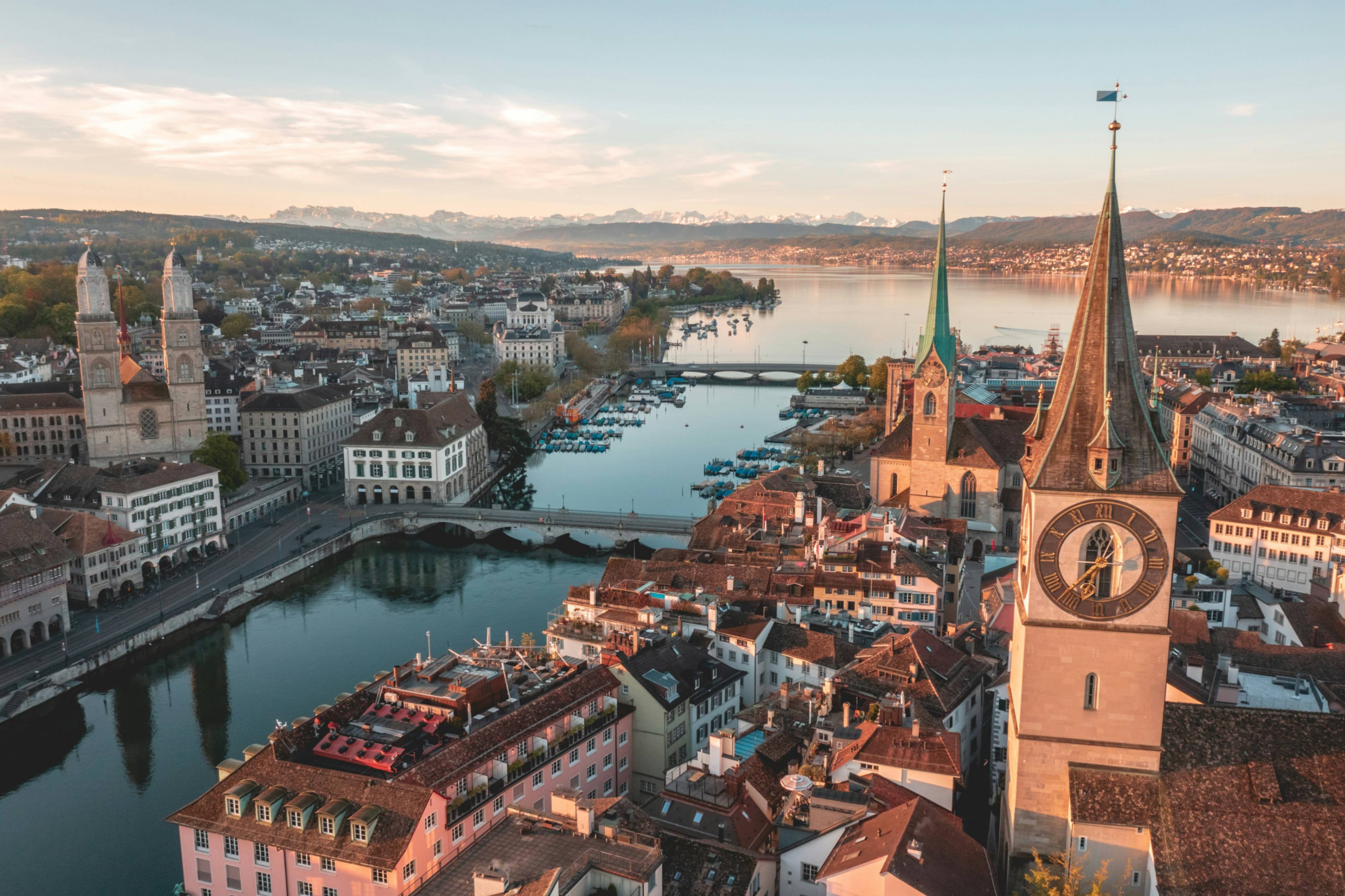
Zurich is frequently named one of the priciest cities, and for good reason. As Switzerland's financial powerhouse, it boasts a robust economy, political stability, and an exceptionally high standard of living. These factors attract talent and investment, which in turn elevates the cost of living.
Residents of Zurich face steep prices for housing, food, and daily expenses. The city’s world-class infrastructure, pristine public services, and high salaries contribute to this premium cost structure. The strength of the Swiss franc also plays a role, making imported goods more expensive.
Even with these high costs, many find the trade-off worthwhile. The city offers an outstanding quality of life, with beautiful natural surroundings, excellent healthcare, and a safe environment, making it a desirable, albeit expensive, place to call home.
4. Geneva – The Heart of International Diplomacy
Nestled in the Swiss Alps, Geneva is another of the global cities known for its high cost of living. As a hub for international diplomacy and finance, it attracts a large expatriate community and numerous international organizations. This global presence fuels a high demand for goods and services.
The city’s picturesque setting and exceptional quality of life come with a premium price tag. Housing, in particular, is a major expense, as are everyday costs like dining out and transportation. Geneva's reputation for safety, cleanliness, and excellent public services makes it a highly attractive place to live.
Like its Swiss counterpart Zurich, Geneva's high living costs are a reflection of its economic strength and desirable lifestyle. For those who can afford it, the city offers a unique blend of culture, nature, and international flair.
5. New York City – America’s Costliest Urban Center
New York City, the Big Apple, consistently ranks as the most expensive city in North America. As a center for finance, culture, and media, it offers endless opportunities and a vibrant lifestyle that attracts people from all corners of the globe. This constant influx puts immense pressure on the housing market.
Sky-high housing prices are the most significant factor in New York's high cost of living. Whether you're renting a small apartment in Manhattan or buying property in one of the outer boroughs, the costs are staggering. Beyond rent, daily expenses for food, transportation, and entertainment are also well above the national average.
Despite the expense, millions are drawn to the energy and diversity of New York City. Its role in the global economy and its cultural significance make it a place where many feel the high cost is a worthy investment for the experiences it offers.
6. Hong Kong – Sky-High Property Prices
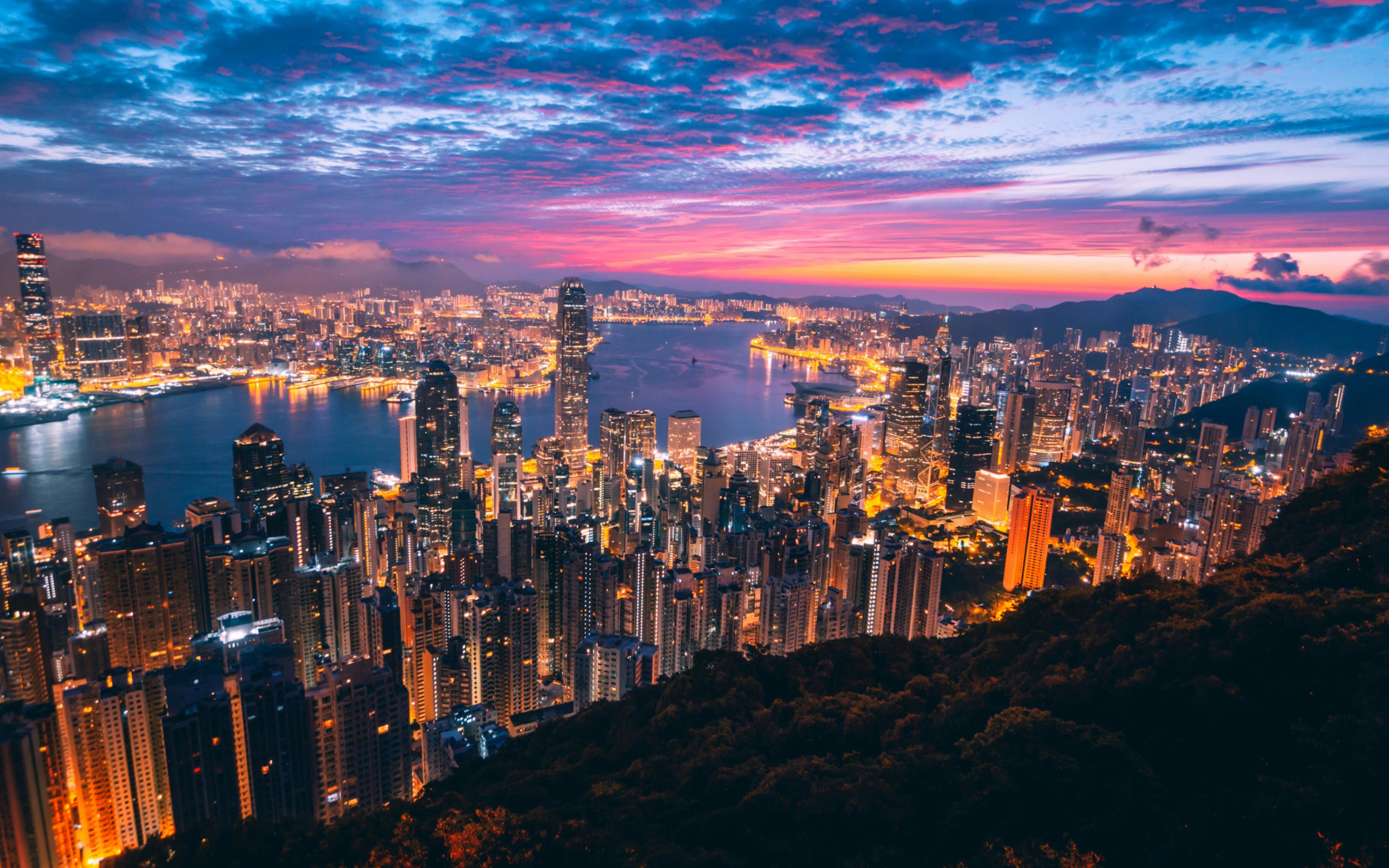
For years, Hong Kong has held a top spot among the world's most expensive cities, and in 2024 it remains number one for international workers. The city's extreme cost of living is primarily driven by its real estate market. With a dense population and very limited housing supply, property prices are astronomical.
This Asian metropolis is a major financial hub, attracting businesses and high-net-worth individuals from around the world. This concentration of wealth further inflates the cost of goods, services, and housing, making it a challenging place for those on a moderate income.
Even everyday items and transportation can be costly. While Hong Kong offers a dynamic lifestyle and a gateway to Asia, its reputation for being exceptionally expensive is well-deserved, largely due to the intense competition for space.
7. London – Europe’s Luxury Capital
London has re-entered the top 10 most expensive cities, securing its position as a costly European capital. As a global financial center, it attracts a steady stream of professionals and investors, which fuels its competitive and expensive real estate market. Housing costs, especially in central areas, are a major part of the high cost of living.
Beyond rent, Londoners face high prices for public transportation, dining, and entertainment. The city's rich history, cultural diversity, and career opportunities continue to make it a highly desirable place to live, despite the financial pressures it places on residents.
Among European cities, London stands out for its blend of historic charm and modern economic power. This combination maintains its status as a prime destination, but it also ensures that living there requires a significant budget.
8. Paris – The City of Glamour and High Costs
Paris, the city of light and love, is also a city of high expenses. While it offers a high standard of living with its world-renowned culture, cuisine, and art, this lifestyle comes at a price. The French capital ranks among the most expensive cities in Europe.
Housing costs are a significant burden for Parisians, particularly in the city's central arrondissements. High demand and limited space keep rental and purchase prices elevated. Additionally, consumer spending on groceries, clothing, and dining out is notably high, reflecting the city's premium status.
The allure of Paris is undeniable, with its beautiful architecture and vibrant atmosphere. However, anyone considering a move should be prepared for the financial realities of living in one of the world's most glamorous, and costly, urban centers.
9. Los Angeles – The West Coast’s Pricey Paradise
Los Angeles has earned its place in the top 10 most expensive cities globally. Known for its sprawling metropolis and connection to the entertainment industry, the city attracts a diverse population seeking opportunity and the quintessential California lifestyle. This popularity contributes to its high expenses.
The cost of living in Los Angeles is driven by a notoriously expensive housing market, with both rental and purchase prices soaring. Transportation costs can also be substantial, as the city is heavily reliant on cars. Everyday expenses for groceries and entertainment are also on the higher end.
As a key player in the global economy, L.A. offers significant career prospects. However, residents must balance these opportunities with the financial challenges that come with living in this pricey West Coast paradise.
10. Tel Aviv – Middle East’s Trendsetting City
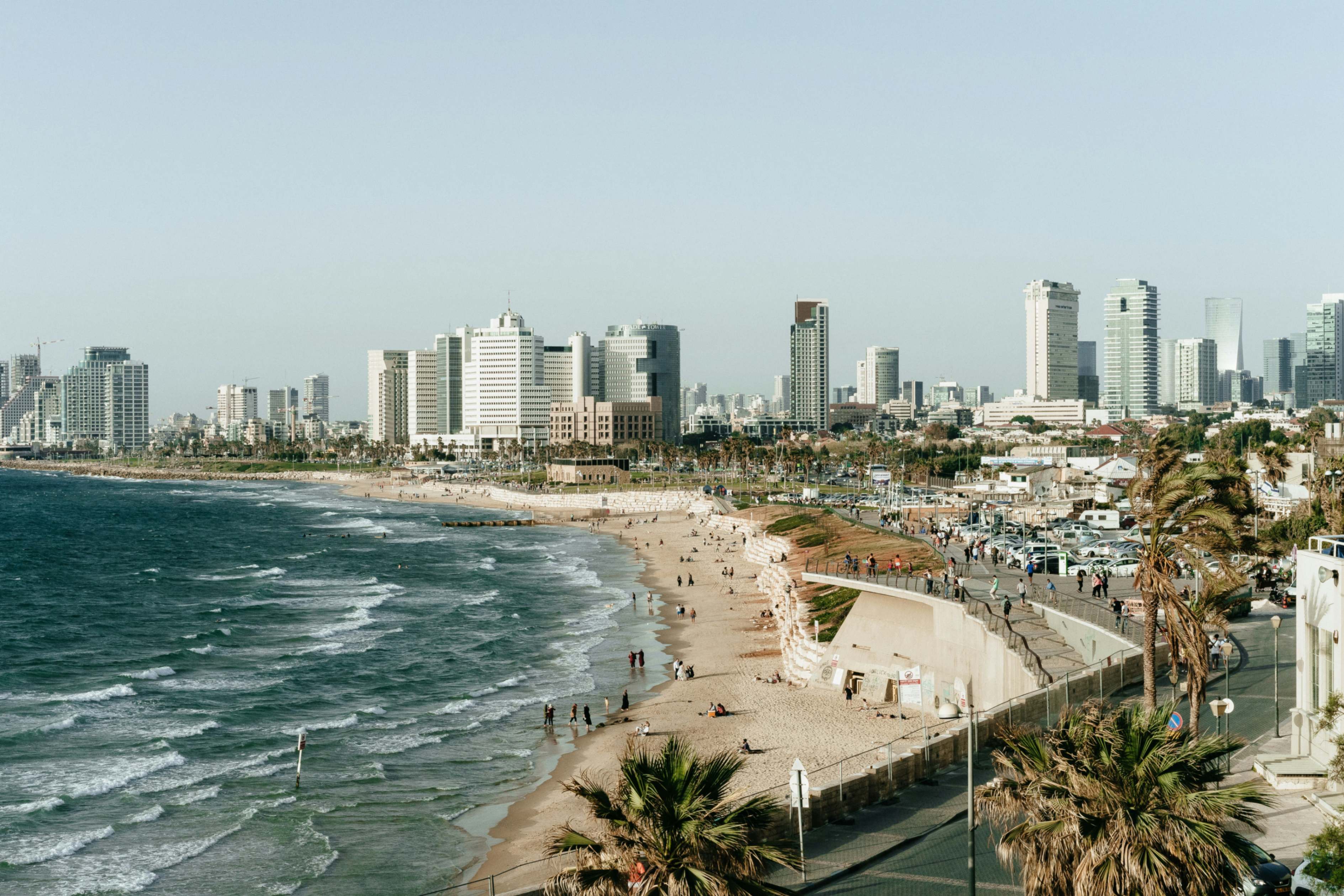
Tel Aviv has emerged as the most expensive city in the Middle East and a prominent player on the global stage. This vibrant coastal city is a burgeoning tech and cultural hub, attracting entrepreneurs and creatives from around the world. This rapid growth has led to a sharp increase in the cost of living.
The city's housing market has seen significant price hikes, making it one of the costliest urban centers for accommodation. While its ranking has dropped slightly from previous years, it remains an expensive place to live, with high prices for food, transportation, and entertainment.
Tel Aviv's dynamic atmosphere, beautiful beaches, and thriving nightlife make it a highly desirable destination. However, its trendsetting status comes with a premium cost that potential residents must be prepared to meet.
Key Factors Driving Up Living Costs in the World’s Most Expensive Cities
What exactly makes a city so expensive? It's rarely just one thing. A combination of factors often works together to drive up living costs. High expenses are typically a sign of a city's desirability, economic strength, and the quality of life it offers.
From the cost of housing to the price of a cup of coffee, several key elements play a significant role. These include booming real estate markets, the price of everyday goods, local policies, and the influence of global wealth. Let's examine these factors more closely.
Real Estate and Housing Markets
The cost of housing is arguably the biggest factor in a city's expense ranking. In the world's most expensive cities, the real estate market is incredibly volatile. For instance, between 2023 and 2024, some cities saw dramatic shifts in rental prices, highlighting the market's unpredictability.
This volatility is often caused by a simple mismatch between supply and strong demand. When more people want to live in a city than there are available homes, prices for prime real estate naturally skyrocket. This is especially true in areas with high population growth or limited land for development.
- Istanbul, Turkey, saw an average rental price increase of 301%.
- In contrast, Tel Aviv experienced a 22% decrease in rental costs.
- Dubai's housing prices jumped by 21%, driven by high demand.
High housing costs can strain your finances, leaving less disposable income for other needs. This directly affects your overall quality of life and makes attracting talent a challenge for companies operating in these expensive locations.
Cost of Goods and Services
Beyond housing, the cost of goods and services significantly impacts a city's cost of living index. Daily expenses for items like food, clothing, and transportation can add up quickly in pricey urban centers. Inflationary pressures can further increase these costs, affecting consumer spending power.
Recent data shows how much the prices of everyday items can fluctuate. For example, the cost of olive oil has seen a notable increase globally, but the hike has been much more extreme in certain cities. These price movements are a key component of how a city's affordability is measured.
- The price of olive oil in Buenos Aires soared by 694%.
- Coffee prices decreased in cities like Rome and Tokyo but rose sharply in Istanbul.
- Gasoline prices also varied, with a significant decrease in Rome.
These examples show that the cost of living isn't just about big-ticket items. The price of your morning coffee and weekly groceries plays a crucial role in determining how expensive a city truly is.
Taxes, Regulations, and City Policies
City policies, including taxes and regulations, are another important piece of the cost-of-living puzzle. High local taxes can increase the financial burden on residents, but they often fund high-quality public services like transportation, parks, and schools, which contribute to a better quality of life.
These government-led decisions can influence everything from housing affordability to business costs. For example, strict zoning regulations can limit new construction, driving up property prices. On the other hand, investments in public infrastructure can make a city more attractive, further increasing demand.
Ultimately, there is a delicate balance. While high taxes and stringent regulations can make a city more expensive, they can also ensure a safe, clean, and well-functioning environment. This trade-off is something residents in many of the world's priciest cities navigate every day.
Influence of High-Net-Worth Individuals
The presence of high-net-worth individuals has a powerful effect on a city's cost of living. The world's most expensive cities often act as magnets for global wealth, attracting affluent people who can afford premium lifestyles. This influx of money drives up prices across the board.
When a city becomes popular with the wealthy, demand for luxury goods, high-end real estate, and exclusive services increases. This creates a ripple effect, raising the cost of not just luxury items but also everyday necessities, as businesses cater to a clientele with more disposable income.
This phenomenon can lead to greater income inequality, where the cost of living becomes prohibitively expensive for those with average incomes. The concentration of wealth in cities like Monaco, Zurich, and Hong Kong is a key reason they consistently top the expense rankings.
How the Cost of Living Is Measured Globally
How do experts determine which global cities are the most expensive? It's a complex process that involves more than just looking at rental prices. Organizations that create these rankings use a standardized method to compare the cost of living across hundreds of locations worldwide.
They rely on comprehensive surveys and a cost of living index to track price changes for a wide range of goods and services. This ensures that the comparisons are fair and consistent, providing valuable insights for both individuals and multinational corporations. Let's break down how this measurement works.
Price Indexes and Comparison Metrics
To rank cities, researchers use price indexes and specific comparison metrics. A base city, often New York City, is used as a benchmark. The cost of a basket of goods and services in other cities is then compared to the base city to calculate a cost of living index.
This method accounts for currency movements against the US dollar and tracks price changes over time. Exchange rates play a crucial role, as a stronger local currency can make a city more expensive for international assignees. The goal is to provide a clear picture of how living costs differ from one location to another.
Metric — Description
- Base City: New York City is used as the standard for comparison (Index = 100).
- Basket of Goods: Over 200 items are priced, including food, housing, and transport.
- Exchange Rates: Currency values are measured against the US dollar for consistency.
- Price Changes: Inflation and price movements are tracked between survey periods.
Essential Expenses Considered (Housing, Food, Transport, Education)
When calculating living costs, surveys focus on a wide range of essential expenses that reflect the lifestyle of an international assignee. These go beyond just the basics and cover everything needed to maintain a comfortable standard of living in a new city.
Housing costs are the most heavily weighted component, but other categories are just as important for an accurate assessment. These include food, transportation, clothing, household goods, and entertainment. For expatriate families, the cost of private schools is also a significant consideration.
- Housing: Rental costs for accommodation that meets international standards.
- Transportation: Includes public transport fares and the price of gasoline.
- Food: Prices for a basket of grocery items from various stores.
By analyzing these diverse expenses, the rankings provide a holistic view of what it truly costs to live in a particular city, helping people budget effectively for an international move.
Annual Ranking Methodologies and Changes
The annual ranking of the world's most expensive cities is dynamic, with significant shifts occurring from year to year. The ranking methodologies are designed to capture these changes, which are often driven by economic and geopolitical events. Factors like inflationary pressures and currency fluctuations are major drivers of these movements.
For example, a city might jump up the rankings due to high local inflation, while another might fall because of currency devaluation, even if local prices have risen. These changes highlight the complex interplay of economic forces that determine living costs for international workers.
- Mexico City rose 46 places in the rankings due to economic factors.
- Lagos, Nigeria, fell 178 places, largely due to currency devaluation.
- Santiago, Chile, dropped 73 places, partly due to reductions in high-end housing costs.
These examples show why annual ranking updates are so important. They provide a current snapshot of the global economic landscape and help organizations and individuals make informed decisions based on the latest data.
Conclusion
In conclusion, exploring the most expensive cities in the world reveals not just the breathtaking lifestyles and opportunities they offer but also the complexities behind their high living costs. From real estate markets to the influence of high-net-worth individuals, many factors contribute to making these cities lavish yet challenging for residents. Understanding these dynamics is essential whether you're considering a move or simply curious about the world's luxury hubs. Stay informed and keep an eye on trends, as these rankings can shift annually due to various economic factors. If you have any questions or need further information, feel free to reach out!
Frequently Asked Questions
Which city is currently ranked as the most expensive in the world and why?
According to 2024 data, Hong Kong is the most expensive city for international employees. Its high cost of living is primarily driven by an extremely competitive real estate market and incredibly high housing prices, which result from a dense population and limited available land.
Are there any new cities that joined the expensive city rankings recently?
While the top spots often remain stable, cities can see significant jumps in the rankings. For example, Mexico City and Monterrey in Mexico saw large increases in their rankings this year due to economic factors and price changes, making them notably more expensive than in the past.
How do year-over-year changes impact the list of the most expensive cities?
Year-over-year changes like inflationary pressures and currency fluctuations have a major impact on the rankings. A city can become more expensive for international workers if its currency strengthens or if price changes on daily expenses outpace those in other cities, causing its position on the cost of living index to rise.