Key Highlights
- The Texas rural real estate market is seeing statewide land prices rise, reaching $4,827 per acre in early 2025, a 2.68% increase from the previous year.
- Market trends show a complex picture; while property values are up, the number of sales has declined, suggesting weaker demand.
- Remote work and lifestyle changes continue to fuel interest in rural land, shifting population from urban centers to the countryside.
- Economic factors like interest rates and inflation play a significant role, creating a market that is still unsettled.
- Regional market trends vary greatly, with areas like the Gulf Coast showing strong price growth while Far West Texas experiences a decline.
Introduction
Are you curious about what’s happening in the rural real estate market? The landscape is changing, driven by new economic forces and evolving lifestyle preferences. People are increasingly looking beyond city limits, creating fresh demand in rural areas. This shift is reshaping the land market across the country, especially in states like Texas. Understanding these trends is key whether you're considering buying, selling, or simply watching the market. Let's explore the top trends you should know about right now.
Key Drivers Shaping the Rural Real Estate Market in the U.S.
Several key drivers are influencing current market trends in rural real estate. Broad economic conditions, including fluctuating interest rates and inflation, have a direct impact on affordability and buyer demand. When borrowing costs are high, it can slow down the market.
Additionally, population growth and shifts in where people choose to live are major contributors. Government policies related to taxation and deregulation also play a role in shaping market dynamics. These elements combine to create a complex and ever-changing environment for rural property. The following sections will look at these drivers in more detail.
Economic Trends Impacting Rural Property Values
Economic indicators are having a profound effect on rural land values. Although the Federal Reserve's actions on interest rates are meant to control inflation, they also make borrowing money more expensive. Higher interest rates often lead to a slowdown in the real estate market because potential buyers face higher monthly payments.
Despite this, rural property values have shown resilience. For example, Texas saw a statewide price growth of 2.68% year-over-year in early 2025. This suggests that while high interest rates might dampen demand, other factors are keeping land prices steady or even pushing them upward.
However, the outlook remains cautious. With inflation diminishing savings and continued uncertainty around economic policies, many would-be buyers are hesitant. The interplay between these economic trends will continue to be a primary force shaping the direction of rural property values in the coming months.
The Role of Remote Work and Lifestyle Changes

The rise of remote work has been a game-changer for the rural real estate market. No longer tied to a physical office, many people are free to choose a location that offers a better quality of life. This has sparked a significant shift in the housing market, with more buyers looking for properties away from the hustle and bustle of urban expansion.
This trend is driven by a desire for more space, a closer connection to nature, and a slower pace of life. Buyers are motivated by the opportunity to get more for their money compared to expensive city markets. This increased demand for a different lifestyle has bolstered rural property markets.
Some of the key lifestyle changes influencing this trend include:
- A preference for hybrid or fully remote work schedules.
- The desire for larger homes and more land for recreational activities.
- An interest in moving to areas with a lower cost of living.
Population Shifts and Urban-to-Rural Migration
The pandemic accelerated a migration trend from dense urban areas to more spacious rural areas. This population growth in the countryside is reshaping local market trends. Many people, particularly Millennials, are moving out of cities and into suburbs or even more rural locations in search of affordability and a different lifestyle.
This urban-to-rural shift has placed new pressures on the housing supply in these once-quiet communities. In 2021, Texas saw a net gain of over 70,000 people from California alone, a clear indicator of this large-scale migration. This influx of new residents directly fuels demand for rural homes and land.
As this trend continues, it influences everything from local infrastructure needs to property prices. The movement of people is a powerful force, and its impact on the rural real estate market is one of the most significant developments in recent years.
Rising Demand for Rural Homes and Land Since the Pandemic
Since the pandemic, the demand for rural land and homes has noticeably increased. The shift toward remote work and a greater appreciation for open space has made country living more appealing than ever. This has had a direct impact on the housing market, pushing up property values in many rural communities.
While recent economic factors like higher interest rates have cooled the market slightly from its peak, the underlying demand remains strong. This sustained interest continues to influence the land market, keeping prices firm even as the number of transactions has slowed. We'll now examine what today's buyers are looking for.
Evolving Buyer Preferences and Motivations
The motivations of potential buyers in the rural real estate market have evolved significantly. It's no longer just about finding a house; it's about securing a certain type of lifestyle. Buyers are increasingly seeking properties that offer privacy, space for hobbies, and a connection to the outdoors.
This change in buyer motivations has a direct effect on land prices. Properties with features like creek frontage, scenic views, or recreational potential are in high demand. Buyers are often willing to pay a premium for land that meets their specific lifestyle goals, whether it's for a small farm, a weekend retreat, or a permanent residence away from the city.
Key buyer motivations now include:
- Seeking a quieter, more peaceful living environment.
- The ability to have more land for gardening, animals, or recreation.
- Finding a more affordable alternative to high-priced urban markets.
The Influence of Low-Inventory Markets on Rural Real Estate
One of the defining market trends in both urban and rural areas is low inventory. There simply aren't enough properties for sale to meet the existing buyer demand. This scarcity plays a crucial role in maintaining high prices across the real estate market.
In the rural sector, this low inventory means that even with fewer sales, prices are not dropping significantly. When a desirable property does come on the market, it often attracts multiple offers, which keeps prices firm. This dynamic poses a challenge for real estate affordability, as buyers compete for a limited number of listings.
Until the supply of available homes and land increases to better match demand, high prices are likely to remain a feature of the rural market. This situation benefits sellers but creates a competitive and often frustrating environment for buyers looking to find their perfect country property.
Regional Variations in Demand (Texas, Midwest, Southeast)
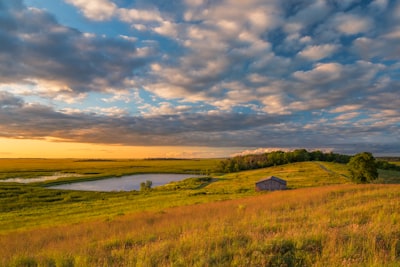
Demand for rural property is not uniform across the United States; it varies significantly by region. Texas land markets, for instance, show a very mixed picture. Some areas are booming while others are experiencing a slowdown, reflecting the diverse economic drivers within the state.
The Sun Belt, including states like Tennessee and the Carolinas, continues to see strong interest due to population growth. In contrast, some experts predict a cooling market in parts of the Southeast, like Florida, due to affordability issues. Meanwhile, the Midwest is gaining attention as a destination for buyers seeking more reasonably priced options.
Here’s a look at how different Texas regions are performing, highlighting the high prices and varied trends.
Gulf Coast–Brazos Bottom
- Median Price Per Acre: $10,289
- YoY Change: +11.04%
West Texas
- Median Price Per Acre: $2,662
- YoY Change: +12.89%
Austin–Waco–Hill Country
- Median Price Per Acre: $7,291
- YoY Change: +1.32%
Northeast Texas
- Median Price Per Acre: $8,419
- YoY Change: +1.69%
Far West Texas
- Median Price Per Acre: $559
- YoY Change: –18.04%
Types of Properties Available in the Texas Rural Real Estate Market
The Texas rural real estate market is as vast and varied as the state itself. You can find a wide range of properties to suit different needs and budgets, from working ranches to quiet weekend getaways. Farmland prices and values for recreational land can differ greatly depending on the region and specific features of the property.
Whether you're looking for a large tract of agricultural land or a small cabin in the woods, the Texas land market has something to offer. Let's explore some of the most common types of properties available for purchase.
Ranches, Farms, and Recreational Land
Texas is famous for its ranches, and these properties remain a cornerstone of the state's rural land market. Buyers can find everything from large-scale cattle operations to smaller "ranchettes" perfect for a family retreat. These properties often appeal to those interested in livestock, hunting, or simply owning a large piece of Texas.
Agricultural land, including cropland and pasture, is another major category. According to USDA data, Texas pasture values have seen strong year-over-year growth. While Texas farmland prices for cropland are lower than the national average, they offer an accessible entry point for those wanting to start farming.
Many potential buyers are also drawn to recreational land. These tracts are purchased primarily for activities like hunting, fishing, hiking, and camping. As demand for outdoor experiences grows, so does the value of land that offers these amenities, making it a popular choice in Texas land markets.
Single-Family Homes and Cabins
For those looking to make a permanent move to the country, single-family homes on rural acreage are a popular option. These properties offer the comfort of a modern home combined with the peace and space of a rural setting. They are often found in small communities or on individual tracts of land outside of town.
The demand for these homes has contributed to rising property values in many rural counties. As more people seek a lifestyle change, the appeal of a single-family home with a few acres of land continues to grow, influencing rural land prices in the process.
Cabins are another sought-after property type, especially for weekend getaways or vacation rentals. Whether it's a rustic log cabin in the Piney Woods of East Texas or a modern retreat in the Hill Country, these smaller homes provide an accessible way to enjoy the benefits of rural landownership without the commitment of a large farm or ranch.
Investment Land for Development or Conservation
Some buyers purchase rural property not for immediate use but as investment land. They see the potential for future development as cities expand and demand for housing grows. This is particularly common for land located on the outskirts of major metropolitan areas like Dallas-Fort Worth or Houston.
These investors are betting on long-term market trends, anticipating that land purchased today will be worth significantly more in the future. This type of investment activity plays a significant role in land markets, often driving up prices in areas projected to experience urban expansion.
On the other end of the spectrum, some investors purchase land for conservation purposes. These buyers aim to protect natural habitats, preserve scenic beauty, or establish wildlife management areas. This approach ensures that unique landscapes are protected from future development, providing a different kind of long-term value.
Essential Factors Influencing Prices in Texas Rural Land Market
When you're looking at rural land in Texas, you'll notice that land prices can vary dramatically from one property to the next. Several key factors contribute to this price growth and the overall market trends. It’s not just about the size of the tract; location, resources, and access all play a crucial part.
Understanding these elements is essential for making an informed decision, whether you're buying or selling. Let's break down the most important factors that determine the value of rural land across the Lone Star State.
Location and Proximity to Urban Centers (e.g., Houston, Dallas)
Location is perhaps the single most important factor influencing rural land values. The old real estate mantra of "location, location, location" holds just as true in the country as it does in the city. Proximity to major metropolitan areas like Houston, Dallas, or Austin can significantly increase property values.
Land that is within a reasonable commuting distance of a city is highly sought after by those who want a rural lifestyle without giving up access to urban amenities and jobs. This creates competition for land, especially between developers looking for space for urban expansion and individuals seeking a country home.
As a result, you will generally find higher land values for properties closer to these urban centers. As you move further away, prices tend to become more affordable, offering opportunities for buyers with different budgets and priorities.
Water Rights, Mineral Rights, and Land Use Regulations
Beyond location, what's on and under the land can drastically affect its value. In a state like Texas, water rights and mineral rights are critically important and can be more valuable than the surface land itself. Understanding who owns these rights is a crucial part of the due diligence process.
Land use regulations also play a significant role. Zoning laws, deed restrictions, and agricultural exemptions can all impact how you can use a property. These rules can determine whether you can build a home, run a business, or subdivide the land, making them a key consideration for any buyer.
When purchasing rural land, it's essential to investigate:
- Water rights: Does the property come with rights to groundwater or surface water?
- Mineral rights: Do you own the rights to any oil, gas, or other minerals beneath the surface?
- Land use restrictions: Are there any local or state regulations that limit what you can do with the property?
Infrastructure and Access Considerations
Having access to essential infrastructure is a practical consideration that heavily influences rural land values. A beautiful property is less desirable if it's difficult to reach or lacks basic utilities. Easy, year-round access via a paved or well-maintained gravel road is a major plus.
The availability of utilities like electricity, water, and internet service is another key factor. While some buyers seek off-grid properties, most prefer the convenience of established infrastructure. The cost to extend utility lines to a remote property can be substantial, impacting the overall cost of development.
As you evaluate a piece of rural land, pay close attention to its access and infrastructure. These elements not only affect your quality of life but also factor into the property's current market value and potential for future appreciation.
Conclusion
In conclusion, the rural real estate market is evolving rapidly, influenced by economic trends, lifestyle changes, and shifting buyer preferences. As more people seek the tranquility and space of rural living, understanding these dynamics becomes essential for both buyers and investors. The unique characteristics of rural properties, combined with critical factors affecting pricing, create a landscape ripe with opportunities. Whether you're looking to purchase a ranch, a cabin, or investment land, staying informed about these trends can guide you in making sound decisions. If you’re ready to explore the possibilities in Texas's rural real estate market, don’t hesitate to reach out for a free consultation today!