Key Highlights
- Washington D.C.’s real estate market features several fastest growing neighborhoods, offering exciting opportunities for homebuyers and investors.
- Areas like Navy Yard and the H Street Corridor are booming thanks to significant new construction and vibrant entertainment options.
- Neighborhoods such as Anacostia and Deanwood present great investment potential with historic charm and ongoing revitalization.
- Access to public transportation, including Metro stations, is a primary driver of growth and rising property values across the city.
- These communities attract young professionals and families, ensuring strong demand in the housing market.
- From waterfront luxury to family-friendly row houses, there’s a growing neighborhood to fit every lifestyle.
Introduction
Washington D.C. is more than the nation’s capital; it's a city with a dynamic and evolving housing market. While known for its monuments and political hubs, D.C. is also home to a collection of unique neighborhoods, each with its own character and story. The real estate landscape is constantly changing, with certain areas experiencing rapid growth and transformation. If you're looking to find your next home or investment, understanding these emerging hotspots is key to making a smart decision in this competitive market.
Explore the Fastest Growing Neighborhoods in DC Today
As new residents flock to the capital, the demand for housing has ignited remarkable urban development across different parts of the city. This has led to the rise of several fastest growing neighborhoods, each offering a unique blend of lifestyle, amenities, and opportunity.
From revitalized waterfronts to historic communities seeing new investment, these areas are at the forefront of D.C.'s housing market boom. Let's explore the neighborhoods that are capturing the attention of homebuyers and savvy investors alike.
1. Navy Yard – The Waterfront Boom and Urban Revitalization
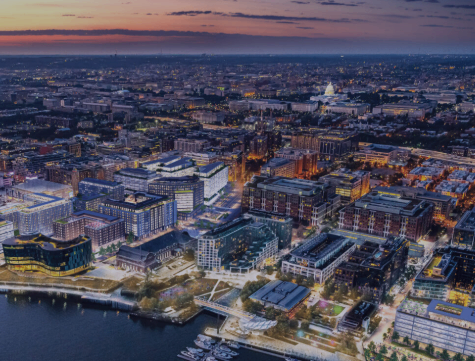
The Navy Yard has transformed from an industrial port into one of D.C.'s most sought-after districts. Situated along the Anacostia River, this area is a prime example of successful urban revitalization. The skyline is now dotted with new construction, including sleek residential towers and modern office buildings, attracting a vibrant community of young professionals.
This waterfront boom is fueled by a lively dining scene, numerous entertainment options, and scenic green spaces. The ongoing development has turned Navy Yard into a destination, not just a place to live. Its proximity to downtown and major employers adds to its appeal, making it a hub of activity.
For those interested in real estate investment, Navy Yard offers significant potential. The high demand for rental properties, combined with luxury appeal and impressive rental income potential, makes it a top choice for investors looking to capitalize on D.C.'s growth.
2. Eckington – Transit Expansion and Modern Developments
Eckington is steadily gaining recognition as a neighborhood on the rise, largely due to its strategic location and ongoing modernization. The area benefits greatly from its access to public transportation, including nearby Metro stations that provide a quick and easy commute to the heart of the city. This connectivity is a major draw for residents who value convenience.
In recent years, Eckington has seen an increase in modern developments, with new residential buildings offering contemporary amenities. This new construction is blending with the neighborhood's existing charm, creating a unique and appealing environment. The wave of development is bringing fresh energy and new residents to the community.
These improvements make Eckington an attractive target for real estate investment. As transit-oriented development continues to be a driving force in D.C.'s market, neighborhoods with strong public transportation links and new housing stock are positioned for sustained growth and increasing property values.
3. Anacostia – Historic Charm Meets New Investment
Anacostia is undergoing a remarkable transformation, blending its rich historic charm with a fresh wave of investment. Located east of the Anacostia River, this neighborhood is experiencing significant revitalization, making it one of D.C.'s most promising up-and-coming areas. Projects like the 11th Street Bridge Park and the redevelopment of the St. Elizabeths East campus are bringing new energy and amenities.
This renewal is attracting a diverse group of residents, including young professionals and artists, who are drawn to the area's affordability and sense of community. The neighborhood maintains its unique character while benefiting from new cafes, galleries, and green spaces, enhancing the quality of life for everyone.
With property values still more accessible than in other parts of the city, Anacostia offers tremendous investment potential. The combination of historic appeal, ongoing development, and growing demand suggests a bright future for this vibrant community.
4. Brookland – Academic Influence and Community Growth
Often called "Little Rome" due to its many religious institutions, Brookland is a neighborhood defined by its academic influence and strong sense of community. Home to Catholic University, the area has a stable rental market driven by students, faculty, and staff. This academic presence gives Brookland a uniquely intellectual and tranquil vibe.
Beyond the university, Brookland is experiencing exciting community growth. The Monroe Street Market, a mixed-use development near the Metro, has introduced new restaurants, retail spaces, and art studios, creating a new hub of activity. The neighborhood is known for its tree-lined streets and beautiful historic homes, appealing to young families and those seeking a more suburban feel within the city.
This blend of academic stability and new developments makes Brookland an attractive real estate option. It offers a quieter alternative to the downtown hustle while still providing urban amenities and steady investment returns.
5. Deanwood – Affordable Living and Infrastructure Upgrades
Deanwood is quickly becoming a go-to neighborhood for those seeking affordable housing options without sacrificing city access. Located in Ward 7, this area is attracting attention for its value and potential. Recent infrastructure upgrades, including a multi-million dollar renovation of the Deanwood Recreation Center, are significantly improving the quality of life for residents.
The neighborhood's location along the Orange and Silver Metro lines provides excellent public transportation, making commutes to downtown and other parts of the city seamless. This connectivity, combined with more accessible home prices, is drawing in young families and first-time homebuyers looking for a place to put down roots.
As one of D.C.'s best-kept secrets, Deanwood presents a compelling opportunity for both residents and investors. The ongoing public and private investment in the area signals a period of sustained community growth and rising property values.
6. Shaw – Cultural Renaissance and Real Estate Demand
Shaw has exploded into one of D.C.'s most dynamic neighborhoods, undergoing a cultural renaissance that has made it a hotspot for residents and visitors. Known for its historic roots and vibrant, edgy vibe, Shaw is brimming with trendy restaurants, live music venues, and boutique shops. This energetic atmosphere has fueled immense real estate demand.
The neighborhood attracts a diverse mix of young professionals and creatives who want to live in the center of the action. Its central location and proximity to multiple Metro lines make it incredibly convenient. The mix of beautifully restored row houses and new, modern apartment complexes offers a variety of housing options.
This surge in popularity has made Shaw's rental properties highly sought after. For investors, the combination of high rental demand, stylish amenities, and steady appreciation makes it a strong contender for a successful real estate investment.
7. Petworth – Family-Friendly Vibe and Rising Home Values
If you're looking for a neighborhood with a strong sense of community and a family-friendly vibe, Petworth is an excellent choice. This area offers a more relaxed pace compared to downtown, with charming row houses, local parks, and a growing number of small businesses. It's a place where neighbors know each other, creating a welcoming atmosphere.
Petworth has seen consistently rising home values, but it remains a relatively affordable entry point into the D.C. real estate market. This balance has made it particularly popular with young families and professionals who are looking for more space and a community-oriented lifestyle.
The neighborhood is serviced by the Green and Yellow Metro lines, ensuring residents have easy access to the rest of the city. With its blend of affordability, community, and appreciating property values, Petworth is an ideal choice for those looking to invest in a stable and growing community.
8. H Street Corridor – Entertainment, Dining, and Connectivity
The H Street Corridor has transformed into one of D.C.'s premier destinations for entertainment and dining. This vibrant stretch is packed with an eclectic mix of restaurants, bars, craft breweries, and live music venues, creating a lively atmosphere day and night. The annual H Street Festival draws crowds from all over the city, highlighting its cultural significance.
This area's growth has been supported by improved connectivity, most notably the DC Streetcar, which links the neighborhood to Union Station and the broader Metro system. This, combined with its high walkability, makes it easy for residents to get around. New developments have brought modern residential options, adding to the area's appeal.
The strong lifestyle factor makes the H Street Corridor a magnet for young professionals and renters. The constant buzz and convenient location ensure that real estate demand remains high, positioning it as a smart investment in a neighborhood that's full of life.
9. Capitol Riverfront – Business District and Residential Appeal
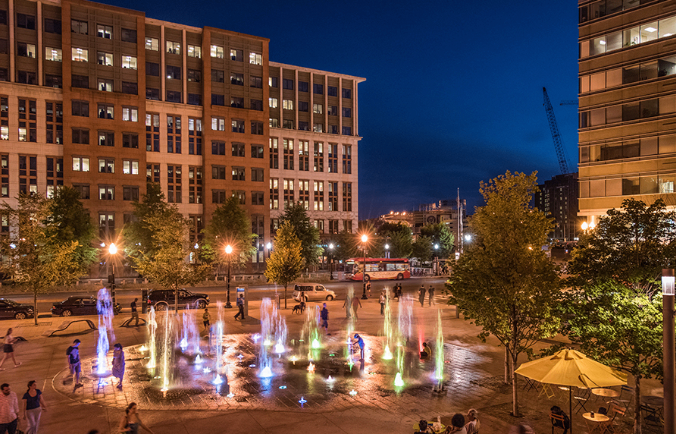
The Capitol Riverfront is a shining example of a neighborhood that successfully merges a thriving business district with strong residential appeal. This area, which includes the bustling Navy Yard, is now a major employment center, but it's also a place where people are eager to live. The synergy between work and life here is a huge part of its attraction.
Dozens of new residential projects have reshaped the skyline, offering modern living with stunning waterfront views. Residents enjoy easy access to Nationals Park, Audi Field, and an array of parks and riverfront trails. This blend of amenities makes for a convenient and exciting urban lifestyle.
For investors, the Capitol Riverfront is a prime location. The steady influx of professionals working in the area creates consistent demand for rental housing. An investment property here benefits from both the neighborhood's business-friendly environment and its high-quality residential living.
10. Columbia Heights – Diversity, Amenities, and Price Appreciation
Columbia Heights stands out for its incredible diversity and abundance of modern amenities. This neighborhood has experienced significant development in recent years, resulting in a vibrant mix of big-box retail, local boutiques, and a wide range of restaurants. Its high walkability score means that daily errands don't require a car.
The community is a melting pot of cultures, which is reflected in its food, shops, and lively streetscape. This diverse and inclusive atmosphere is a major draw for many new residents. The housing stock includes a mix of classic D.C. row houses and newer, amenity-rich apartment and condo buildings.
This combination of convenience, culture, and new development has led to strong demand and significant price appreciation. Columbia Heights has become a go-to for those who want an energetic, well-connected neighborhood with all the conveniences of modern urban living.
What Makes a DC Neighborhood One of the Fastest Growing?
What exactly turns a quiet neighborhood into one of D.C.'s hotspots? The fastest growing neighborhoods typically share a few key traits. It's often a perfect storm of economic opportunity, infrastructure improvements, and enhanced quality of life that attracts new residents and real estate investors.
This growth is rarely accidental. It's fueled by strategic investments in public transportation, the arrival of new businesses, and an influx of young professionals seeking community and convenience. Understanding these drivers is crucial to identifying areas with true investment potential. The following sections will break down these factors.
Economic Drivers: New Businesses, Employment, and Investment
One of the most powerful catalysts for neighborhood growth is a surge in economic activity. When new businesses open their doors, they don't just bring new services—they create jobs and signal confidence in the area's future. This attracts both residents who want to live near work and real estate investors looking for promising opportunities.
Commercial spaces, from trendy restaurants on H Street to new retail in Anacostia, generate foot traffic and create a vibrant street life. This commercial boom often leads to increased demand for housing, causing property values to rise. An area with new employment centers and a growing business community is a magnet for growth.
For anyone considering an investment property, tracking where new companies and retailers are setting up shop is a smart strategy. A neighborhood with a healthy mix of residential and commercial development is well-positioned for long-term, sustainable growth.
Infrastructure and Transit: Metro Lines, Walkability, and Access
In a city like Washington D.C., how you get around is everything. That's why infrastructure and public transportation are critical drivers of neighborhood growth. Areas with excellent access to Metro lines, frequent bus lines, and high walkability are consistently in high demand. This urban convenience is a top priority for many homebuyers and renters.
Neighborhoods like Congress Heights and Deanwood have seen their appeal skyrocket due to their placement on key Metro lines, offering residents a quick commute downtown. The ability to live without complete reliance on a car not only saves money but also promotes a healthier, more connected lifestyle.
Improvements in infrastructure, such as new bike lanes and pedestrian-friendly street designs, further enhance a neighborhood's attractiveness. This focus on accessibility is a clear indicator of an area's upward trajectory.
- Congress Heights — Access to Green Line Metro
- Deanwood — Proximity to Orange & Silver Lines
- H Street Corridor — DC Streetcar + high walkability
- Brookland — Brookland–CUA Metro Station (Red Line)
Conclusion
In conclusion, exploring the fastest growing neighborhoods in Washington, DC offers a glimpse into the vibrant transformation of the city. From the waterfront revival of Navy Yard to the cultural renaissance in Shaw, each neighborhood showcases unique attributes that contribute to its growth. Understanding the economic drivers, infrastructure advancements, and community dynamics can help you appreciate why these areas are becoming increasingly popular. Whether you're looking for a new home, investment opportunities, or simply want to experience the local culture, DC's evolving neighborhoods have something for everyone. Ready to dive deeper? Get in touch with us for more insights on these exciting areas!
Frequently Asked Questions
Which neighborhoods in DC have seen the highest home price growth recently?
Neighborhoods like Anacostia, the H Street Corridor, and Congress Heights have demonstrated some of the highest home price growth in recent years. Fueled by new development and infrastructure upgrades, these areas have seen property values appreciate at rates of 12% or more annually, outpacing many other parts of Washington D.C.
Are any DC neighborhoods especially popular with foreign investors?
Yes, certain D.C. neighborhoods are very appealing to foreign investors. Areas like Shaw, Brookland, and Dupont Circle attract international interest due to their stable rental markets, modern amenities, and strong investment potential. The city's global presence and economic stability make it a prime target for real estate investment from abroad.
How do locals describe the most noticeable changes in these fast-growing neighborhoods?
From a local perspective, the most noticeable changes include a surge in new developments, with modern apartment buildings and commercial spaces appearing. Residents often point to the community growth, the arrival of new restaurants and shops, and an overall improvement in the quality of life as these neighborhoods undergo urban development.