Key Highlights
- The increasing frequency of natural disasters, driven by climate change, is reshaping the housing market and real estate trends.
- After extreme weather events, there's a growing emphasis on building new homes with resilient and sustainable materials.
- Disaster recovery is becoming faster and more accurate thanks to technology like drones and AI-powered assessments.
- Government policies and economic incentives play a crucial role in post-disaster rebuilding efforts.
- Builders often face significant challenges, including supply chain disruptions and regulatory hurdles, during disaster recovery.
- Population movement after disasters influences housing demand, often shifting toward areas with perceived lower climate risk.
Introduction
When natural disasters strike, the path to recovery can seem daunting. The immediate focus is on safety, but soon, thoughts turn to rebuilding homes and communities. This process, however, is not as simple as just replacing what was lost. Today’s housing market reflects a complex interplay of new construction trends, economic forces, and a growing awareness of future risks. Understanding these post-disaster housing trends is essential for homeowners navigating the challenging journey of disaster recovery and building a more resilient future.
Overview of Post-Disaster Housing Trends in the United States
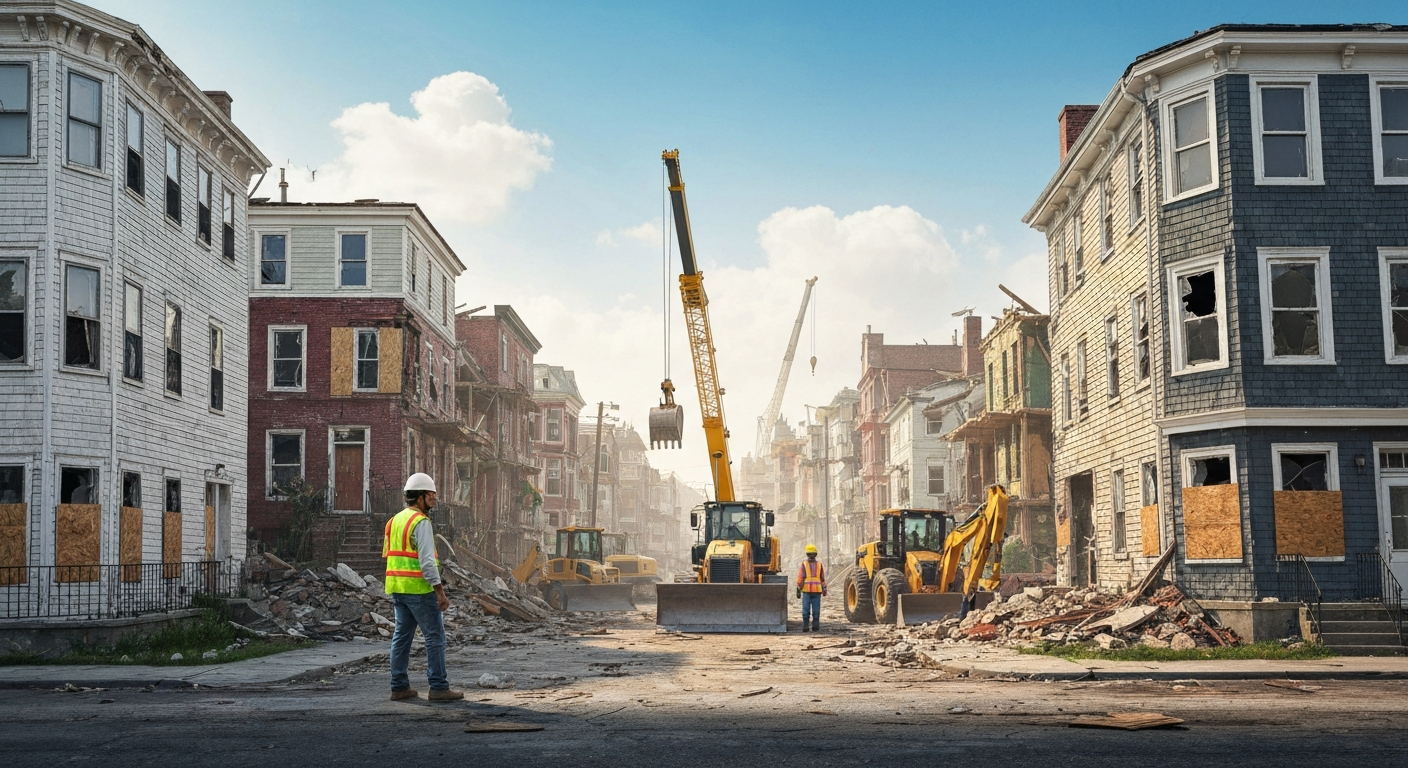
Across the United States, a clear pattern is emerging in the aftermath of extreme weather events. The real estate trends show a significant shift away from simply rebuilding and toward building back stronger and smarter. This change is influencing everything from construction materials to community planning.
This proactive approach in disaster response is driven by the hard lessons learned from past events. As communities face more frequent and intense storms, fires, and floods, the focus sharpens on long-term durability and safety. Let's look at how this affects new construction and population shifts.
New Housing Construction Patterns Following Major Disasters
Following a major disaster, the typical trend for new housing construction is a move towards resilience. Instead of rebuilding with conventional methods, there is a growing demand for new homes that can withstand future shocks. After events like Hurricane Harvey in Texas and Hurricane Sandy in the Northeast, architects and builders demonstrated that resilient homes could be built for the same cost as traditional ones.
This focus on resilience often involves incorporating materials and designs that respond to regional climate risks, such as high winds or flooding. For example, homes in hurricane-prone areas are now more frequently built with impact-resistant windows and elevated foundations. This shift is not just about safety; it also has financial benefits, as resilient properties can lead to significant savings on insurance costs.
Ultimately, the goal is to work with nature, not against it. This means preserving natural buffers like wetlands, using sustainable materials like harvested timber, and designing new homes that are better prepared for the next extreme weather event. This forward-thinking approach is becoming a cornerstone of post-disaster real estate.
Shifts in Housing Demand and Population Movement
Natural disasters often trigger significant population movement, which in turn reshapes housing demand and construction trends. In some cases, people move away from high-risk areas, seeking safer ground. However, a surprising trend has seen people moving into riskier but more affordable areas, often due to lower housing prices, at least initially. This creates a disconnect between perceived affordability and the true cost of living in a location prone to disasters.
In states like Florida, this dynamic is particularly evident. While the state has strong building codes, the rising cost and decreasing availability of insurance in coastal regions are beginning to influence where people choose to live. This can lead to a slowdown in new construction in the highest-risk zones as both builders and buyers weigh the long-term financial implications.
The search for affordable housing can inadvertently push populations into harm's way. As insurance costs rise to reflect the true climate risk, households that qualified for mortgages based on previously subsidized rates may face sudden financial strain. This instability highlights the need for transparent information about the total cost of homeownership, including insurance, when building or buying a new home.
Key Factors Influencing Housing Starts After Natural Disasters
The decision to build new homes after natural disasters is influenced by a host of powerful factors. From the financial calculations of investors and insurance companies to the policies set by government agencies, the pace and nature of disaster recovery in the housing market are carefully shaped.
These elements determine not only how quickly rebuilding begins but also how it is done. Understanding the economic incentives and government initiatives at play is key to grasping the full picture of post-disaster housing trends. We will now examine these two critical areas.
Economic Incentives and Investment Dynamics
Investors are increasingly recognizing that building resilient new housing in disaster-hit areas is a smart financial move. The investment dynamics are shifting because resilient buildings are simply more valuable. They attract high-quality tenants, are easier to finance, and reduce financial losses when the next disaster strikes. This is especially true for large portfolio owners in the single-family and commercial real estate sectors.
These large investors are helping to drive innovation in construction. They understand that building for durability is not just an added cost but a long-term asset. Key investment considerations include:
- Building for Resilience: Using materials and designs that can survive high winds, impacts, and floods.
- Operational Efficiency: Incorporating underground utility lines and energy-efficient systems to ensure properties remain functional after a storm.
- Reduced Risk: Locating new developments in areas with lower exposure to disasters or building them to mitigate those risks effectively.
This market-based argument is powerful. For property owners, a home built to these higher standards is not only safer but may also come with lower insurance premiums, making it a more secure investment for the future.
Government Policies and Reconstruction Initiatives
Government policies at the federal, state, and local levels profoundly affect housing start trends after major disasters. However, it's crucial for homeowners to understand that federal aid is often limited. FEMA assistance, for instance, is not designed to make a property owner whole and is no substitute for proper insurance coverage. This reality places a greater emphasis on state and local initiatives for effective restoration.
Many states and communities have developed their own programs to promote resilient reconstruction. These policies can range from grants for retrofitting existing homes to buyout programs that remove properties from the most vulnerable areas. Stronger building codes, like those in Florida that saved billions in damages during Hurricane Ian, are another powerful policy tool.
These initiatives directly influence how, where, and when new housing is built. Proactive policies can speed up recovery and ensure that communities are rebuilt to a higher standard, reducing future losses.
Policy Type — Agency/Level — Description
- Disaster Aid — FEMA (Federal) — Provides limited assistance for basic needs, not for full home replacement.
- Mitigation Grants — State (e.g., Strengthen Alabama Homes) — Offers funds to homeowners to upgrade roofs, windows, and doors for better wind resistance.
- Floodplain Buyouts — Local (e.g., Mecklenburg County, NC) — Voluntarily purchases and removes properties in high-risk floodplains to create open space.
Challenges Faced by Builders in Disaster-Affected Areas
Even with the best intentions, builders face a steep uphill climb when constructing new homes in disaster-affected areas. The push for greater resilience and sustainability brings its own set of hurdles that can slow down the rebuilding process and increase costs.
From securing necessary materials to navigating a complex web of regulations, the path to reconstruction is rarely straightforward. These challenges require careful planning and coordination for effective disaster preparedness and recovery. Let's explore some of the specific issues builders encounter.
Labor, Materials, and Supply Chain Issues
One of the biggest challenges builders face when starting new housing projects after disasters is the immense strain on the supply chain. The sudden, massive demand for restoration services, labor, and materials can lead to significant delays and price hikes. In a region hit by a hurricane or wildfire, everyone needs the same things at the same time.
This can create a bottleneck that slows recovery to a crawl. Homeowners and builders may find themselves waiting months for essential supplies or a qualified crew to begin work. This situation is often compounded by the complexities of processing insurance claims, which can delay the release of funds needed to purchase materials and hire labor.
Key supply chain challenges for builders include:
- Increased Demand: A surge in need for restoration services often outstrips local capacity.
- Longer Wait Times: Homeowners may face extended delays for assistance with everything from roof repairs to full reconstruction.
- Material Shortages: Essential building materials can become scarce and more expensive, impacting budgets and timelines.
Regulatory Barriers and Zoning Changes
The pace of new housing construction is heavily influenced by regulatory barriers and evolving zoning rules. While stronger building codes are essential for long-term safety, the process of updating and implementing them can sometimes slow down immediate rebuilding efforts. Policymakers and communities must wrestle with how to build back better without creating prohibitive delays.
After a disaster, local governments may reconsider land use in high-risk areas. This can lead to new zoning regulations or even buyout programs, like the one in Mecklenburg County, North Carolina, which removes homes from floodplains. While these adaptation strategies reduce future risk, they change the landscape for new construction and can be a lengthy process.
For builders, navigating this changing regulatory environment requires diligence. They must stay informed about new building standards, permit requirements, and land-use plans. The goal is to align new construction with a community's vision for a safer, more resilient future, but getting there can be a complex and time-consuming journey.
Conclusion
In summary, the rebuilding paradox highlights the complex dynamics of housing trends post-disaster. As communities strive to recover, they face numerous challenges and opportunities that influence construction patterns, demand, and affordability. Understanding these trends is crucial for stakeholders, including builders, policymakers, and residents, as they navigate the path toward resilient housing solutions. By keeping abreast of economic incentives, government initiatives, and the ongoing impact of climate change, we can better prepare for future rebuilding efforts. If you're interested in exploring how these trends affect your community, feel free to reach out for a consultation.