
Key Highlights
Choosing the right real estate broker is a foundational step for any real estate agent. To ensure you find a good fit, keep these key points in mind:
- Start by researching brokers in your local market, focusing on their reputation and online presence.
- The interview process is your chance to ask about the commission split, fees, and available training.
- Network with other agents to get firsthand accounts of a brokerage’s culture and support systems.
- Always ask for referrals from past clients to verify a broker's track record and communication style.
- Clearly define your career goals to find a brokerage that aligns with your specific needs.
Introduction
Whether you're a buyer, seller, or a new real estate agent, selecting the right broker is one of the most important decisions you will make. This choice can set the stage for a successful transaction or a thriving real estate career. A great brokerage provides the support, resources, and credibility you need to navigate the complexities of the local market. This guide will walk you through everything you need to know to find a real estate broker that perfectly aligns with your goals.
Understanding the Role of a Real Estate Broker in the United States
In the real estate industry, a real estate broker offers much more than just legal compliance. While every real estate agent is legally required to work under the supervision of a sponsoring broker, the right partnership can serve as a launchpad for your career.
Your brokerage should provide essential support systems that help you succeed, from mentorship to administrative resources. Understanding their role is the first step toward choosing a partner who will support your growth. The following sections explore the key differences between agents and brokers and why this choice is so significant.
Difference Between Real Estate Agents and Brokers
Many people use the terms real estate agent and real estate broker interchangeably, but they have distinct roles. A real estate agent holds a professional license to help people with a real estate transaction, but they must work under a supervising broker. Think of the broker as the one who oversees the agent's work and ensures all legal and ethical standards are met.
To become a real estate broker, an individual must first work as a real estate agent for a state-mandated period. After gaining this experience, they can complete further education and pass a specific broker's exam to obtain a real estate license for brokering. This advanced license grants them more autonomy, including the ability to operate their own brokerage and sponsor other agents.
Essentially, all brokers can be agents, but not all agents are brokers. This hierarchy ensures that every transaction is supervised by a professional with a higher level of experience and training, offering protection for both clients and agents. And since titles alone don’t tell you who actually performs best, platforms like TrueParity help homeowners compare both agents and brokers based on real, verified results.
Types of Real Estate Brokers: Residential, Commercial, and Dual Agency

Real estate brokers often specialize in certain niches, which can be a huge advantage for your real estate business. If you plan to focus on a particular area, it is better to choose a broker who is a real estate specialist in that field. They will have a stronger network, market knowledge, and resources tailored to your goals.
For instance, a broker might focus on residential real estate, helping clients buy and sell homes. Others specialize in commercial real estate, dealing with business properties. Some may even be known for expertise in luxury homes or new construction. A dual agent is one who represents both the buyer and seller in the same transaction, a role that requires careful navigation and transparency.
Choosing a specialist with a strong presence in your target market gives you instant credibility and access to expert support.
Broker Type List
- Residential Broker
- Focus Area: Buying and selling homes for personal use.
- Best For: Agents and clients focused on the housing market.
- Commercial Broker
- Focus Area: Buying, selling, or leasing business properties.
- Best For: Agents and clients in the corporate or investment space.
- Niche Specialist
- Focus Area: Luxury properties, new construction, or hobby farms.
- Best For: Agents and clients with very specific property goals.
Why Choosing the Right Broker Matters for Buyers, Sellers, and New Agents
For a new agent, choosing the right real estate broker is a career-defining move. A supportive brokerage provides mentorship, training, and lead generation resources that are crucial for building a successful real estate career. The company culture can also make a significant difference, determining whether you thrive in a competitive or collaborative environment.
For buyers and sellers, the brokerage an agent is affiliated with matters, too. A brokerage with a positive reputation and a good track record lends instant credibility to its agents. This can give you confidence that your transaction is being handled professionally and ethically. Aligning with a well-regarded brand can make the process smoother and more trustworthy.
Ultimately, the right broker ensures that agents have the tools to succeed and that clients receive the highest level of service. It’s a partnership that benefits everyone involved, from the first client meeting to the final closing.
Key Qualities to Look For in a Real Estate Broker
Finding the right real estate broker requires looking beyond the commission split. The best way to make an informed decision is to evaluate them based on key professional qualities that indicate their effectiveness and reliability.
You should pay close attention to their experience, communication style, and reputation in the industry. These factors will give you a clear picture of what it would be like to work with them and help you find a partner who truly supports your goals.
Experience and Track Record in Your Local Market
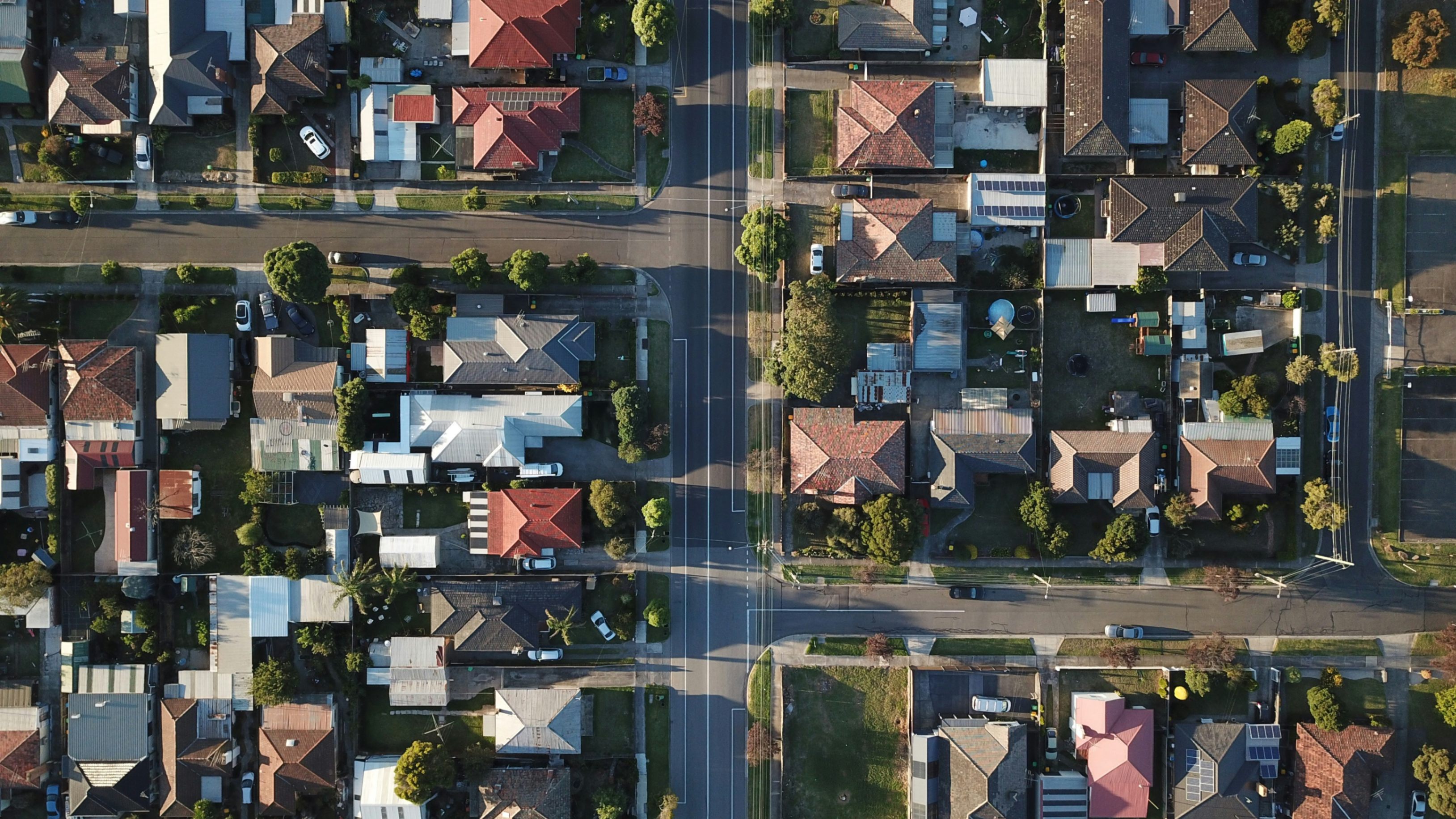
A broker’s experience and track record, especially in your local market, are powerful indicators of their competence. An experienced professional can help you navigate negotiations, evaluate properties, and identify potential warning signs you might otherwise miss. Knowing if a real estate broker is trustworthy often starts with verifying their history of success.
Look for a broker with a good track record of transactions in your specific area. Their familiarity with neighborhood trends, pricing, and inventory can provide a significant advantage. Don't hesitate to ask about their past sales and experience with properties similar to yours.
To verify their experience, you can:
- Ask for a list of recent sales in your target neighborhood.
- Inquire about how long they have been working in the real estate market.
- Check online reviews and testimonials from past clients to see what others say about their expertise.
Communication Style and Availability
Open and clear communication is the cornerstone of a successful relationship with your broker. Before committing, you need to understand their communication style and ensure it aligns with your expectations. You should feel confident that they will have enough time to dedicate to your needs and will be available when you need them most.
Discuss their preferred communication channels, whether it's phone calls, emails, or text messages, and agree on expected response times. This is especially important in a fast-paced market where a quick reply can make all the difference. Asking the right questions upfront can prevent a lot of frustration later on.
Some important questions to vet their communication style include:
- Will I be working with you directly or with a team?
- What is your typical response time for calls and emails?
- How will you keep me updated throughout the process?
Reputation, Reviews, and Referrals
A broker's reputation is one of your most valuable research tools. While online reviews and ratings are a great starting point, they should be combined with other sources to get a complete picture. Look at their social media presence, professional listings, and what other agents in the industry say about them.
Asking for referrals from past clients is another excellent way to gauge their performance. Speaking directly with someone who has worked with the broker can provide unfiltered insights into their strengths, weaknesses, and how they handle challenges. A confident broker should be happy to provide you with references.
To get a full sense of their reputation:
- Request contact information for at least one or two recent clients.
- Read online reviews on multiple platforms to look for consistent themes.
- Talk to other real estate professionals at networking events to learn about the broker's standing among their peers.
What You Need to Get Started When Choosing a Real Estate Broker
Before you begin your search for a broker, it’s important to do some prep work. For new agents, this journey starts after you've passed your real estate exam. Having a clear understanding of your own needs will make the selection process much smoother.
You should outline your real estate goals, know your budget, and identify your personal preferences for a work environment. With this information in hand, you’ll be ready to use research tools effectively and find a brokerage that is truly the right fit for you.
List of Your Real Estate Goals and Preferences

Understanding your personal and career goals is the first step to finding the right brokerage. Are you focused on maximizing your income, achieving a healthy work-life balance, or pursuing a leadership role? Your answers will guide your search and help you identify brokerages that align with your ambitions. New agents should look for brokerages that can support their specific path.
Your personal preference for a work environment is just as important. Do you thrive in a competitive, high-energy atmosphere, or do you prefer a more collaborative and supportive culture? Some agents flourish with the structure of a large franchise, while others prefer the flexibility of a boutique firm or a virtual brokerage.
To clarify your goals, consider the following:
- Do you want to specialize in a niche like luxury or commercial real estate?
- Are you interested in joining a team or working as an individual agent?
- What kind of training and mentorship support do you need to launch your real estate business?
Knowledge of Your Budget and Financing Options
For potential buyers, understanding your budget and financing options is a critical first step. Before you even start looking for a broker, it’s wise to get pre-approved for a loan. This shows agents that you are a serious buyer and gives you a clear idea of what you can afford. First-time buyers can find the right broker by looking for someone who is patient and skilled at guiding them through this financial process.
A good broker can also be a valuable resource in this area. They often have a network of trusted mortgage lenders they can refer you to, simplifying the process of securing financing. They can also help you estimate closing costs and other expenses associated with a property transaction, ensuring there are no surprises.
When preparing your finances, be sure to:
- Get pre-approved for a mortgage to establish your budget.
- Discuss your financial situation with potential brokers to see how they can assist.
- Ask for recommendations for mortgage lenders and other financial professionals.
Research Tools: Online Reviews, Ratings, and Recommendations
In today’s digital world, you have many research tools at your fingertips. Online reviews and ratings are a helpful starting point for evaluating brokers, but they should be viewed as just one piece of the puzzle. A broker’s social media presence can also reveal a lot about their brand, marketing style, and engagement with the community.
Beyond the internet, don’t underestimate the power of networking. Attending meetings held by your local association of realtors or other industry events allows you to gather firsthand information. You can speak with agents from different brokerages to get an unfiltered view of their company culture and support systems.
To make the most of your research, you should:
- Use search engines to find local brokerages and check their websites.
- Look at online reviews from both clients and agents for a balanced perspective.
- Connect with other professionals in the industry for personal recommendations.
Step-by-Step Guide to Finding the Right Real Estate Broker for Your Needs
Finding the right real estate broker doesn't have to be overwhelming. By breaking the process down into manageable steps, you can confidently compare different brokerages and find a good fit that aligns with your professional or personal goals.
This step-by-step guide will walk you through the essential actions, from initial research to final negotiations. Following these steps will help ensure you make a well-informed choice that sets you up for success.
Step 1: Research Local Brokers and Compare Services
Your search begins at your keyboard. Start by researching brokerages in your local market to see who the key players are. Pay attention to their online presence, market share, and reputation. This initial research will help you create a shortlist of potential firms to investigate further.
When you compare services, look at what each real estate brokerage offers its agents and clients. For agents, this includes training programs, marketing support, and technology like CRM systems. For clients, consider their marketing strategies for listings and their network of industry professionals. If you need a real estate specialist, find a brokerage with a strong presence in that niche.
To effectively compare brokerages, you should:
- Check their listings and social media pages to assess their marketing quality.
- Read reviews from both agents and clients.
- Note the services and resources each brokerage highlights on its website.
Step 2: Schedule Interviews and Ask Important Questions
The interview process is a two-way street. While the broker is interviewing you, you should also be interviewing them to ensure they are the right fit. Come prepared with a list of the right questions to gain a clear understanding of what they offer and what they expect from you.
Ask specific questions about everything from their experience to their support systems. For buyers and sellers, you might ask about their strategy for your real estate transaction or the average number of homes they sell per year. For agents, questions about lead generation, mentorship, and company culture are crucial.
Key questions to ask during the interview include:
- What is your commission split for new agents, and how can it increase over time?
- What training and marketing support do you provide?
- Can you describe the company culture and mentorship programs?
Step 3: Review Their Licensing, Credentials, and Specializations
Before finalizing your decision, it's essential to verify a broker's professional standing. Confirm that they hold an active real estate license in your state. This is a basic but critical step to ensure you are working with a qualified and legitimate professional. You can typically check this through your state's real estate commission website.
Beyond the basic license, look into their other credentials and specializations. For instance, a broker with a Certified Residential Specialist (CRS) designation has completed advanced training in handling residential real estate. Affiliation with professional organizations often means they are committed to a strict code of ethics, which is a strong indicator of trustworthiness.
To review their qualifications, you should:
- Verify their real estate license with your state’s regulatory board.
- Ask about any additional certifications or designations they hold.
- Inquire about their involvement in local or national real estate associations.
Step 4: Assess Their Market Knowledge and Network
A great broker possesses deep knowledge of the real estate market and current market conditions. They should be able to speak confidently about local trends, pricing strategies, and inventory levels. Choosing a broker who specializes in your area is often better because their focused expertise can give you a competitive edge.
Equally important is their professional network. A well-connected broker can refer you to reliable lenders, home inspectors, and other services needed for a smooth transaction. For new agents, a brokerage with a strong network may offer a valuable mentor program, connecting you with experienced agents who can guide you.
When assessing their knowledge and network, consider the following:
- Ask them to describe the current state of the local market.
- Inquire about their relationships with other industry professionals.
- For agents, ask specifically about mentorship opportunities within the brokerage.
Step 5: Evaluate Contracts, Fees, and Commission Structures

The financial aspect of your partnership with a broker is critical, so be sure to evaluate all contracts and fees carefully. For agents, this means understanding the commission split, which is the percentage of the commission you earn on a sale. You should also ask about any desk fees, administrative fees, or commission caps.
Remember that everything in real estate is negotiable. Don't be afraid to discuss the terms professionally. Research typical commission splits and fees in your market to understand industry standards. Be wary of brokers who are not transparent or propose unusual fee structures. All agreements should be clear and put in writing.
When evaluating the financial terms, be sure to:
- Ask for a detailed breakdown of all fees and costs.
- Clarify the commission split and if there are opportunities to increase it.
- Review all contracts carefully before signing.
Red Flags and Common Pitfalls When Selecting a Real Estate Broker
Choosing a real estate broker is a major decision, and it’s important to be aware of potential red flags. Recognizing warning signs early can help you avoid common pitfalls and prevent a difficult partnership down the road.
At the end of the day, a broker who demonstrates a lack of transparency or poor communication may not be the right partner for you. The following sections will highlight specific warning signs to watch for during your selection process.
Warning Signs of Inexperience or Poor Communication
Inexperience and poor communication are two of the biggest red flags when selecting a broker. A broker who cannot clearly answer your questions, seems disorganized, or is slow to respond may not provide the support you need. Pay attention to how they communicate during the interview process, as it is often a preview of your future working relationship.
A negative company culture can also be a warning sign. If you learn through networking that a brokerage has a high turnover rate or a toxic environment, it might be best to steer clear. A good brokerage should foster a supportive atmosphere and have effective customer relationship management practices.
Watch out for these warning signs:
- Vague answers to specific questions about their track record or support systems.
- Slow response times to your initial inquiries.
- A negative reputation among other agents in the local industry.
Issues with Transparency, Contracts, or Unusual Fee Structures
Complete transparency is non-negotiable when it comes to contracts and fee structures. A broker who is hesitant to provide a clear breakdown of costs or pressures you to sign a contract without reviewing it carefully is a major red flag. Every detail of your financial agreement should be easy to understand.
Be cautious of overly complex or unusual fee structures that seem out of line with industry standards. All terms related to your real estate transaction or agent sponsorship should be clearly documented in your contract. If something feels off, it probably is.
Look for these red flags related to transparency:
- Reluctance to put verbal promises in writing.
- Confusing contracts with ambiguous language.
- Pressure to make a quick decision without time for review.
Conclusion
Choosing the right real estate broker is crucial to achieving your property goals and ensuring a smooth transaction process. By considering the broker's experience, communication style, and local market knowledge, you can make an informed decision that fits your needs. Remember to research thoroughly, ask the right questions, and be aware of potential red flags during your selection process. The right broker will not only help you navigate the complexities of real estate but also provide valuable insights and support along the way. If you're ready to find a broker who can meet your unique needs, don’t hesitate to reach out for personalized guidance!