Key Highlights
- Successful house flippers buy undervalued properties, renovate them, and sell them quickly for a profit.
- Your investment strategy doesn't require personal funds; you can use flip loans from private and hard money lenders.
- A key to success is understanding the local real estate market to find the right opportunities.
- Always calculate potential profit margins by accurately estimating renovation costs and the property's after-repair value.
- Building a reliable team of professionals is crucial for a smooth and profitable flipping process.
Introduction
Have you ever dreamed of getting into real estate investing? House flipping can be an exciting and profitable venture if you approach it with the right knowledge and strategy. It involves more than just buying low and selling high; it requires a deep understanding of market conditions, a solid plan, and a bit of creativity. This guide will walk you through the entire process, from finding a property to cashing that final check, helping you start your journey in the world of house flipping.
Understanding House Flipping: The Basics
Before you jump into your first project, it's important to grasp the fundamentals of this unique investment strategy. House flipping is a specific type of real estate investment that focuses on short-term gains rather than long-term rental income.
Successful house flippers have a clear plan for buying, renovating, and selling properties efficiently. Understanding these basics will help you build a strong foundation for your future real estate investments and set you on the path to success.
What Does It Mean to Flip a House?
House flipping is a real estate strategy where you purchase a property not to live in as a primary residence, but to improve and sell for a profit as quickly as possible. The goal is to find an undervalued home, complete renovations that add value, and then sell it on the market for more than your total investment.
This process is intended to be a short-term project. Unlike other real estate ventures, the aim is to turn the property around within a few months to a year. This quick timeline helps maximize your profit margins and allows you to move on to the next deal.
For many new investors, flipping houses can be a good way to start in real estate. It provides hands-on experience in property valuation, project management, and market analysis. If done correctly, it can generate significant capital that you can reinvest into future flips or other types of investments.
How Do People Flip Houses in the United States?
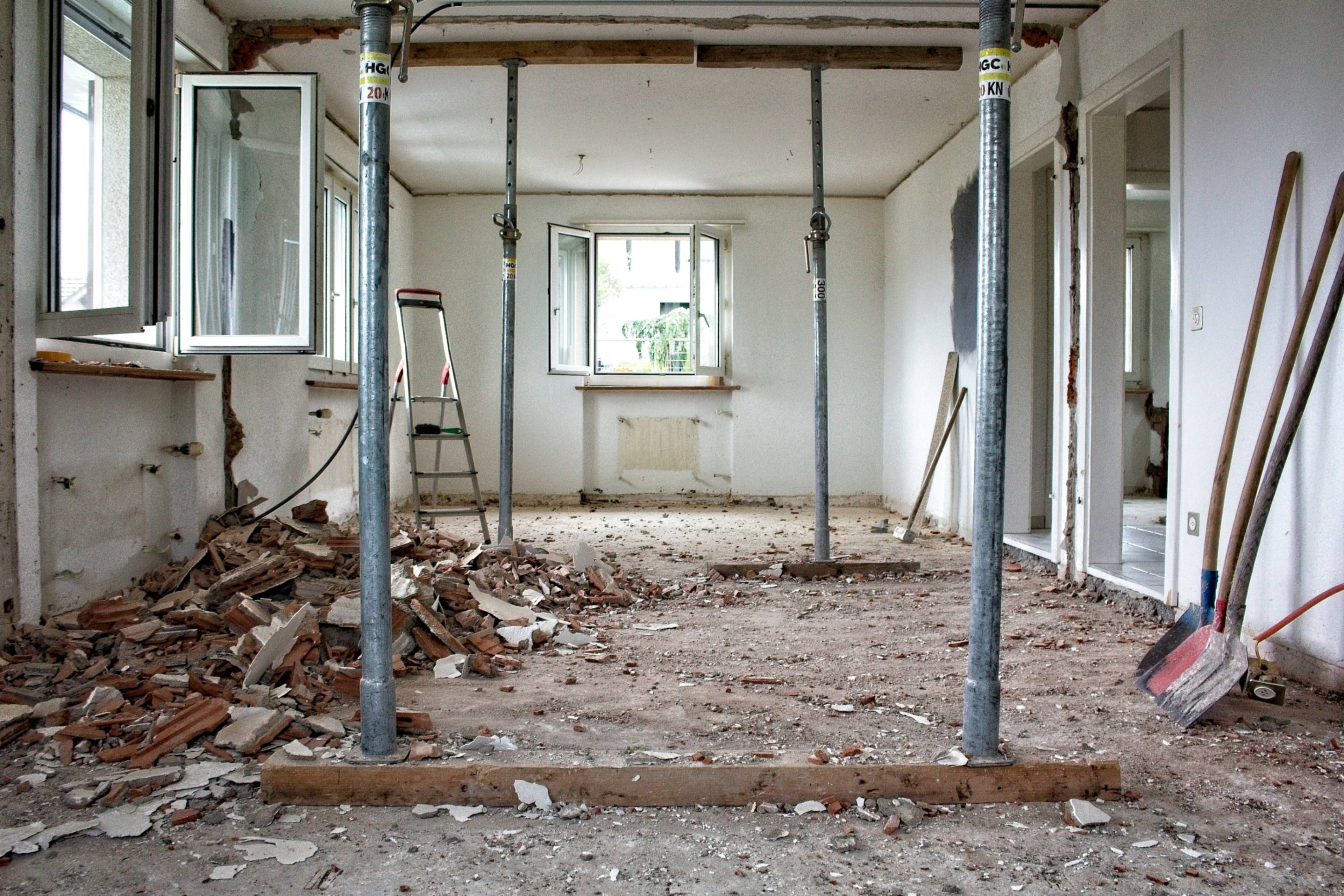
In the United States, flipping houses starts with identifying promising investment properties in the right real estate market. This often means looking for homes that are outdated, in disrepair, or aesthetically unappealing but are located in desirable neighborhoods where the market value is stable or rising.
Once you find a property, the next step is to secure financing, purchase it, and begin renovations. The key is to make strategic upgrades that will significantly increase the home's market value without overspending. This process turns a distressed property into an attractive home for potential buyers.
After the renovations are complete, the final step is to sell the house. A quick sale is essential for maintaining a healthy cash flow and maximizing your return. This involves effective marketing, staging, and pricing the home competitively to attract buyers and close the deal.
Is House Flipping Different From Other Real Estate Investments?
Yes, house flipping is quite different from other forms of real estate investments, such as owning rental properties. The primary distinction lies in the timeline and the source of profit. Flipping is designed for short-term gains, while owning rentals is a long-term strategy focused on generating steady cash flow over many years.
Market conditions can have a more immediate impact on house flippers. A sudden downturn could shrink your profit margins or make it difficult to sell the property. Rental property owners, on the other hand, can often wait out market fluctuations because they have tenants providing consistent income.
Here are a few key differences:
- Goal: Flipping aims for a one-time profit from a sale, while rentals focus on long-term cash flow.
- Timeline: Flips are usually completed in months, whereas rental investments can last for decades.
- Involvement: Flipping requires active, hands-on management of a renovation project, while managing rentals can be more passive.
The Beginner’s Guide: Getting Started With House Flipping
Getting started in house flipping can feel overwhelming, but with the right guidance, new investors can navigate the process successfully. The key is to prepare thoroughly before you even start looking for a property. This means understanding your financial situation, building a team, and knowing what resources you'll need.
This section offers essential investment advice for anyone new to the real estate flipping game. Let's explore what you'll need to begin, the resources that can help you succeed, and how to assemble a professional team to support your projects.
What You’ll Need to Start Flipping Houses
Contrary to popular belief, you don't necessarily need a lot of your own money to start flipping houses. Many successful investors begin by using other people's money. However, you do need a solid financial plan and access to capital, whether it's from a loan, a partner, or another source.
What's more important than cash is a detailed renovation plan. Before you buy, you must have a clear scope of work that outlines every repair and upgrade needed. This plan will help you create an accurate budget and timeline, which are critical for securing financing and ensuring the project stays on track.
Ultimately, the amount of money needed varies greatly depending on the property and the financing you secure. Some loan programs might cover both the purchase and renovation, while others may require you to have some funds for a down payment or initial costs. The key is to have a plan, not necessarily a huge bank account.
Essential Equipment and Resources for First-Time Flippers
To maximize your profit, you need more than just a property and a plan. You need the right resources and tools at your disposal. A skilled real estate agent is one of your most valuable assets. They can help you find undervalued properties and, later, sell your renovated home quickly for top dollar. Using TrueParity, you can identify agents with a proven track record in investment properties, ensuring you’re working with someone who consistently delivers results.
Reliable contractors are another essential part of your team. Good contractors will complete high-quality work on time and within budget, which is crucial for controlling your renovation costs. You'll also need access to financing, whether through traditional loans, private lenders, or leveraging the home equity in your current residence.
Here are some essential resources for your first flip:
- An experienced real estate agent who understands the investor market—and whose performance can be verified through TrueParity.
- A network of trustworthy contractors, plumbers, and electricians.
- Access to financing options like hard money loans or private capital.
- Budgeting software or apps to track all expenses and stay on plan.
Building Your House Flipping Team (Contractors, Agents, Inspectors)
You can't flip a house alone. Success in this business depends on building a team of reliable real estate professionals. Your team should include a real estate agent, a general contractor, and a thorough home inspector. Each member plays a vital role in protecting your investment.
Your real estate agent helps you find deals and sell the finished product. Your contractors are responsible for the physical transformation of the property, so it's critical to vet them carefully. A good inspector is your first line of defense, identifying potential issues before you buy that could derail your budget and timeline.
Before you start, you should also consider legal and financial factors by consulting with an attorney or accountant. These professionals can help you structure your business, understand tax implications, and ensure all contracts and agreements are sound. Having a solid team of experts is a crucial step in safeguarding your project from legal and financial pitfalls.
Step-by-Step Guide: How to Flip a House Successfully
Now that you understand the basics, it's time to look at the step-by-step process successful house flippers follow. This structured approach helps minimize risk and maximize your chances of turning a profit. From market research to selling the property, each stage is critical.
Following a proven system is what separates seasoned investors from beginners. Let's walk through each step, including creating a renovation plan, analyzing the deal, and navigating changing market conditions to ensure your flip is a success.
Step 1: Research the Local Real Estate Market

Your journey begins with research. Understanding the local real estate market is fundamental to finding a profitable flip. Look for up-and-coming neighborhoods with growing employment, new development projects, and rising property values. These are signs of a healthy market with strong buyer demand.
Analyze recent sales data to see how quickly homes are selling and at what prices. A seller's market, where homes sell fast, is ideal because it reduces the risk of holding onto your property for too long. Pay attention to market conditions like interest rates, as they can influence buyer affordability and overall demand.
Good properties to flip are often found in areas where prices are still low enough to make renovation costs worthwhile. By researching the local real estate landscape, you can pinpoint specific zip codes or communities that offer the best potential for a high return on your investment.
Step 2: Secure Your Financing (Even With Little Cash)
You can absolutely flip a house with little or no money, and the key is finding the right financing options. While a good credit score helps, many lenders focus more on the quality of the deal than your personal finances. This opens up opportunities for new investors.
One of the best ways to finance your first flip is by working with private lenders or hard money lenders. These lenders specialize in short-term loans for real estate investors and can often provide funding quickly. They are more flexible than traditional banks and are willing to finance properties that need significant repairs.
Here are a few ways to finance your flip with minimal starting cash:
- Hard Money Loan: Asset-based loans with higher interest rates but fast approval.
- Private Lenders: Individuals in your network willing to fund your deal for a return.
- Partnerships: Team up with an experienced investor who provides the capital.
- Wholesaling: Secure a contract on a property and sell it to another investor for a fee to build capital.
Step 3: Find Properties to Flip (How to Flip Properties That Sell)
Finding the right property is a skill. You need to look beyond standard real estate listings to find homes with a low enough purchase price to leave room for profit. The best flips are often properties that are cosmetically outdated or in need of repairs but are structurally sound.
To find good deals, you need to know where to look. This includes searching for foreclosures, attending property auctions, or finding off-market deals through networking. An experienced real estate agent can also give you access to properties before they hit the public market.
The key is to find a property whose post-renovation market value will be significantly higher than your total investment. The right property isn't always the cheapest one; it's the one that offers the greatest potential for a profitable transformation in a desirable location.
Step 4: Analyze the Deal and Apply the 70% Rule
Once you find a potential property, you need to analyze the numbers to see if it's a good deal. A popular guideline used by flippers is the 70% rule. This rule states that you should pay no more than 70% of the property's after-repair value (ARV), minus the estimated renovation costs. The ARV is what the home could sell for after you've fixed it up.
The formula helps you determine your maximum purchase price to ensure you have a healthy profit margin. Keep in mind that the 70% rule is just a guideline. You should always adjust it based on your local market, holding costs, and desired profit.
Step 5: Make an Offer and Negotiate Terms
After analyzing the deal and determining your maximum offer price, it's time to make an offer. This is where strong negotiation skills come into play. Your real estate agent will be a huge asset in this stage, helping you craft a competitive offer and negotiate with the seller.
When you make an offer, you're not just negotiating the price. You're also negotiating the terms of the sale, such as the closing date and any contingencies. For example, you should always include an inspection contingency to protect yourself from unforeseen structural issues that could destroy your budget.
It's also important to have your financing lined up before making an offer, as this shows the seller you are a serious buyer. Be prepared to discuss your loan terms and provide proof of funds. Before signing any contracts, have a real estate attorney review them to ensure all legal factors are properly addressed and your interests are protected.
Step 6: Plan Renovations for Maximum ROI
To maximize your profit margins, your renovation plan must focus on changes that provide the highest return on investment (ROI). Not all upgrades are created equal. You want to focus on improvements that buyers in your market value most, rather than over-personalizing the space.
Your renovation plan should be detailed, outlining every task, material, and cost. Kitchen and bathroom remodels typically offer the best ROI, but simple cosmetic updates like fresh paint, new flooring, and modern light fixtures can also dramatically improve a home's appeal without breaking the bank.
Here are some tips to maximize your profit:
- Focus on curb appeal: A new front door or simple landscaping makes a great first impression.
- Update kitchens and baths: These are the rooms that sell houses.
- Keep it neutral: Use neutral colors and timeless finishes to appeal to the broadest range of buyers.
Step 7: Manage the Rehab Process Efficiently
Efficiently managing the renovation is key to protecting your profit. The rehab process should follow the detailed scope of work you created earlier. Sticking to this plan helps prevent project delays and keeps your budget in check. However, always set aside a contingency fund of 10-20% for unexpected costs.
Clear communication with your contractors is essential. Hold regular meetings to check on progress, address any issues immediately, and ensure everyone is on the same page. A well-managed project moves smoothly and avoids costly mistakes or rework.
To maximize profit, manage your timeline as tightly as your budget. Every day you hold the property, you incur costs like insurance, utilities, and loan payments. A fast, efficient renovation process gets your property on the market sooner, which means you get paid sooner. This is a great way to keep your project profitable.
Step 8: Stage and Market the Property for a Fast Sale
Once the renovations are complete, it's time to get the house ready for sale. Professional staging can help potential buyers visualize themselves living in the home and can often lead to a faster sale at a higher price. Staging highlights the property's best features and makes it feel welcoming.
Your real estate agent will lead the marketing efforts, but your involvement is still important. This includes ensuring high-quality photos are taken, writing a compelling property description, and pricing the home correctly to reflect its new market value. An effective marketing strategy is crucial for attracting interested buyers.
Here are some tips for effective staging and marketing:
- Declutter and depersonalize: Create a clean, neutral space.
- Invest in professional photos: High-quality images are essential for online listings.
- Price it right: Work with your agent to set a competitive price that attracts offers.
Step 9: Sell the House and Calculate Your Profit
The final step is selling the house and reaping the rewards of your hard work. After accepting an offer, you'll go through the closing process. This involves inspections, appraisals, and legal paperwork. Your due diligence during the buying phase should help this process go smoothly.
Once the sale is complete, it's time to calculate your final profit. To do this, subtract all your expenses from the final sale price. This includes the purchase price, renovation costs, holding costs (insurance, utilities, taxes), and selling costs (agent commissions, closing fees).
The remaining amount is your gross profit. Remember to set aside money for taxes, as your earnings may be subject to capital gains tax. Analyzing your final profit margins on each deal will provide valuable lessons that you can apply to your next flip, helping you to refine your strategy and maximize future profits.
Creative Ways to Finance Your First House Flip
Don't let a lack of cash stop you from starting your house-flipping journey. There are many creative financing options available that don't require you to use your own savings. Savvy investors know how to leverage other people's money to fund their deals.
From hard money and private lenders to real estate crowdfunding, you have several paths to secure the capital you need. Understanding these different financing options will empower you to find the right solution for your first project and get your foot in the door of the real estate world.
Using Hard Money and Private Lenders
Hard money lenders and private lenders are excellent resources for flipping houses with little to no money down. These lenders are not traditional banks; they are companies or individuals who provide short-term, asset-based loans for real estate deals. They focus on the property's potential value rather than your personal credit history.
A private money lender could be anyone with extra cash and a desire to invest, while hard money lenders are typically specialized lending companies. Both options come with higher interest rates than conventional loans, but they offer speed and flexibility, allowing you to close on a deal quickly before someone else does.
Here’s what to expect:
- Higher Interest Rates: Rates can range from 8% to 15% or more.
- Short Loan Terms: Loans are typically for six months to two years.
- Focus on the Deal: Lenders are more interested in the property's after-repair value than your personal income.
Crowdfunding and Partnering With Investors
Another great way to use other people’s money is through real estate crowdfunding platforms. These online sites connect investors with individuals who want to fund real estate projects. You can present your deal and raise the necessary capital from a pool of investors, each contributing a small portion of the total loan.
Partnering with an experienced house flipper is also a smart move. If you find a great deal but lack the funds, you can bring the opportunity to a partner who provides the capital. In this arrangement, you might manage the project while your partner funds it, and you both share in the profits.
This approach offers flexible terms and allows you to learn from a seasoned pro. As long as you bring value to the partnership—whether it's finding the deal or managing the renovation—you won't need your own cash to get started.
Home Equity Loans and Seller Financing Options
If you're a homeowner, you may be sitting on a source of funding. You can tap into your home's equity through a home equity loan or a home equity line of credit (HELOC). This allows you to borrow against the value of your current home to finance your flip, providing a lump sum of cash for the purchase and renovation.
Seller financing is another creative option. In this scenario, the property seller acts as the lender. You make payments directly to them instead of a bank, often with more flexible terms and a smaller down payment. You'll sign a promissory note outlining the loan agreement.
This option can be ideal depending on your financial situation and the seller's willingness to finance the deal. It allows for more negotiation on terms and can be a great way to secure a property without involving a traditional lending institution.
Finding Profitable Properties to Flip
The success of your flip hinges on finding the right investment properties. A profitable deal starts with a property that has untapped potential and is located in a market with strong buyer demand. This requires you to look in places where other buyers might not think to search.
Identifying a potential property is both an art and a science. It involves understanding market conditions, knowing what to look for in a house, and having a keen eye for value. Let's explore where to search for these hidden gems and how to choose the right location.
Where to Search for Good Deals (MLS, Auctions, Off-Market)
To find good deals, you need to expand your search beyond typical real estate listings. While the Multiple Listing Service (MLS) is a good starting point, the most profitable flips are often found elsewhere. You need to be proactive in your search for undervalued properties.
Auctions are a great place to find distressed properties, but they can be competitive and require you to have financing ready. Off-market deals are another excellent source. These are properties that aren't publicly listed and can be found through networking, direct mail campaigns, or driving through neighborhoods looking for vacant or neglected homes.
Here are some places to search for deals:
- Real Estate Auctions: Find foreclosed or bank-owned properties.
- Wholesalers: Connect with wholesalers who specialize in finding off-market deals for investors.
- Networking: Build relationships with real estate agents, attorneys, and other professionals who may know of potential properties.
How to Flip My House: Choosing the Right Location
The old real estate mantra "location, location, location" is especially true for house flipping. The right property in the wrong neighborhood is a recipe for a financial loss. You need to choose a location where buyers want to live and where property values are on the rise.
Research the local real estate market to identify neighborhoods with good schools, low crime rates, and proximity to amenities like parks and shopping. These factors make an area desirable and will help you sell your renovated home quickly. Pay close attention to market conditions and development plans in the area.
Even a beautifully renovated house will be hard to sell if it's in a declining neighborhood. The goal is to find the "worst" house in the "best" neighborhood. This strategy ensures that the surrounding home values will help lift the market value of your property after you've fixed it up.
Special Considerations for Flipping Houses in States Like California
Yes, there are special considerations when flipping houses in certain states. High-cost states like California present unique challenges and opportunities. The real estate market is often more competitive, and property prices are significantly higher, which means you'll need more capital to get started.
You'll also need to be aware of specific state laws and regulations. California, for example, has complex permitting processes and strict building codes that can add time and expense to your renovation. Property taxes are also higher, which increases your holding costs and can eat into your profit margins.
Despite these challenges, high-demand markets like California can offer substantial profits if you do your homework. It's crucial to work with local experts who understand the specific state laws and market dynamics. Factoring in these additional costs and complexities is essential for a successful flip in a competitive state.
Common Mistakes to Avoid When Flipping Houses
While house flipping can be very rewarding, it's also filled with potential pitfalls, especially for beginners. Making a few common mistakes can quickly turn a promising project into a financial nightmare. A successful investment strategy involves knowing what not to do.
From miscalculating your budget to skipping important legal steps, these errors can lead to unexpected costs and erase your profits. By learning about these common mistakes ahead of time, you can take steps to avoid them and keep your project on track.
Overestimating Profits and Underestimating Costs
One of the most common mistakes new flippers make is being overly optimistic about their profit margins. It's easy to get excited about a property's potential and overestimate its after-repair value. At the same time, beginners often underestimate the total renovation costs, forgetting to account for every little expense.
This combination is a recipe for disaster. To avoid this, be realistic and conservative in your calculations. Research comparable sales thoroughly to get an accurate ARV, and create a detailed budget for all renovation costs. Always add a contingency fund of at least 10-20% to cover unexpected costs that will inevitably arise.
Issues like hidden water damage, foundation problems, or outdated electrical systems can quickly inflate your budget. A detailed inspection can help identify some of these issues, but having a financial cushion for surprises is non-negotiable.
Skipping Inspections and Legal Steps
In the rush to close a deal, some investors are tempted to skip crucial steps like home inspections. This is a massive mistake. A professional inspection can uncover serious problems that could cost you thousands of dollars down the road. Skipping this part of your due diligence is a gamble you can't afford to take.
Similarly, ignoring legal steps can lead to significant trouble. This includes failing to pull the proper permits for renovations, not having written contracts with your contractors, or not understanding zoning laws. These oversights can result in fines, work stoppages, and legal disputes.
To protect yourself, always take these steps:
- Hire a qualified home inspector: Never waive the inspection contingency.
- Consult with real estate professionals: Work with an attorney to review all contracts.
- Follow all local regulations: Ensure you have the correct permits before starting any work.
Conclusion
In conclusion, successfully flipping houses requires a blend of knowledge, strategy, and the right resources. By understanding the basics of house flipping, building a reliable team, and following a step-by-step approach, you can navigate the complexities of the real estate market with confidence. Remember to conduct thorough research, secure financing wisely, and avoid common pitfalls that can derail your efforts. With dedication and perseverance, flipping houses can turn into a rewarding venture. If you're ready to take the plunge into house flipping, don’t hesitate to reach out for a free consultation to help guide your journey!