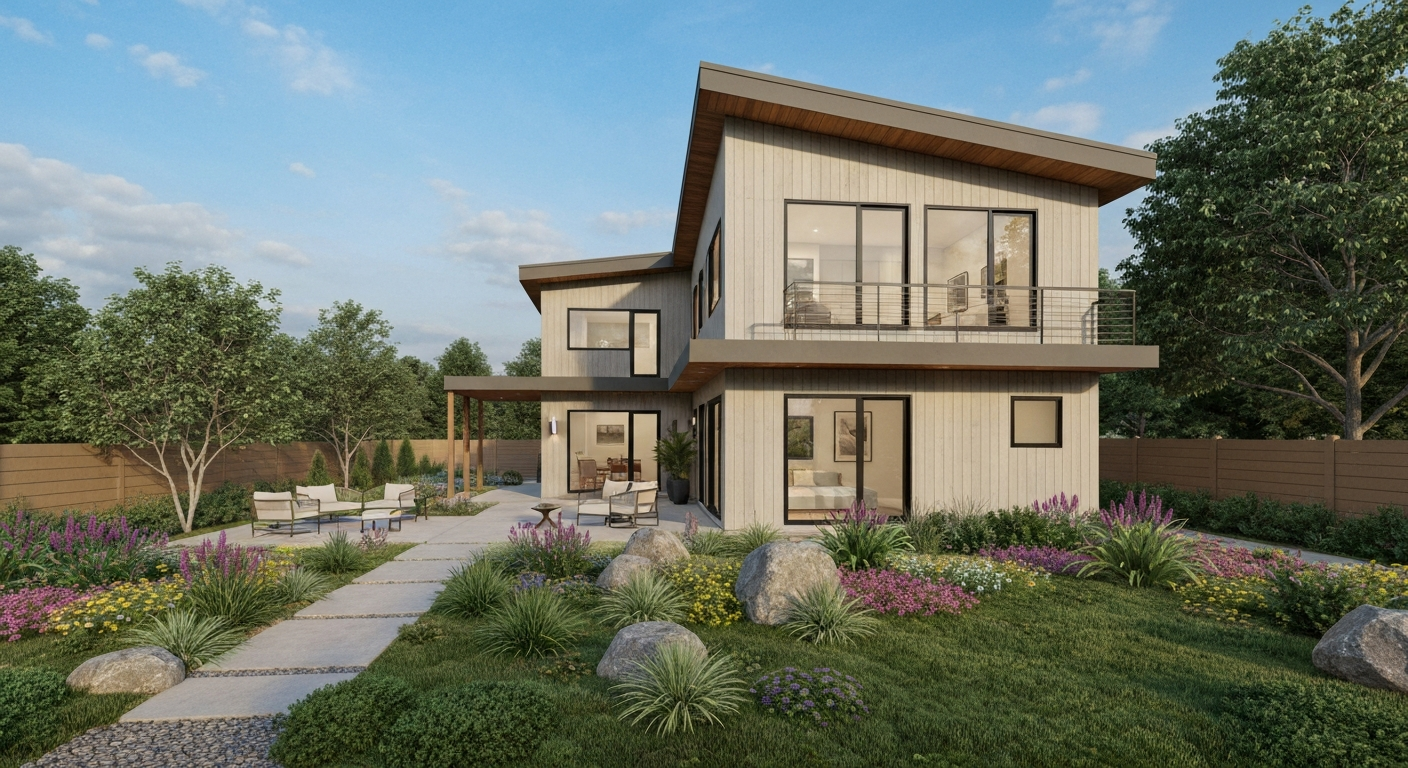
Key Highlights
- An accessory dwelling unit (ADU) can significantly boost your property value, with some homes seeing a 35% price increase.
- ADUs are a fantastic source of rental income, helping you cover mortgage payments or build wealth.
- Your ADU project can be tailored to your needs, with options ranging from detached units to garage conversions.
- Investing in an ADU can improve your home's resale value, making it highly attractive to future buyers.
- Various financing options are available to help you fund the construction of your new unit.
- The return on your investment depends on factors like location, quality, and local market demand.
Introduction
Have you heard the buzz about Accessory Dwelling Units (ADUs) and wondered if they’re a smart move for your property? These versatile structures are gaining popularity across the real estate landscape, and for good reason. Many homeowners are asking the same question: Is building an accessory dwelling unit a worthwhile investment that truly increases a home’s value? This guide will explore the financial benefits, costs, and key considerations to help you decide if an ADU is right for you.
Understanding ADUs: What Are They and Why Consider One?
An Accessory Dwelling Unit, often called a granny flat or in-law suite, is a secondary housing unit on a single-family residential lot. You can create this additional living space by converting an existing space, like a garage, or by building a new structure in your backyard. The primary purpose is to add functional, independent living quarters to your property.
Why should you consider one? The benefits of ADUs are impressive. They can provide affordable housing for family members, like aging parents or adult children, or serve as a dedicated home office. For homeowners looking to generate additional income, an ADU can be a lucrative rental in a competitive rental market, helping to increase the value of your home while providing extra space. Just be sure to check your local regulations first.
Types of ADUs: Detached, Attached, Garage Conversions, and More
When planning your ADU, you have several types to choose from, each with unique advantages. The most valuable type of ADU is often a detached unit, as it offers the most privacy for both you and your tenants. Attached units are another popular option, sharing a wall with your main home and often being more cost-effective to build.
Garage conversions and basement conversions transform existing square footage into a new rental unit or living space. While these don't add new square feet to your property's total, they are typically less expensive to construct. The right type of ADU for you depends on your budget, lot size, and intended use.
Here are some common ADU types:
- Detached ADUs: Standalone structures like backyard cottages or a tiny home.
- Attached ADU: An addition that shares at least one wall with the primary house.
- Garage Conversion: Transforming your garage into a complete living unit.
- Junior ADU (JADU): A smaller unit (under 500 sq ft) created within your main home.
- Prefab ADUs: Units built off-site and delivered to your property for installation.
Recent Trends and Growing Popularity of ADUs in the United States
Since 2020, ADUs have seen a massive surge in popularity across the United States. With an estimated 100,000 new units being built each year, they have become a significant part of the new construction landscape. This trend is driven by high demand in the housing market for more flexible and affordable housing options.
In cities like Los Angeles, where the rental market is incredibly competitive, ADUs are seen as a practical solution to housing shortages. This growing demand makes ADU construction a strong investment for homeowners looking to capitalize on their local market. The potential to increase a property’s value while generating rental income is a powerful combination in today's real estate market.
With careful planning, building an ADU can be a financially savvy move. As more people recognize their benefits, the rental potential and resale value of properties with ADUs are expected to continue climbing, solidifying their place as a smart home improvement project.
Is an ADU a Good Investment for Homeowners?
Without a doubt, building an ADU is a strong investment for most homeowners. ADUs offer a dual financial advantage: they can significantly increase your property value and provide a steady source of income through rentals. This impressive ROI makes an ADU project one of the most effective home improvement ventures in the current real estate market.
Whether you use it to generate passive income, house family members, or simply add extra space, an ADU enhances your property’s value and utility. ADUs offer a solution to housing needs while boosting your home's value and creating positive cash flow. Assessing the financial benefits and understanding the impact on your property value are the first steps to making an informed decision.
Assessing the Financial Benefits: Rental Income Potential
One of the most attractive aspects of building an ADU is its potential to generate significant rental income. In areas with a competitive rental market and high demand, the monthly cash flow from an ADU can be substantial, sometimes even enough to cover your entire mortgage payment. This makes it a powerful source of passive income.
You can choose to offer long-term leases for stable, predictable income or tap into the short-term rental market through platforms like Airbnb for potentially higher earnings, depending on local regulations. This flexibility allows you to adapt your strategy to what works best for your financial goals and location.
Maximizing your ROI starts with understanding what renters want. ADUs offer several key advantages that make them a great investment:
- They provide a reliable source of additional income.
- They address the need for affordable housing options in your community.
- They increase your overall property value.
- They offer flexible living space for personal or rental use.
Comparing Building on Primary Home vs. Investment Property

Deciding where to build your ADU—on your primary home or a separate investment property—involves different considerations. Building on your primary home allows you to use your home equity to finance the project and oversee construction closely. It also gives you the flexibility to house family or use the space yourself.
On the other hand, adding an ADU to an existing investment property can maximize its rental potential and cash flow. While the price tag for construction costs remains, you can amplify the returns from a property you already own purely for financial gain. The first step is to assess your goals for the ADU.
Here’s a quick comparison to help you decide:
- Financing
- Building on Primary Home: Easier to access home equity loans.
- Building on Investment Property: May require separate construction loans.
- Use
- Building on Primary Home: Flexible for family, personal use, or rent.
- Building on Investment Property: Primarily focused on maximizing rental income.
- Oversight
- Building on Primary Home: You are on-site to manage the project.
- Building on Investment Property: Requires remote management or a property manager.
- Resale Value
- Building on Primary Home: Increases the value of your main residence.
- Building on Investment Property: Boosts the value of your investment portfolio.
Impact of an ADU on Property Value and Resale
Adding an ADU to your property is one of the most reliable ways to increase its value. In today's real estate market, homes with ADUs are in high demand and are often priced 35% higher than comparable homes without them. This significant boost to your home value makes an ADU project a smart home improvement.
This increase in property value translates directly to a higher resale value when you decide to sell. Buyers are attracted to the added square feet, the potential for rental income to create cash flow, and the flexible living options a detached ADU or conversion provides. Understanding just how much value an ADU adds can help you appreciate its long-term financial benefits.
How Much Value Does an ADU Add to Your Home?
So, how much value does an ADU really add? The increase in your home's value is often tied to the added livable square footage. For example, if homes in your area sell for $500 per square foot, a new 500-square-foot ADU could theoretically add $250,000 to your home's value. However, a more realistic estimate is that an ADU can increase your property value by about 30%.
The type of ADU also plays a role in how much value it adds. Detached ADUs, such as backyard cottages, tend to add the most value because they offer more privacy and independence. An attached ADU is the next most valuable, followed by an interior conversion like a garage conversion.
Ultimately, any well-constructed ADU will boost your property's resale value. Appraisers will consider the quality of the home improvement, the added functionality, and the income potential when determining your home's new worth, making it a powerful investment.
Regional Differences in ADU Impact Across the United States
The impact of an ADU on your property value is not the same everywhere; regional differences play a huge role. Your location is a key factor, as the value add is greatest in areas with a strong local market and high housing costs, such as Los Angeles or other major metropolitan centers.
In these high-demand areas, the rental market is often very competitive, making an ADU an incredibly lucrative addition. For instance, in Houston, a home with an ADU is valued at over $355,000 more on average than a home without one. This demonstrates how a hot housing market can amplify an ADU's financial return.
Before building, it's wise to consult a local real estate agent. They can provide insight into what types of ADUs are most sought-after in your neighborhood and help you navigate local regulations. This ensures your project aligns with market demands, maximizing its positive impact on your home value.
Key Factors That Influence the ROI of an ADU Project
Achieving a great return on investment (ROI) from your ADU project depends on several key factors. Beyond the initial ADU costs, things like your property’s location, the size and design of the unit, and the quality of construction all play a crucial role in determining its long-term profitability and impact on your property's value.
Careful planning is essential to balance construction costs with the potential for rental income and increased home value. By focusing on the right elements, you can ensure your new living space delivers the best possible financial returns. Let's look closer at how location, design, and quality affect your ADU's success.
Importance of Location and Neighborhood Demand

Location is everything when it comes to maximizing your ADU's investment potential. Building in a neighborhood with high demand for housing ensures you’ll have a steady stream of interested renters and that your property value will see a significant boost. The strength of your local market directly influences how much you can charge for rent.
A thriving rental market means your ADU can provide a solution for affordable housing while generating excellent returns. Neighborhood demand also affects resale value, as buyers are willing to pay a premium for properties with income-generating potential in desirable areas. Regional differences can be stark, so what works in one city may not in another.
Before you build, research your area. Is it close to public transit, universities, or job centers? Answering these questions will help you confirm that your location can support a successful and profitable ADU, making it a sound investment for years to come.
Size, Design, and Quality of Construction Considerations
The size, design, and quality of construction are critical factors that determine the value of an ADU and its overall ROI. A well-built unit with durable materials will attract higher-paying tenants and require fewer long-term maintenance costs. The quality of the home improvement reflects directly on its perceived value.
Thoughtful design choices can make a small square footage feel spacious and highly functional. Open layouts, ample natural light, and modern finishes create a more desirable livable space. The size also matters—larger units may command higher rent, but smaller, efficiently designed spaces can offer a better return relative to their lower construction costs.
To maximize the value of an ADU, focus on:
- High-Quality Finishes: Invest in durable flooring, countertops, and fixtures.
- Full Amenities: Units with full kitchens and bathrooms are far more valuable than those with kitchenettes or half-baths.
- Energy Efficiency: Good insulation and energy-efficient appliances attract tenants and lower utility costs.
Costs and Financing Options for Building an ADU
Understanding the financial side of an ADU project is a critical first step. The ADU costs can vary widely depending on the type, size, and location, but it's important to have a clear picture of the potential price tag. Construction costs are the largest expense, but don't forget to budget for permits, design fees, and utility hookups.
Fortunately, there are several popular financing options available to help homeowners fund their ADU. From tapping into your home equity to securing specialized construction loans, you can find a path that fits your financial situation. Let's explore the typical expenses and how you can pay for them.
Typical Expenses Homeowners Should Expect
When budgeting for an ADU, it’s important to account for all typical expenses beyond just the construction costs. The final price tag will include a range of fees that are essential for a legal and high-quality home improvement project. These ADU costs ensure your new construction meets all local codes and is ready for occupancy.
Remember that costs can fluctuate based on your location, the complexity of the build, and the finishes you choose. Additionally, your property taxes will likely increase after the project is completed, as the assessed value of your home will be higher. Planning for these expenses upfront will help you manage your budget effectively.
Here is a breakdown of common ADU expenses:
- Design & Engineering — Fees for architects and engineers to create plans.
- Permit Fees — Costs paid to your local municipality for building permits.
- Construction Costs — Labor and materials for the build (foundation, framing, etc.).
- Utility Hookups — Fees for connecting water, sewer, and electricity.
- Finishes & Appliances — The final touches like flooring, paint, and kitchen appliances.
Popular Financing Methods for ADU Projects
Funding your ADU construction is more accessible than you might think, with several financing options available to homeowners. The right choice depends on your financial situation, the amount of equity you have in your home, and the total price tag of your project. Exploring these loan options can turn your ADU dream into a reality.
Many homeowners leverage their property value by using their home equity. This is often one of the most straightforward ways to secure funds at a competitive interest rate. Construction loans are another excellent choice, designed specifically for new building projects.
Here are some of the most popular financing methods:
- Home Equity Loan or HELOC: Borrow against the existing equity in your home.
- Cash-Out Refinance: Refinance your current mortgage for a larger amount and use the extra cash for the ADU.
- Construction Loan: A short-term loan that covers the costs of building, which is often refinanced into a traditional mortgage upon completion.
Conclusion
In conclusion, investing in an Accessory Dwelling Unit (ADU) can be a wise decision for homeowners looking to enhance their property value and generate rental income. With a variety of ADU types and growing popularity across the United States, these units offer flexibility and numerous financial benefits. However, it's essential to consider key factors such as location, design, and construction quality to maximize your return on investment. Whether you're aiming to create extra living space or simply increase your property's appeal, ADUs can provide significant advantages. If you’re interested in exploring your options further, don’t hesitate to reach out for a free consultation to discuss how an ADU can fit into your investment strategy!