Introduction
Middle Eastern architecture and home decor offer a world of timeless beauty, rich detail, and deep cultural meaning. This unique charm comes from a blend of function and elegance, reflecting the traditions and climate of the region. From intricate patterns to peaceful courtyards, every element of Arabic interior design tells a story. In recent years, this style has gained global popularity, inspiring homeowners to bring its warmth and comfort into their own spaces. Are you ready to explore what makes this design so special?
The Cultural Significance of Middle Eastern Homes
The design of a Middle Eastern home is deeply intertwined with its cultural and religious heritage. It's more than just aesthetics; it’s a reflection of values, community, and faith. The essence of Middle Eastern culture is hospitality and family, which directly influences the layout and decor of the home.
Arabic designs often feature traditional elements rooted in Islamic culture, creating spaces that are both beautiful and spiritually significant. This connection between daily life and faith is a cornerstone of the region's design philosophy. Let's look closer at how these influences take shape.
The Influence of Religion and Traditions on Design Choices
Faith and Islamic culture are central to Middle Eastern interior design. Many key features found in these homes are direct expressions of spiritual beliefs. For instance, the use of intricate geometric patterns often represents the infinite nature of creation, a concept that avoids figurative imagery in traditional Islamic art.
Another powerful influence is the use of Arabic calligraphy. Verses from the Quran or poetic phrases are gracefully integrated into the decor as wall art or carvings. This not only adds aesthetic appeal but also brings a sense of spirituality and grace into the interior spaces. These traditional motifs are not just decorations; they are meaningful symbols that connect the home to a rich heritage.
Ultimately, these design choices create an environment that promotes peace, reflection, and a connection to faith. By incorporating these elements, a home becomes a sanctuary that speaks to both personal and cultural identity, blending beauty with profound meaning.
Social Gatherings and Majlis: Heart of the Home
At the core of Middle Eastern hospitality is the "majlis," a dedicated space for social gatherings. This room is truly the heart of the home, designed to welcome guests and foster a sense of community. The interior design of a majlis is focused on comfort, warmth, and conversation, encouraging a sense of harmony.
The layout typically features low seating arranged around the perimeter of the room, often with plush cushions and luxurious fabrics. This setup ensures that everyone feels included and can interact easily. A central coffee table often serves as a focal point for serving refreshments. This arrangement is one of the most iconic design elements of a traditional Arabic home.
Key features of a majlis often include:
- Low-slung sofas or floor cushions for comfortable, informal seating.
- Rich, layered textiles like Persian rugs and embroidered pillows.
- Ornate coffee tables, sometimes with metalwork or carved details.
- Soft, ambient lighting from lanterns or sconces to create a welcoming mood.
Signature Architectural Elements in Middle Eastern Houses
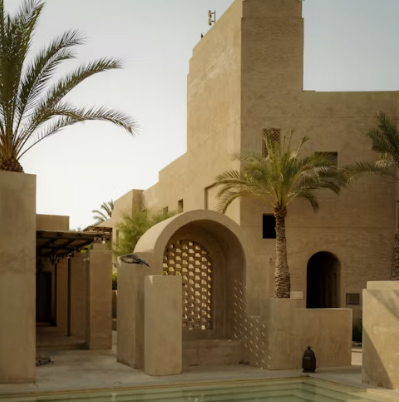
Middle Eastern architecture is instantly recognizable due to its iconic architectural features. These elements are not just for show; they are a practical response to the climate while adding incredible beauty and character. Arches, domes, and detailed screens are hallmarks of Arabic home design, creating a unique visual language.
These traditional patterns and shapes have been passed down through centuries, but they are also constantly being reinterpreted. Modern takes on these styles might use new materials or simplified forms, but they retain the spirit of the original design. Let’s explore some of the most prominent features you'll find.
Courtyards, Arched Doorways, and Ornate Windows
Among the most iconic elements of a home in the Middle East are its courtyards, arched doorways, and ornate windows. The central courtyard, or "sahn," is a private oasis that provides natural light and ventilation while offering a peaceful retreat from the outside world. It serves as a gathering space for families and helps keep the home cool.
Arched doorways and windows add a sense of grace and elegance to the structure. These curves are a signature of Islamic-influenced architecture, softening the lines of the building and creating beautiful entryways and frames for views. In addition to arches, you'll often find "mashrabiya," which are intricate wooden lattice screens on windows that provide privacy and shade while allowing air to circulate.
These features are both functional and decorative, showcasing a clever approach to design that balances beauty with practicality.
Architectural Feature — Primary Function & Description
- Central Courtyards: Provide privacy, natural cooling, and a central space for family gatherings.
- Arched Doorways: Add aesthetic beauty and reflect the soft, flowing lines of Islamic design.
- Ornate Windows: Often feature mashrabiya screens for shade, privacy, and decorative detail.
Decorative Patterns, Intricate Tilework, and Calligraphy
Decorative artistry is fundamental to Middle Eastern design, with intricate patterns, vibrant tile work, and beautiful calligraphy playing a significant role. Instead of depicting figures, traditional Islamic art focuses on complex geometric and floral patterns, known as arabesques. These mesmerizing designs can be found on walls, floors, ceilings, and furniture.
Tile work, or "zellige," is particularly famous, featuring hand-cut tiles fitted together to form elaborate mosaics. This technique adds stunning color and texture to spaces like courtyards, kitchens, and bathrooms. Alongside these patterns, Arabic calligraphy is used as a high art form, with verses or poetry adorning walls and decorative objects to add a layer of spiritual elegance.
These decorative elements are central to the style's identity. Typically, you will find:
- Geometric patterns representing infinity and order.
- Arabesques featuring swirling floral and vine motifs.
- Detailed tile work in starbursts and other repeating shapes.
- Artistic renderings of Arabic calligraphy.
Middle Eastern Color Palettes in Interior Design
Color plays a vital role in Middle Eastern interior design, creating atmosphere and defining spaces. The palettes are often inspired by the surrounding landscape, featuring warm earthy hues that evoke the desert sands. These neutral backdrops create a sense of calm and spaciousness.
However, the design is also known for its use of vibrant colors. Bold accents in rich jewel tones are layered in to add a touch of luxury and energy. This beautiful contrast between subtle and striking shades is a hallmark of the style. Below, we'll examine how these colors come together.
Earthy Hues, Jewel Tones, and Bold Accents
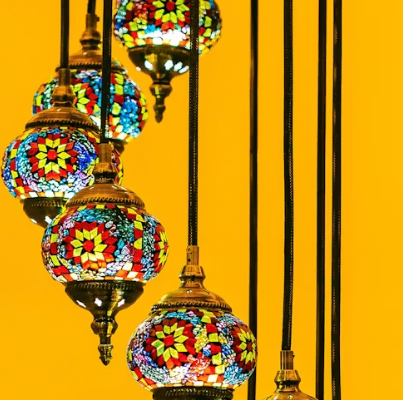
The color palette of a Middle Eastern home is a rich tapestry woven from different sources of inspiration. The foundation often consists of earthy hues drawn from the natural landscape. Think of warm shades like sand, beige, cream, and terracotta. These colors create a serene and inviting atmosphere that feels grounded and peaceful.
To contrast this neutral base, designers introduce luxurious jewel tones. These bright colors add opulence and visual interest. Deep blues, emerald greens, ruby reds, and rich purples are used as accent colors in textiles, tiles, and art pieces, making the space feel vibrant and alive. Metallic accents, especially gold, brass, and copper, are also used to reflect light and add a touch of glamour.
This combination creates a balanced and dynamic interior. Common color choices include:
- Earthy Hues: Cream, beige, taupe, and brown.
- Jewel Tones: Sapphire blue, emerald green, and ruby red.
- Bold Accents: Gold, brass, and deep purple.
- Spicy Shades: Terracotta, burnt orange, and mustard yellow.
Using Color to Define Space and Atmosphere
In Middle Eastern design, color is more than just a decorative choice; it's a tool for shaping interior spaces and creating a specific mood. Neutral, earthy tones are often used on walls and large surfaces to make a room feel open and airy. This creates a calm backdrop that allows other decorative elements to shine.
Vibrant colors are then used strategically to define different areas or add energy. For example, a recessed wall niche might be painted a deep blue to highlight it as a focal point, or a seating area could be filled with ruby-red cushions to make it feel cozy and inviting. This thoughtful placement of color helps guide the eye and create a sense of harmony throughout the home.
By balancing soothing neutrals with pops of bold color, you can craft an atmosphere that is both relaxing and visually stimulating. This approach allows you to build layers of interest, ensuring that every corner of the room contributes to the overall design story.
Materials and Textures Unique to Middle Eastern Furniture
Texture is a key ingredient in Middle Eastern design, bringing depth and warmth to every room. The style emphasizes the use of natural materials that are both beautiful and durable. Hand-carved wood, gleaming metals, and rich fabrics are combined to create a feast for the senses.
This focus on tactile surfaces is evident in everything from furniture to decorative accessories. The intricate textile work and detailed craftsmanship add a layer of authenticity and luxury. Let’s take a closer look at the specific materials that give this design its unique character.
Carved Wood, Rich Textiles, and Elegant Metalwork
Three materials are particularly prominent in Middle Eastern interior decor: wood, textiles, and metal. Carved wood is a staple, appearing in furniture, doors, window screens (mashrabiya), and ceiling panels. The intricate carvings often feature geometric or floral motifs, showcasing incredible craftsmanship and adding a layer of detailed texture.
Rich textiles are used generously to bring color, softness, and luxury into a space. Think of handwoven Persian rugs, silk cushions, embroidered wall hangings, and plush drapery. These fabrics are often layered to create a cozy and opulent feel.
Elegant metalwork, especially in brass, copper, and silver, adds a touch of sparkle. This is most commonly seen in lanterns, coffee tables, mirrors, and decorative trays. The reflective surfaces help distribute light and add a hint of glamour.
Popular materials include:
- Dark, heavy woods like walnut and rosewood for carving.
- Rich textiles such as silk, velvet, cotton, and wool.
- Metals like brass, copper, and tin for lanterns and inlays.
- Mother-of-pearl inlays for decorative boxes and furniture.
Natural Stone and Luxurious Fabrics for Comfort
Beyond wood and metal, natural stone plays an important role in Middle Eastern home decor. Materials like marble and travertine are often used for flooring, countertops, and in courtyards. Not only are they beautiful, but they also help keep interiors cool in a warm climate, making them a practical choice.
Comfort is paramount, and this is where luxurious fabrics come into play. The design philosophy embraces layering different textiles to create a soft, inviting environment. Silk, wool, and cotton are popular choices for everything from upholstery and curtains to throws and cushions. These materials add texture and warmth, inviting you to relax.
The combination of cool, smooth stone with soft, plush fabrics creates a perfect balance of textures. This contrast is key to achieving the style's signature blend of elegance and comfort, making the home a true sanctuary.
Blending Modern Luxury with Traditional Middle Eastern Style
You don't have to choose between past and present. Many modern interiors in the Middle East masterfully blend traditional design with contemporary luxury. This fusion honors cultural roots while creating spaces that are functional for today's lifestyles, resulting in a sophisticated sense of opulence.
The key is to find a balance, allowing classic elements and modern conveniences to coexist harmoniously. This approach to interior design produces homes that are both timeless and current. Here’s how you can achieve this beautiful mix in your own space.
Integrating Contemporary Lighting and Smart Features
One of the most effective ways to blend luxury with tradition is through contemporary lighting. While traditional lanterns add ambiance, modern light fixtures can provide better functionality and a sleek aesthetic. You can use recessed LED lighting to highlight architectural features like an arched doorway or a textured wall.
Integrating smart features also adds a layer of modern luxury. Imagine controlling the lighting, temperature, and even curtains with the touch of a button. These technologies can be seamlessly incorporated into a traditional setting without disrupting the classic feel, enhancing comfort and convenience in modern homes.
This approach allows you to enjoy the best of both worlds. You get the warmth and beauty of traditional interior design with the ease and sophistication of modern living. Consider these ideas:
- Use spotlights to illuminate beautiful calligraphy or art pieces.
- Install dimmer switches on traditional lanterns for mood control.
- Choose sleek, minimalist fixtures that complement ornate patterns.
- Hide speakers and other tech within custom-built wooden cabinets.
Mixing Classic Motifs with Minimalist Elements
Achieving a luxurious blend of old and new is all about balance. You can successfully mix classic motifs with minimalist elements by allowing each style to have its own space to breathe. For example, in a room with clean lines and simple furniture, a single, ornate Persian rug or a wall with intricate traditional patterns can become a stunning focal point.
Don't feel the need to cover every surface with decoration. Instead, be selective. Choose one or two classic motifs to feature prominently and keep the rest of the interior spaces relatively uncluttered. A minimalist background makes traditional elements feel even more special and impactful, preventing the room from feeling overwhelming.
This "less is more" approach allows you to celebrate the beauty of traditional patterns while maintaining a fresh, modern aesthetic. The contrast between simple forms and intricate details creates a dynamic and sophisticated look that defines contemporary Middle Eastern luxury.
Designing Floor Plans and Layouts for Middle Eastern Inspired Homes
The floor plan of a home is its foundation, and in Arabic house design, it’s planned with family, hospitality, and climate in mind. Traditional layouts often revolve around a central, private space, while modern interpretations may favor a more open space concept.
The goal of the interior design is to create a layout that flows naturally and supports both private family life and social entertaining. Let's explore some popular floor plan ideas that capture the essence of this welcoming architectural style.
Maximizing Space with Central Courtyards
A classic and popular layout idea in Middle Eastern architecture is the home built around a central courtyard. This ingenious design serves multiple purposes. It acts as a private outdoor living room, shielded from the public eye. It also functions as a natural cooling system, allowing hot air to rise and escape while drawing cooler air into the surrounding rooms.
In a modern floor plan, the courtyard can be enclosed with large glass walls or doors, creating a seamless connection between indoors and outdoors. This approach maintains the concept of a central focal point while adapting it to a contemporary lifestyle, flooding the home with natural light and creating a feeling of open space.
Whether traditional or modern, the courtyard-centric layout is a hallmark of the style. It maximizes usable space by turning the center of the home into a functional and beautiful area for relaxation, gardening, or entertaining, making it a truly versatile design solution.
Creating Flow for Family and Entertaining
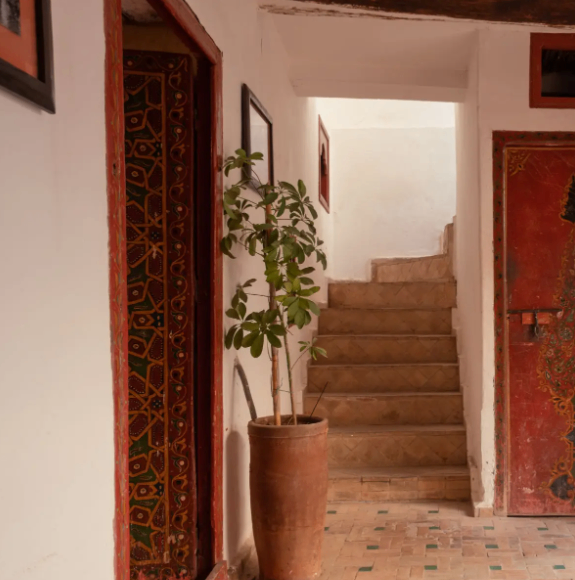
A successful Middle Eastern-inspired home is designed for effortless flow between family life and entertaining. The interior design prioritizes creating distinct yet connected zones for different activities. This ensures that the home feels welcoming and functions smoothly, whether you're hosting a large gathering or enjoying a quiet family evening. A great design creates a sense of harmony.
The majlis, or formal sitting room, is often placed near the entrance to welcome guests without disturbing the private family areas. The family living spaces might be more centrally located, connected to the kitchen and bedrooms. This thoughtful separation provides privacy while still allowing for easy movement throughout the home.
To enhance the flow for family and entertaining, consider these points:
- Use wide, arched doorways to connect rooms and create an open feel.
- Arrange furniture to encourage conversation and easy circulation.
- Create a smooth transition from indoor living areas to the outdoor courtyard.
- Use consistent flooring and color palettes to unify different zones.
Incorporating Middle Eastern Design in Small Spaces
You don’t need a sprawling villa to enjoy the beauty of Middle Eastern interior decor. The principles of this style can be adapted wonderfully to small Arabic house design and compact apartments. The key is to be selective with your elements and focus on creating a big impact with a few key pieces.
By choosing flexible furnishings and using color and light strategically, you can evoke the warmth and richness of the style without overwhelming your space. Let’s look at some practical ways to bring this design into a smaller home.
Flexible Furnishings and Multi-Functional Decor
When working with small spaces, flexible furnishings are your best friend. Instead of bulky sofas, consider low-profile seating or floor cushions that can be easily moved or stacked away. This not only saves space but also captures the authentic, relaxed feel of a traditional majlis.
Multi-functional decor is another smart choice. A beautifully carved wooden chest can serve as both a coffee table and a storage unit. A set of nesting tables can be spread out when guests visit and tucked away for daily life. This approach ensures that every item in your home is both beautiful and practical.
By focusing on versatility, you can incorporate many decorative elements without cluttering your home. Here are a few ideas:
- Use decorative poufs that can act as footrests, extra seating, or side tables.
- Choose a large, ornate mirror to create the illusion of a larger space.
- Hang a single, stunning lantern as a focal point instead of multiple lights.
- Opt for wall hangings or decals with geometric patterns instead of bulky art.
Bringing Style into Compact Apartments
Bringing Middle Eastern style into compact apartments requires a thoughtful and focused approach to interior design. One of the best arabic house design ideas for small spaces is to focus on textiles. A single, vibrant Persian rug can instantly define a living area and add a powerful punch of color and pattern. Layering embroidered cushions on a simple sofa achieves a similar effect.
Paint and light are also crucial. Use light, earthy colors on the walls to make the apartment feel larger and more open. Then, add a statement piece like a Moroccan-style lantern or a mirror with an arabesque frame to draw the eye and add character without taking up floor space. Sheer curtains can provide privacy while letting in soft, filtered light.
The key is to hint at the style rather than replicate a traditional room in its entirety. By selecting a few high-impact elements, you can infuse your compact apartment with the warmth, richness, and unique charm of Middle Eastern design.
Key Differences Between Middle Eastern and Mediterranean Home Styles
While both Middle Eastern and Mediterranean architecture are suited for warm climates and share some historical influences, they have distinct characteristics. Middle Eastern design often features more intricate details, richer colors, and a focus on private, inward-facing spaces.
In contrast, Mediterranean style tends to be more rustic, with simpler textures and a greater emphasis on seamless landscape integration with the outdoors. Understanding these differences can help you appreciate the unique beauty of each. Let's compare their architectural forms and approach to outdoor living.
Architectural Forms, Textures, and Influences
The differences between Middle Eastern and Mediterranean design are clear when you examine their architectural forms and textures. Middle Eastern design is characterized by intricate geometric patterns, pointed arches, and domes, reflecting its deep Islamic and Persian influences. Textures are often polished and refined, with smooth plaster walls set against detailed tilework and carved wood.
Mediterranean design, drawing inspiration from Spain, Greece, and Italy, favors simpler, more rustic forms. You’ll find rounded arches, terracotta roof tiles, and rough stucco walls. The patterns are typically less complex, often featuring colorful hand-painted tiles with floral or nautical motifs rather than elaborate geometric designs.
These distinct visual languages create very different feelings. Middle Eastern design evokes a sense of opulence and detailed artistry, while Mediterranean design offers a more relaxed, earthy, and sun-drenched vibe.
- Architectural Forms:
- Middle Eastern: Pointed arches, domes, flat roofs
- Mediterranean: Rounded arches, terracotta roofs, balconies
- Textures:
- Middle Eastern: Smooth plaster, intricate tile (zellige), carved wood
- Mediterranean: Rough stucco, exposed wood beams, wrought iron
- Influences:
- Middle Eastern: Islamic art, Persian, Byzantine
- Mediterranean: Spanish, Greek, Italian
- Patterns:
- Middle Eastern: Complex geometric, arabesque, calligraphy
- Mediterranean: Simpler floral, nautical, or hand-painted motifs
Landscape Integration and Outdoor Living
The approach to outdoor living and landscape integration also sets these two styles apart. In traditional Middle Eastern house design, the focus is on privacy and creating a cool refuge from the heat. This is achieved through the iconic central courtyard, an enclosed outdoor space that serves as the heart of the home. It is an inward-facing oasis, often with a fountain and lush greenery, hidden from the outside world.
Mediterranean homes, on the other hand, embrace a more open connection to the landscape. Their outdoor living spaces are typically outward-facing, including patios, terraces, and verandas that offer expansive views of the sea or countryside. The goal is to blur the line between indoors and outdoors, encouraging a lifestyle that spills out into nature.
While both styles value outdoor living, their execution is fundamentally different. Middle Eastern design creates a private, protected sanctuary, whereas Mediterranean design fosters an open, expansive relationship with the surrounding environment, reflecting different cultural priorities regarding privacy and community.
Conclusion
Exploring Middle Eastern home design reveals a rich tapestry of culture, tradition, and innovation. From the intricate tilework to the vibrant color palettes, each element tells a story that reflects the region's heritage. As you consider integrating Middle Eastern aesthetics into your space, remember to balance traditional motifs with modern functionality, ensuring your home remains both stylish and livable. Whether you're working with a spacious layout or a compact apartment, there are endless opportunities to embrace this unique design style. If you're ready to transform your living space and incorporate these beautiful elements, get in touch today for a free consultation to bring your vision to life!
FAQs
What are the most recognizable features of a Middle Eastern home?
The most recognizable key features of Middle Eastern architecture include private central courtyards, elegant arched doorways, and intricate geometric patterns in tilework and wood carvings. The interior design is known for its rich textiles, detailed decorative elements like calligraphy, and a warm, inviting color palette that balances earthy tones with jewel-toned accents.
How can I apply Middle Eastern interior design in my American residence?
You can easily introduce Middle Eastern interior design into your home with a few key pieces of home decor. Start by adding a Persian rug, some plush floor cushions, or a Moroccan-style lantern. Incorporating textiles with geometric patterns or a mirror with an arabesque frame are also simple ways to bring this beautiful style home.
Are Middle Eastern design elements suitable for modern family homes in the United States?
Absolutely. Middle Eastern design elements are highly adaptable for modern homes. The key is to blend traditional design with contemporary aesthetics. You can incorporate an arched doorway into a minimalist interior or use a single patterned wall as a focal point. This fusion adds cultural richness and warmth without sacrificing modern functionality.