Key Highlights
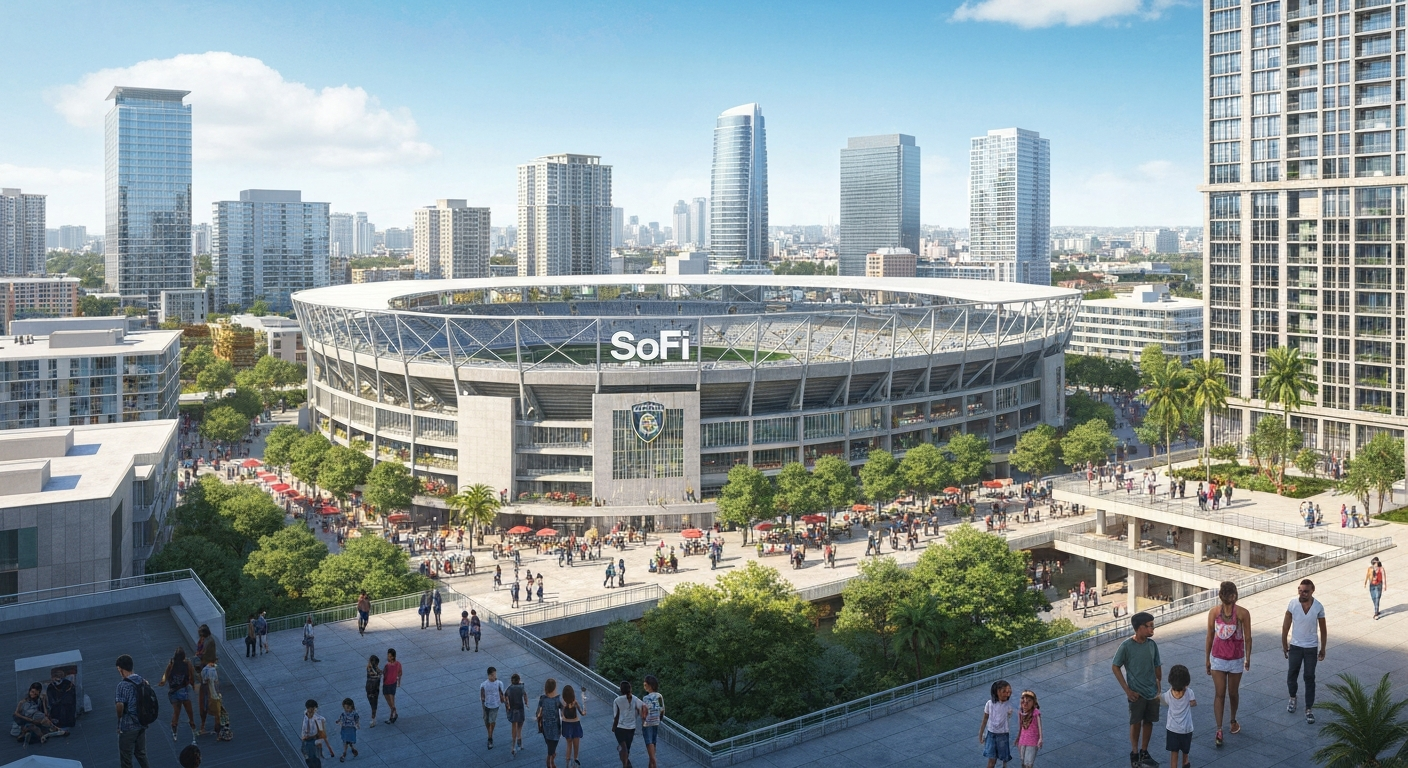
- SoFi Stadium, a vision by Stan Kroenke, is the centerpiece of the 298-acre Hollywood Park development in Los Angeles.
- This project has dramatically impacted the real estate market, with commercial property values soaring since construction began.
- More than just a stadium, it's a mixed-use destination featuring retail, residential, and commercial spaces.
- The economic impact is significant, bringing jobs, tourism, and substantial tax revenue to the local community.
- Technological and architectural innovations make SoFi Stadium a blueprint for future sports and entertainment venues.
Introduction
Welcome to the future of sports and entertainment! In the heart of Inglewood, California, SoFi Stadium has completely reshaped the landscape of Los Angeles. It's more than just a place to watch a football game; it's a massive real estate endeavor that has become a global destination. This project showcases how a sports venue can anchor a thriving community, blending cutting-edge design with smart urban planning. Are you ready to see how this architectural marvel is changing the real estate game?
The Vision Behind SoFi Stadium’s Real Estate Strategy
The creation of SoFi Stadium was driven by a bold vision from Stan Kroenke, owner of the Los Angeles Rams. He didn't just want to build a new home for his team; he imagined a world-class entertainment district that would attract visitors from all corners of the globe. This stadium project was conceived as the heart of a much larger real estate play.
This ambitious plan went beyond the stadium itself, aiming to create a destination that integrated sports, leisure, and modern living. Let's explore the masterplan behind this transformation and how it turned a historic site into a modern marvel.
Stan Kroenke’s Masterplan and Stadium Ownership
As the owner of the Los Angeles Rams, Stan Kroenke was the driving force behind the entire development. His masterplan was to privately finance the project, a strategic move that gave him complete control over the stadium and the surrounding real estate. This approach is a departure from many other NFL stadiums that rely on public funding.
By investing his own capital, Kroenke, a billionaire real estate developer, ensured that his vision for the former Hollywood Park site could be realized without compromise. This ownership structure means he and his partners manage the development, from the stadium's operations to the broader commercial and residential offerings.
This level of control allowed for a cohesive and integrated design across the entire 298-acre property. It’s a powerful example of how private enterprise can execute a massive urban renewal project, making Kroenke central to every aspect of the stadium’s existence.
Transforming Inglewood into a Modern Destination

The Hollywood Park redevelopment has truly put the City of Inglewood on the map as a global destination. The project stands on the grounds of the former Hollywood Park Racetrack, a site with a long history, and has breathed new life into the area. It now serves as a bustling hub for residents and visitors in Southern California.
This transformation is about more than just a stadium. It has created a vibrant, year-round community with a mix of attractions. The Hollywood Park redevelopment project includes:
- Retail and commercial spaces
- Residential units
- Public parks and green spaces
The strategic location, just a few miles from Los Angeles International Airport, makes it incredibly accessible. This thoughtful planning has turned Inglewood into a thriving center for entertainment, business, and modern living, fundamentally changing its real estate landscape and global profile.
SoFi Stadium as an Experiential Real Estate Landmark
SoFi Stadium is a game-changer in what's known as "experiential real estate." This means the property is designed to create memorable experiences that go far beyond its basic function. Unlike traditional sports stadiums, it’s an immersive environment that captivates you from the moment you arrive, whether you're there for the Super Bowl or a major concert.
What makes it such a landmark? It's the fusion of stunning architecture and groundbreaking technology that elevates the fan experience to a whole new level. Let's look at the specific features that make this venue so special.
Architectural and Design Innovations
The design of SoFi Stadium is truly one-of-a-kind. Designed by HKS Inc., the new stadium boasts a unique indoor-outdoor concept. Its translucent roof canopy protects fans from the elements while bathing the field in natural light, creating a bright and airy feel. The open sides allow for natural breezes, making it comfortable in any weather.
This architectural innovation isn't just for looks; it’s also sustainable. By using natural light and ventilation, the stadium reduces its energy consumption. At its center hangs the incredible Infinity Screen by Samsung, a 70,000-square-foot, double-sided 4K video board that ensures every seat is the best seat in the house.
Key architectural highlights include:
- A translucent ETFE roof for natural lighting
- An open-air design for natural ventilation
- The 70,000-square-foot Infinity Screen
- 260 luxury suites offering premium experiences
The Role of Technological Advancements in Real Estate Appeal
Technological advancements are at the core of SoFi Stadium's appeal, making it a landmark in experiential real estate. The venue is equipped with the largest Wi-Fi 6 deployment in any sports venue, ensuring you stay connected and can share your experience from major events like Super Bowl LVI or the upcoming World Cup.
The stadium is also the first in the U.S. to use digital twin technology. This creates a virtual replica of the entire facility, allowing operators to optimize everything in real time and solve problems before they even happen. This ensures a seamless and enjoyable visit for every guest.
From AI-based security screening that speeds up entry to a completely cashless transaction system, every piece of technology is designed to enhance convenience and safety. These features make attending an event at SoFi Stadium a futuristic experience, setting it far apart from other venues.
Hollywood Park Complex: Mixed-Use Development Next to SoFi Stadium
The magic of SoFi Stadium extends far beyond its walls. It's the anchor of Hollywood Park, a 298-acre mixed-use development designed for living, working, and playing. This real estate strategy creates a vibrant community that is active 365 days a year, not just on game days. It’s a place where you can catch a game, shop, dine, and even live.
This integrated approach is what makes the entire project so unique. The complex combines luxury residential spaces with dynamic retail and office areas, shaping a brand-new neighborhood. Let's explore the different components that make up this exciting development.
Residential Projects and Luxury Living Spaces
The Hollywood Park complex is redefining luxury living in Inglewood. The residential development within the complex offers modern apartments and townhomes with high-end amenities. These spaces are designed for people who want to be at the center of the action, with entertainment, dining, and green spaces right at their doorstep.
While the focus has been on creating a premium living experience, the broader impact on the community also includes discussions around the need for affordable housing to ensure the area remains accessible to all residents. The goal is to build a balanced and diverse neighborhood.
Living here means you're part of a connected community. The residential projects are integrated with parks, walking paths, and plazas, blending urban convenience with a sense of openness and nature. It’s a complete lifestyle, not just a place to live.
Retail, Office, and Entertainment Spaces Shaping the Community
Beyond homes, the Hollywood Park complex is a hub for commercial real estate. It features millions of square feet dedicated to retail spaces, office spaces, and other entertainment venues. This creates a dynamic environment where you can work, shop, and be entertained all in one place.
The retail district offers a mix of well-known brands and local boutiques, alongside a variety of dining options from casual eateries to fine dining. In addition to the stadium, there's a 6,000-seat performance venue that hosts concerts and other events, adding to the area's appeal.
The commercial developments include:
- A sprawling retail district
- Modern, Class-A office spaces
- A 6,000-seat performance arts venue
- A luxury hotel
These elements work together to create a self-sustaining ecosystem that drives foot traffic and economic activity year-round, transforming the community into a premier commercial destination.
Impact on Inglewood’s Real Estate Market
The arrival of SoFi Stadium has had a seismic impact on Inglewood's real estate market. The development has attracted a wave of new investment, causing property values to climb significantly. For homeowners and local businesses, this has brought both opportunities and challenges, changing the financial fabric of the city for Inglewood residents.
This transformation is visible in the rising home prices and the influx of new commercial ventures. Let's look closer at the specific trends in property values and the new investment opportunities that have emerged since the stadium's construction.
Trends in Property Values Before and After SoFi Stadium
The stadium project has been a powerful catalyst for rising property values in the City of Inglewood. Even before the opening of SoFi Stadium, the announcement and start of construction triggered a surge in real estate interest. Commercial real estate values in the immediate vicinity saw a dramatic increase.
Since construction began, commercial property values within a two-mile radius of the stadium have increased by an incredible 78%. This trend has also been reflected in the residential market, as the area's desirability has grown.
New Investment and Infrastructure Opportunities
The SoFi Stadium development has unlocked a wealth of new investment opportunities in Inglewood. The project's success has signaled to investors that the city is a prime location for new ventures, from hotels and restaurants to retail and office spaces. This influx of capital is helping to fuel ongoing growth.
In response, the local government has been working to upgrade infrastructure to support the increased activity. This includes improvements to roads, public transit, and public services, which benefit the entire community. These enhancements are crucial for managing the growth and ensuring it is sustainable.
This synergy between private investment and public infrastructure development has created a positive cycle of growth. It has also led to significant job creation, providing new employment for residents and stimulating the local economy for years to come.
Economic Benefits for Local Residents and Businesses
The economic growth spurred by SoFi Stadium and Hollywood Park extends directly to the local community. The project has been a powerful engine for creating jobs and providing new revenue streams for local businesses. The city council has noted the significant positive financial impact on the city's budget.
This economic ripple effect is felt in many ways, from new job opportunities to increased community amenities funded by tax revenue. Let's examine how the development has boosted commercial growth and improved social infrastructure for everyone in Inglewood.
Job Creation and Commercial Growth
One of the most significant benefits of the SoFi Stadium project is the creation of thousands of job opportunities. From the initial construction to the ongoing operations of the stadium and Hollywood Park, the development directly employs hundreds of people and supports thousands of additional jobs in Southern California.
The presence of an NFL team, and in this case two, draws huge crowds, dramatically increasing foot traffic for surrounding businesses. Restaurants, hotels, and retail shops all benefit from the influx of fans on game days and for other major events. This has revitalized the local commercial scene.
Key benefits include:
- Direct employment of over 600 people with an 8% annual growth rate.
- Increased revenue for local hotels, restaurants, and shops.
- A boost in tourism from national and international visitors.
- New opportunities for local entrepreneurs to start businesses.
Boosting Community Amenities and Social Infrastructure
The economic benefits also translate into better community amenities and social infrastructure. The stadium and its surrounding complex generate substantial tax revenue for Inglewood. In its first five years, the project is projected to contribute around $100 million in tax revenues.
This new income allows the city to invest in essential public services for the local community. These funds can be used to improve schools, parks, libraries, and public safety, enhancing the quality of life for all residents. The development itself includes 25 acres of public parks and open space for everyone to enjoy.
By providing a steady stream of revenue, the project helps build a more resilient and prosperous community. This investment in social infrastructure ensures that the benefits of the development are shared broadly and contribute to long-term community well-being.
Real Estate Management Around SoFi Stadium
Managing a real estate project of this magnitude requires complex and strategic oversight. The stadium ownership is just one piece of the puzzle; the entire 298-acre development involves intricate ownership structures, governance models, and collaborative partnerships to ensure its long-term success and sustainability.
Understanding who is behind the scenes is key to appreciating how this massive undertaking operates. Let's look at the key stakeholders involved and the long-term planning that guides the future of Hollywood Park.
Key Stakeholders and Ownership Structures
While Stan Kroenke is the visionary and primary owner, he is not alone in this massive venture. The development of Hollywood Park is a joint venture between The Kroenke Group and Stockbridge Capital Group, a real estate investment management firm. This partnership combines Kroenke's vision with Stockbridge's expertise in large-scale property development.
This structure allows for shared risk and a pooling of resources and knowledge. Kroenke's company primarily focuses on the stadium itself, while the joint venture oversees the development of the surrounding parcel of land, including the retail, residential, and commercial components.
This collaboration is crucial for managing such a large and multifaceted project. It ensures that every aspect of the development, from the stadium to the parks and residences, is expertly planned and executed as part of one cohesive vision.
Governance, Partnerships, and Long-term Planning
Effective governance and strategic partnerships are essential for the long-term success of Hollywood Park. The development team works closely with the City of Inglewood and other local government agencies to ensure the project aligns with community goals and regulatory requirements. This collaboration is key to long-term planning.
The management strategy also relies on numerous partnerships with leading brands and service providers. From the SoFi naming rights deal to technology partners like Cisco and Samsung, these relationships provide stable revenue streams and enhance the guest experience.
Key elements of their long-term strategy include:
- Ongoing collaboration with the local government.
- Securing major events like the World Cup and the Olympics.
- Continuously upgrading technology and amenities.
- Adapting the mixed-use spaces to meet evolving market demands.
This forward-thinking approach ensures that SoFi Stadium and Hollywood Park will remain a premier destination for decades to come.
SoFi Stadium and the Future of Mixed-Use Sports Developments
SoFi Stadium is more than just an impressive stadium project; it's a blueprint for the future of sports stadiums. The trend is moving away from standalone arenas and toward integrated mixed-use developments that create vibrant, year-round destinations. SoFi Stadium and Hollywood Park are a prime example of this model executed on a massive scale.
This approach is becoming more common across the country as teams and developers recognize the value of creating "stadium districts." Let's look at how SoFi fits into this national trend and what lessons can be learned from its success.
National Trends in Arena-Linked Real Estate
The concept of arena-linked real estate is transforming urban landscapes nationwide. Developers are no longer just building stadiums; they are creating entire neighborhoods around them. This model turns a sports venue into the anchor of a larger entertainment complex, complete with shops, restaurants, hotels, and residences.
We've seen similar, albeit smaller-scale, developments around venues like Gillette Stadium. However, SoFi Stadium takes this concept to a new level with its sheer size and complete integration of different uses. It's a year-round destination that generates activity well beyond the 10-20 home games per year.
This trend is driven by several factors:
- Creating new, stable revenue streams for team owners.
- Enhancing the fan experience by offering more to do.
- Revitalizing urban areas and boosting local economies.
- Maximizing the use of valuable land.
Lessons Learned from the SoFi Model
So what are the key lessons learned from the SoFi Stadium model? First and foremost is the power of a singular, bold vision. Stan Kroenke’s commitment to creating a world-class, privately funded destination set the stage for success. This allowed for a cohesive design and rapid execution.
Another crucial lesson is the importance of creating a true mixed-use environment. The success of Hollywood Park demonstrates that a sports venue can be the heart of a thriving community if it's surrounded by compelling residential, retail, and commercial offerings. It’s not just about the game; it’s about the place.
Finally, the SoFi model highlights the value of investing in technology and architecture to create an unparalleled fan experience. These elements aren't just costs; they are investments that generate buzz, attract major events, and create lasting value for the entire real estate development.
Conclusion
In conclusion, the SoFi Stadium real estate playbook reveals a dynamic strategy that not only transforms Inglewood into a modern destination but also showcases innovative architectural designs and technological advancements. The stadium serves as a catalyst for economic growth, job creation, and the revitalization of local infrastructure. As we explore the lessons learned from this model, it's clear that mixed-use sports developments are redefining community engagement and property value dynamics. Embracing these insights can empower investors and stakeholders to navigate the evolving landscape of real estate around sports venues. If you’re interested in leveraging these opportunities, don’t hesitate to reach out for a free consultation to guide your investment decisions.