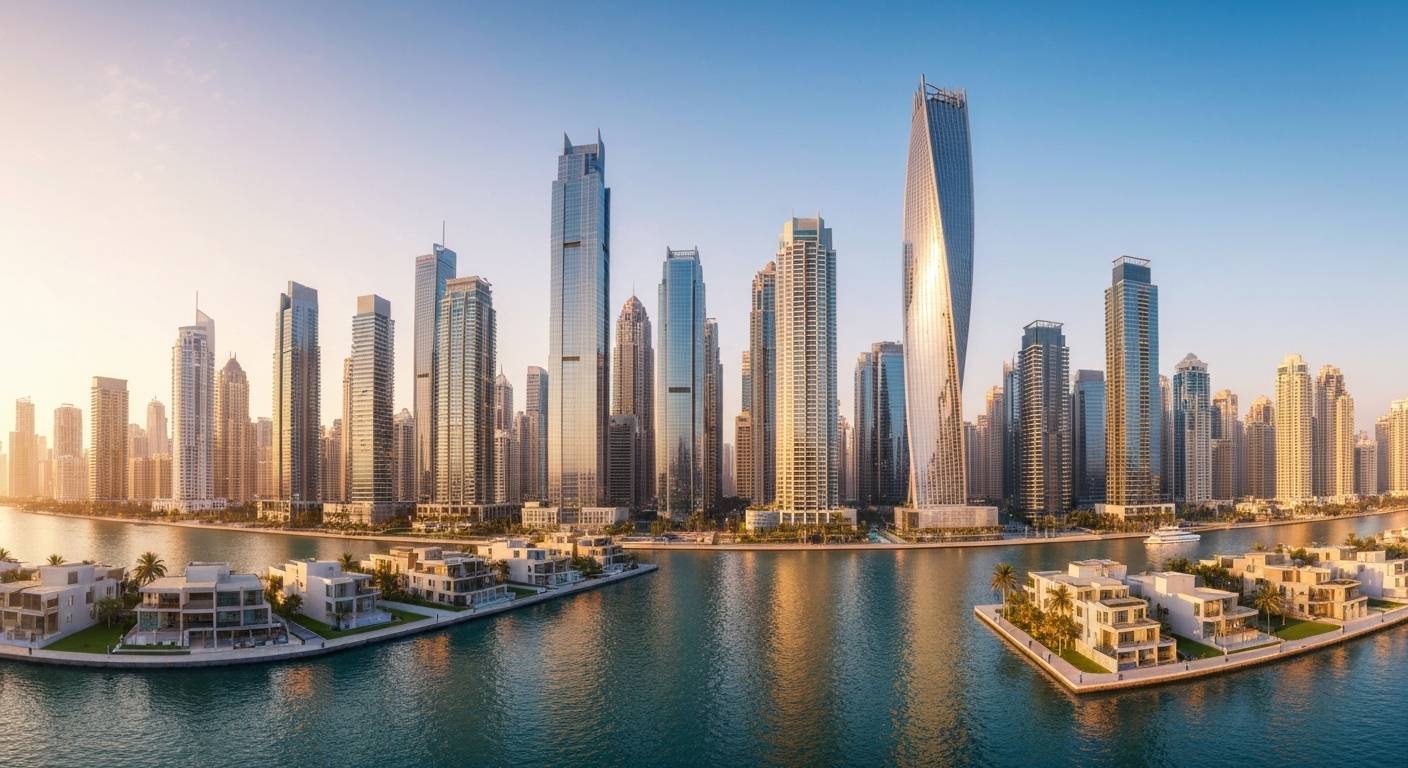
Key Highlights
- Monaco and Hong Kong frequently compete for the title of the world's most expensive housing market due to extreme land scarcity.
- Property prices in top global cities are driven by a mix of limited supply, high demand from international buyers, and economic stability.
- Home prices are so high in these locations that $1 million might only buy you a space the size of a small studio apartment.
- Global cities like London, New York, and Paris maintain high housing costs because of their cultural prestige and status as financial hubs.
- New trends, including the rise of branded residences and the pursuit of investment visas, continue to shape the most expensive markets.
Introduction
Have you ever wondered where the world's most expensive homes are located? A select group of elite global cities consistently reports staggering housing costs, with home prices that can seem almost unbelievable. The allure of these markets goes beyond simple housing; they represent status, security, and a lifestyle accessible to only a few. This exploration will take a closer look at the world’s most expensive cities for real estate, what drives their sky-high property values, and how they compare to one another.
The Most Expensive Housing Markets in the World
When you think of luxury real estate, a few iconic global cities probably come to mind. These locations are the most expensive markets on the planet, where property prices reach astronomical heights. They attract international buyers and the global elite, who are willing to pay a premium for a piece of these prestigious destinations.
The reasons why these cities are so expensive are a combination of limited space, economic power, and unparalleled lifestyle offerings. Let's examine the top 10 most expensive housing markets to understand what makes them command such incredible value.
1. Hong Kong: Sky-High Prices and Limited Space
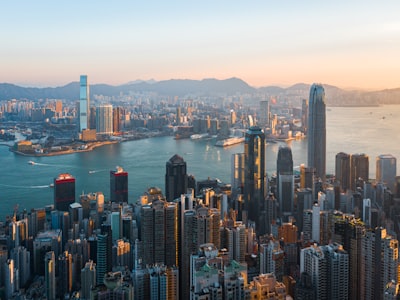
Hong Kong is consistently named one of the world's most expensive real estate markets, a direct result of its dense population and severely limited land for development. The city’s geography means that there is very little room to build, which naturally leads to extremely high prices for any available space. This scarcity is a primary reason for its top-tier property values.
The financial hub attracts a steady stream of wealthy buyers, particularly from mainland China and other parts of the world, who are all competing for a slice of its famous skyline. In Hong Kong, the competition for residential properties in exclusive neighborhoods is fierce, keeping prices elevated.
As a result, your money doesn't go very far. On average, a sum of $1 million will only secure about 237 square feet of prime property. Despite market ups and downs, Hong Kong’s blend of business dynamism and ultra-luxury living ensures it remains a benchmark for high-end real estate worldwide.
2. London: Prestige and Historical Value
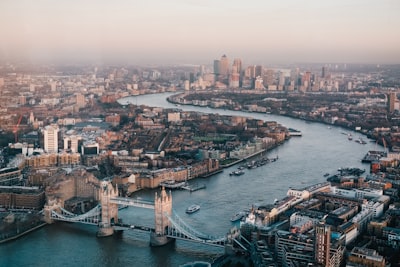
London stands as Europe’s enduring powerhouse in the luxury real estate sector. The city's prime neighborhoods, like Mayfair, Belgravia, and Knightsbridge, are home to some of the most expensive properties on Earth. The historical value of its elegant townhouses and the modern appeal of its new penthouses create a unique and desirable market in the United Kingdom.
For decades, international buyers have been drawn to London for its unique mix of culture, economic stability, and unmistakable prestige. The city’s luxury markets are supported by world-class amenities, including renowned schools, fine dining, and its role as a global financial center. This keeps demand consistently high among the world's wealthiest individuals.
Even with some economic shifts in recent years, London’s top-tier property prices continue to be robust. The city’s status as a global hub for both business and lifestyle justifies its high costs, with ultra-prime areas commanding around $24,000 per square meter, distinguishing it from other expensive cities that may rely more on scarcity alone.
3. New York City: Luxury Real Estate and Global Appeal
New York City is synonymous with iconic luxury real estate. From penthouses overlooking Central Park to historic homes on the Upper East Side, the Big Apple's property values are among the highest in the world. The market is fueled by its standing as a global center for finance, culture, and business, attracting both domestic magnates and international investors.
Prime addresses in Manhattan, such as those on "Billionaires' Row" or in Tribeca, fetch astronomical prices. In 2025, the average price for luxury condos in Manhattan hovers around $27,000 per square meter, which is over $2,500 per square foot. This places New York City in direct competition with other top global markets like Hong Kong.
While the market has seen temporary cooling periods, a steady flow of foreign investment and a limited supply of homes in prestigious areas keep property values high. The city's unique combination of career opportunities, arts, and an elite social scene continues to drive its ultra-luxury real estate segment forward.
4. Monaco: Scarcity and Ultra-Prime Properties
The tiny city-state of Monaco on the French Riviera often holds the title of the most expensive real estate market on the planet. This small nation is a sanctuary for billionaires, offering glamour, security, and a celebrated tax-free lifestyle. However, it has very little land, making it one of the priciest real estate markets in existence.
This extreme scarcity of space results in unbelievable prices, even for modest apartments. For instance, the Knight Frank Wealth Report 2025 revealed that $1 million buys only about 205 square feet of prime property in Monaco. This makes it the country with arguably the highest average property prices per square foot globally.
Exclusive properties, such as penthouses in Monte Carlo, regularly sell for tens of millions of dollars. The allure of Monaco, with its yacht-filled harbor and the excitement of the Grand Prix, ensures that demand from affluent buyers never fades, securing its spot at the top of the list.
5. Geneva & Zurich: Swiss Quality Meets Exclusivity
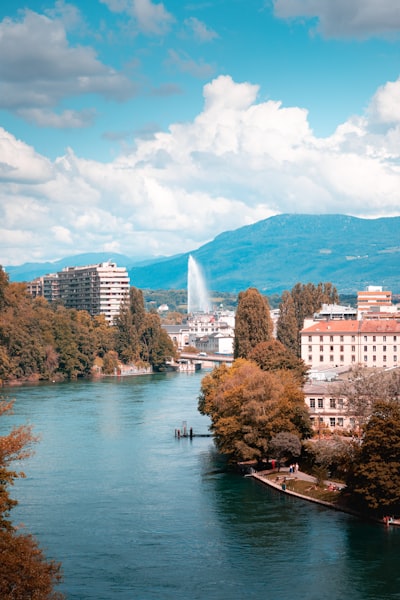
Switzerland's leading cities, Geneva and Zurich, are twin pillars of expensive real estate in Europe. In Geneva, a hub for global diplomacy and private banking, luxury homes in exclusive neighborhoods along the lakefront fetch staggering prices. This is driven by the city's reputation as a stable and secure place to live and invest.
Over in Zurich, the financial heart of Switzerland, elegant villas and penthouse apartments are highly sought after, thanks to the city's banking wealth and exceptional quality of life. Both cities benefit immensely from Switzerland's safe-haven status, political neutrality, and strong currency, which have attracted elite investors for decades. The promise of Swiss quality extends from watches to real estate.
Foreign buyers face certain restrictions, which helps keep the supply of available properties tight and prices high. In these cities, $1 million might only purchase around 400–450 square feet of prime property, reflecting just how valued space is. For investors, the appeal is clear: stable growth and a secure environment.
6. Paris: Iconic Architecture and Elite Neighborhoods
Paris masterfully blends old-world elegance with modern luxury, resulting in home prices that consistently place it among the most expensive markets in the world. The City of Light's prime districts, such as Saint-Germain-des-Prés or the Golden Triangle, feature luxury apartments with average prices that can compete with those in London or New York.
The timeless appeal of Paris—from its world-class art and fashion to its gourmet dining—draws affluent buyers from Europe, the Middle East, and beyond. This international demand keeps competition for the best addresses in its elite neighborhoods fierce. Unlike some modern luxury markets, Paris's value is deeply tied to its irreplaceable heritage and architecture.
With a limited stock of historic housing in the central city and strict building regulations, supply cannot keep up with demand. Prime Parisian properties average around €20,000 per square meter in 2025. Buyers are not just purchasing a home; they are acquiring a piece of Parisian culture and lifestyle, which ensures home prices remain strong.
7. Singapore: Modern Living and Foreign Investment
The affluent city-state of Singapore is a consistent feature on lists of top luxury property destinations. Its reputation for political stability, a clean environment, and a pro-business economy makes it a magnet for wealthy investors and foreign buyers from across Asia and the globe. This high level of international demand is a key factor in its expensive market.
Space is an absolute premium on this small island, particularly in coveted areas like Orchard Road, Sentosa Cove, and Marina Bay. As a result, real estate prices are stratospheric. On average, $1 million purchases only about 344 square feet of prime property, reflecting an incredibly high cost per square foot and a high median house price overall.
The government actively manages the market with policies like stamp duties to cool excessive purchasing by foreign buyers. However, the ultra-luxury segment remains robust. From dazzling skyscraper penthouses to elite Good Class Bungalows, the inventory is limited and the buyer pool is exceptionally affluent, making it a prime example of a supply-and-demand-driven market.
8. Tokyo: Urban Density and Financial Hub Status
Japan's sprawling capital, Tokyo, has re-emerged as one of the world's priciest real estate markets, especially within its upscale central wards. In exclusive urban areas like Aoyama, Roppongi, and Akasaka, luxury condos and land parcels command enormous sums. This reflects both the scarcity of space in this dense city and renewed buyer confidence.
Tokyo's status as a major financial hub, combined with its reputation as a safe and modern metropolis, has boosted high-end property values. Additionally, ultra-low interest rates in Japan have made financing more accessible, further fueling the market. These factors contribute to its high property prices.
The city's enduring draw is its unique combination of cutting-edge infrastructure, rich culture, and investment stability. For affluent buyers, owning a high-rise penthouse with a view of Tokyo Tower is a significant status symbol. This prestige, along with its economic importance, keeps Tokyo firmly on the list of top luxury housing markets.
9. Sydney: Coastal Glamour and Urban Growth
Sydney is Australia's crown jewel of luxury real estate, celebrated for its spectacular harbor and iconic Opera House views. The city’s most exclusive properties, whether they are contemporary mansions in Palm Beach or sleek apartments overlooking the water, carry multi-million dollar price tags. This makes the cost of living one of the highest among major cities.
Sydney’s luxury market is propelled by both local wealth and significant international demand, especially from Asia. While government restrictions on foreign buyers have somewhat tempered overseas speculation, property values remain very high due to ongoing urban growth and a desirable lifestyle.
As of 2025, prime Sydney homes average nearly USD $19,500 per square meter, placing the city in the upper echelons globally. The reasons for this are a combination of limited waterfront land, a growing population of high-net-worth residents, and an unmatched lifestyle appeal that includes a sunny climate and a cosmopolitan atmosphere.
10. Shanghai & Beijing: Rapid Development and Rising Demand
China’s powerhouse cities, Shanghai and Beijing, have rapidly ascended the ranks of expensive real estate markets due to immense economic growth and rising demand. In Shanghai, a global financial hub, luxury apartments in areas like the Bund or Xintiandi are highly sought after. Similarly, Beijing, the nation's capital, sees intense competition for high-end homes, especially in prestigious districts.
A key trend shaping these markets is the rapid pace of new construction, with state-of-the-art residential towers continuously being developed to meet the needs of a growing affluent class. This rising demand from a massive domestic population of prospective buyers has pushed property values to levels comparable with many Western capitals.
The country's wealth creation over the last two decades has been a primary driver of these high prices. As more individuals gain significant wealth, they seek to invest in real estate within these key economic and political centers. This internal demand ensures that Shanghai and Beijing remain critical players in the global luxury property landscape.
Average Property Prices and Price Calculation Methods
Understanding the true cost of real estate in the world's top markets requires looking beyond the final sale price. A common way to compare property prices is by calculating the price per square meter or square foot. This method helps standardize the market value of homes across different cities and countries.
The average prices are influenced by various factors, so there isn't one single price calculation method. Instead, valuations consider location, quality, and demand. Let’s compare some of these figures to see just how much space your money can buy in these expensive locations.
Comparing Average Price per Square Meter Across Top Cities
When you compare the average prices in the most expensive markets, the differences are striking. The price per square meter is a powerful indicator of value, showing how much you pay for every bit of space. In cities where land is incredibly scarce, this figure can be breathtakingly high.
Monaco consistently leads with the highest price per square meter, making it a contender for the country with the highest average property prices. Hong Kong follows closely, with New York City, London, and Paris also commanding premium rates. The median home price in these cities is often in the millions, but the price per square meter reveals the true intensity of the market.
Here is a look at what you can expect to pay in some of the top global cities:
- Monaco
- Average Price per Square Meter (Prime Property): ~$52,500
- Approx. Price per Square Foot (Prime Property): ~$4,878
- Hong Kong
- Average Price per Square Meter (Prime Property): ~$45,400
- Approx. Price per Square Foot (Prime Property): ~$4,219
- New York City
- Average Price per Square Meter (Prime Property): ~$27,000
- Approx. Price per Square Foot (Prime Property): ~$2,500
- London
- Average Price per Square Meter (Prime Property): ~$24,000
- Approx. Price per Square Foot (Prime Property): ~$2,230
- Sydney
- Average Price per Square Meter (Prime Property): ~$19,500
- Approx. Price per Square Foot (Prime Property): ~$1,811
How Are Housing Prices Calculated in Global Markets?
There isn't a single universal formula for housing price calculation in global markets. Instead, home values are determined by a complex interplay of several key factors. The most timeless principle is "location, location, location." Proximity to business districts, cultural attractions, and scenic views heavily influences property values.
Beyond location, scarcity plays a massive role. In cities like Monaco and Hong Kong, where physical space is extremely limited, the lack of supply naturally drives prices up. The calculation methods used by appraisers and analysts will always weigh this heavily. High demand from a pool of wealthy buyers further inflates these values.
Ultimately, economic and political stability also contributes to how property values are assessed. A city with a strong rule of law and a secure economy, like Zurich, is seen as a safe haven for investment. This security adds a premium to its real estate, making it more valuable than in less stable regions.
Recent Trends in Global Average Property Prices
Global average property prices are constantly shifting in response to new trends. Over the last year, several key developments have influenced the rankings of the most expensive cities. Rising interest rates in some parts of the world have cooled certain markets, while others remain hot due to persistent demand.
A growing desire for privacy and exclusivity has also become a major trend. Ultra-wealthy buyers are increasingly looking for secluded retreats, which has boosted the value of remote estates and even private islands. This trend shows a shift in priorities from urban convenience to personal sanctuary.
Other significant trends shaping real estate today include:
- The rise of branded residences, where luxury homes are serviced by high-end hotel brands like Ritz-Carlton or Four Seasons.
- An increase in real estate purchases linked to "golden visa" or citizenship-by-investment programs.
- The growing acceptance of cryptocurrency for high-end property transactions, attracting a new class of tech-savvy buyers.
- A focus on new construction that incorporates wellness amenities and sustainability features.
Key Factors Behind Expensive Housing Markets
Have you ever wondered what makes housing costs in certain global cities so high? It's not just one thing, but a powerful combination of factors. The core reasons include strong economic strength, a limited supply of homes, and incredibly high demand from a global pool of buyers.
These elements create a perfect storm for sky-high prices. In the following sections, we will explore how the balance of supply and demand, the concentration of wealth, the influence of international investors, and government policies all contribute to shaping these expensive housing markets.
Impact of Supply and Demand on Housing Costs
The basic economic principle of supply and demand is the single most important driver of high housing costs. In the world's most expensive cities, there is a fundamental imbalance: a limited supply of properties and exceptionally high demand. This dynamic is the primary reason property prices are so steep.
Cities like Hong Kong, Monaco, and San Francisco are geographically constrained, surrounded by water or mountains with strict land-use rules. This limited supply means very few new homes can be built. When you have a growing number of people wanting to live in a place with a fixed amount of space, prices naturally soar.
At the same time, high demand from wealthy individuals, both domestic and international, creates intense competition for the few available homes. These buyers are often less sensitive to price, leading to bidding wars that push property prices even higher. This constant pressure ensures that housing costs remain at a premium.
Economic Strength and Wealth Concentration
A city's economic strength is a powerful magnet for real estate investment. Major financial hubs like New York, London, and Tokyo attract top talent and multinational corporations, leading to a high concentration of wealth. This economic vitality creates a large pool of affluent buyers with significant purchasing power.
This wealth concentration means that there are many people who can afford to pay premium prices for real estate. The global elite are drawn to cities that are not only centers of commerce but also offer political and economic stability. These markets are seen as safe places to store wealth in a tangible asset like property.
As a result, the presence of a strong economy and a high number of ultra-high-net-worth individuals directly fuels real estate values. Affluent buyers are willing to pay more for homes in cities where their investments are secure and where they have easy access to business opportunities and a high-end lifestyle.
Influence of International Buyers and Investors
International buyers and investors play a crucial role in driving up prices in the world's top real estate markets. The global elite often seek to diversify their portfolios by purchasing properties in key cities around the world, viewing these assets as safe havens for their capital.
This influx of foreign money adds another layer of demand to already competitive markets. Foreign buyers are often focused on acquiring trophy assets or securing a foothold in a stable economy, and they frequently bid up prices for the most desirable properties. This trend is especially noticeable in cities like London, New York, and Sydney.
Some real estate purchases by international buyers are also motivated by other strategic goals:
- Gaining residency or citizenship through "golden visa" programs, which tie property investment to legal status.
- Seeking prestige and a global presence by owning homes in culturally and financially significant locales.
- Leveraging favorable tax environments in places like Monaco or Dubai.
Government Policies Affecting Real Estate Prices
Government policies can have a profound effect on real estate prices, either by stimulating or cooling the market. Regulations related to foreign ownership, taxation, and new development all play a part in determining property values.
For example, favorable tax regimes, such as Monaco's lack of income tax, can attract a flood of wealthy buyers, driving prices up. Conversely, some governments implement policies to control prices. Singapore and parts of Canada impose extra stamp duties or taxes on foreign buyers to temper speculation and make housing more affordable for locals.
Furthermore, interest rates set by central banks are a critical factor. Low interest rates make borrowing cheaper, which can fuel a boom in real estate purchases and lead to higher prices. On the other hand, zoning laws and strict building regulations can limit new construction, constraining supply and pushing existing property values higher.
Comparing U.S. Housing Markets to Global Leaders
While cities like Hong Kong and Monaco often dominate headlines, several markets in the United States also rank among the world's most expensive. Cities such as New York, San Francisco, and Los Angeles boast property prices and housing costs that rival their international counterparts, driven by powerful tech and finance industries.
These American cities share many of the same characteristics as other global leaders, including high demand and limited supply. In the next sections, we'll take a closer look at how these U.S. markets stack up against the priciest real estate hubs in Europe and Asia.
New York City vs. Hong Kong: Price and Lifestyle Differences
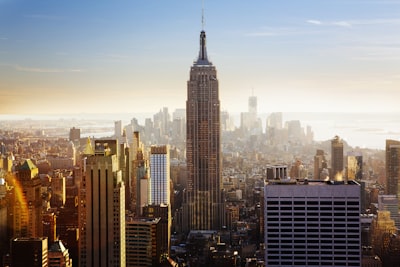
Comparing New York City and Hong Kong reveals two distinct types of ultra-expensive markets. In terms of home prices, Hong Kong is generally more expensive on a per-square-foot basis. For $1 million, you can get about 237 square feet in Hong Kong, whereas in New York City, you might get slightly more space for your money, though still not much.
The lifestyle offerings also differ. New York City is a sprawling cultural metropolis, known for world-class museums, Broadway shows, and iconic green spaces like Central Park. Its luxury market is defined by a mix of historic townhouses and modern glass towers. It is a global hub for finance, media, and the arts.
Hong Kong, on the other hand, is a dense, fast-paced financial gateway to Asia. Its lifestyle is characterized by a fusion of Eastern and Western cultures, incredible dining, and a focus on efficiency and commerce. While both are premier global cities, NYC offers a more diverse urban experience, whereas Hong Kong's market is driven by extreme density and its role as a key business link.
San Francisco and Los Angeles: U.S. Cities in the Global Rankings
Beyond New York, California is home to some of the priciest real estate markets in the United States, with San Francisco and Los Angeles leading the charge. San Francisco's median home value is consistently among the highest in the nation, with a typical price of around $1.3 million. Its market is fueled by the immense wealth generated by the tech industry and its geographic limitations.
Los Angeles, a sprawling hub of Southern California, also commands extremely high prices, especially in its elite neighborhoods like Beverly Hills and Malibu. The city's median home price recently surpassed the $1 million mark. LA’s real estate market is driven by the entertainment industry, international trade, and its undeniable lifestyle appeal.
When compared to global leaders, both San Francisco and Los Angeles hold their own. Their price-per-square-foot metrics are comparable to many top European and Asian cities. While they may not reach the extreme levels of Monaco, their high median home values secure their positions in the top tier of global real estate.
How Do American Luxury Markets Stack Up to Europe and Asia?
American luxury markets offer a different flavor compared to their counterparts in Europe and Asia. While top U.S. cities like New York have population densities and price points similar to other global hubs, many American luxury markets emphasize space and lifestyle amenities in a way that is unique.
For example, wealthy enclaves in the United States like Newport Beach in Orange County offer sprawling estates and a high quality of life centered around coastal living, which contrasts with the compact, high-rise luxury of cities like Hong Kong or Singapore. The definition of luxury often varies by region.
Here’s how they differ:
- Space vs. Centrality: American luxury often includes larger homes and more land, whereas European and Asian markets prioritize central locations in historic or dense urban cores.
- Lifestyle Focus: U.S. markets like Aspen or Miami are built around specific lifestyles (skiing, beach life), while many global cities are prized for their status as economic and cultural centers.
- Newer Construction: Many U.S. luxury properties are newer, featuring modern amenities, while European luxury is often tied to historical value and architecture.
Conclusion
In conclusion, the exploration of the world’s most expensive housing markets illustrates not only the staggering prices but also the unique characteristics that drive demand in these areas. From Hong Kong's limited space to New York City's luxury appeal, each market presents its own set of challenges and opportunities for buyers and investors alike. Understanding the factors that contribute to such high valuations, including economic strength, supply and demand dynamics, and international investment, is crucial for anyone navigating these competitive landscapes. As the real estate market continues to evolve, staying informed about these trends will equip you to make better decisions. If you're looking for personalized insights or assistance in this complex market, don't hesitate to reach out for a free consultation!