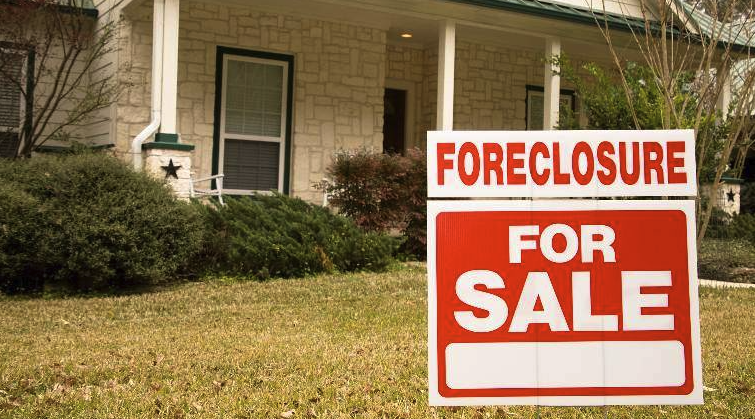
Key Highlights
- Finding great deals on foreclosed homes is easier when you know where to look, including specialized foreclosure listings and government websites.
- You can find different types of foreclosed properties, such as bank-owned (REO) homes and government-foreclosed HUD homes.
- Partnering with real estate agents who specialize in foreclosures can give you a significant advantage and access to more listings.
- Websites like Foreclosure.com, Auction.com, and Zillow are excellent resources for searching foreclosure listings by state, city, or zip code.
- Always conduct a thorough property inspection and research potential liens or title issues before making a purchase.
Introduction
Are you looking for a home on a budget? Buying houses for foreclosure has become a go-to strategy for many savvy home buyers. The real estate market is full of these opportunities, but knowing how to find and secure them can be tricky. This guide is designed to help you navigate the world of foreclosure properties with confidence. Whether you're a first-time buyer or an experienced real estate investor, you'll find top tips to make the process easier.
Understanding Foreclosure: What it Means for Homebuyers
Foreclosure happens when homeowners can no longer make their mortgage payments, and the lender takes possession of the property to recover the loan balance. For you as a home buyer, this can mean an opportunity to purchase a home, often below market value. Understanding this process is the first step toward finding a great deal.
Before you start your search, it's wise to consider what purchasing a foreclosure property entails. These homes are often sold "as-is," which means you'll need to be prepared for potential repairs and other hidden issues. This guide will walk you through what to look out for.
Defining a House in Foreclosure
A house in foreclosure is a property that a lender, like a bank, reclaims from a homeowner who has defaulted on their mortgage payments. The lender's goal is to sell the home to recoup the money they are owed. This process isn't instant and typically moves through several distinct stages.
The first stage is pre-foreclosure, where the homeowner is behind on payments but still owns the home. If they can't catch up, the property may go to a public auction. Here, it is sold to the highest bidder.
If the home doesn't sell at auction, the lender takes full ownership, and it becomes a real estate owned (REO) property. Understanding these terms—pre-foreclosure, auction, and REO properties—is crucial as each stage presents different buying opportunities and challenges for you.
How Foreclosure Sales Work in the United States
The process for foreclosure sales in the U.S. varies significantly from state to state. Some states follow a judicial process, which means the lender must go through the court system to foreclose. Other states use a non-judicial process, which can be much faster. This legal framework affects how and when a property becomes available.
These differences in the real estate market mean that how you buy a bank-owned home in California might be different from the process in Ohio. For example, some states require foreclosure auctions to be held in person at the local courthouse, while others allow for online bidding.
Listings for these sales can be found in local newspapers, on county government websites, or through specialized online platforms. Knowing your state's specific laws is essential for navigating the purchase of a home, especially those handled by the Department of Housing and Urban Development.
Types of Foreclosed Homes Available
When you begin your search for foreclosed homes, you will encounter several different types of properties. The most common categories include bank-owned homes, government foreclosures, and short sales. Each type has its own unique purchasing process and set of rules that you need to be aware of.
For instance, buying a home directly from a bank is different from purchasing a property seized by a government agency. The following sections will explain the specifics of bank-owned (REO) properties and government foreclosures, including HUD homes, so you can decide which path is right for you.
Bank-Owned (REO) Properties Explained
Real estate owned (REO) properties are homes that a bank or lender has taken ownership of after an unsuccessful foreclosure auction. Since banks like Bank of America are in the business of lending money, not managing real estate, they are highly motivated to sell these REO properties quickly to minimize their losses.
Once a property becomes bank-owned, the lender will typically handle evictions, pay off tax liens, and may even do some minor repairs. The home is then listed for sale, often through a real estate agent specializing in REOs. This makes the buying process more similar to a traditional home sale compared to buying at auction.
For you, the advantage is a clearer title and a potentially smoother transaction. However, these properties are usually sold "as-is," so you must be prepared for potential repair costs.
HUD Homes and Government Foreclosures
HUD homes are residential properties that have been acquired by the U.S. Department of Housing and Urban Development (HUD) after a homeowner defaulted on an FHA-insured loan. Other government agencies, such as Fannie Mae or the Department of Agriculture, also offer government foreclosures.
The process for buying these homes differs from bank foreclosures. HUD homes are sold through an online bidding process on the HUD Home Store website. Initially, there's a priority bidding period for owner-occupant buyers, which gives you an advantage over real estate investors.
There are specific eligibility criteria, and you must use a HUD-registered real estate agent to submit your bid. These properties can be a great option, especially for buyers planning to live in the home.
Top Websites to Find Foreclosed Homes in the U.S.
In today's digital age, online resources are your best friend for finding current foreclosure listings. A good foreclosure website or real estate platform can give you access to thousands of properties with just a few clicks. You can filter your search by zip code, price, and property type, making it easy to find what you're looking for.
Many platforms provide a comprehensive listing service for the entire country. We'll explore some of the best national and state-specific websites to help you start your search.
Best Sites for Searching Foreclosed Homes by State or City
Finding the right foreclosure website can streamline your search, whether you're looking in California, Florida, or Illinois. Top national sites offer powerful search tools that let you narrow down listings by zip code or city, while some resources specialize in specific states like Georgia or Ohio.
Using a well-regarded foreclosure website gives you access to a wide range of properties and detailed information. To help you get started, here is a comparison of some of the best platforms for finding foreclosed homes.
- Foreclosure.com
- URL: https://www.foreclosure.com/
- Listing Types: Bank-Owned, Pre-Foreclosure, REO
- Auction.com
- URL: https://www.auction.com/
- Listing Types: Auction, Bank-Owned, Sheriff’s Sale
- Zillow
- URL: https://www.zillow.com/
- Listing Types: Foreclosure, Pre-Foreclosure, Auction
- HUD Home Store
- URL: https://www.hudhomestore.gov/
- Listing Types: Government (HUD)
- PropStream
- URL: https://www.propstream.com/
- Listing Types: Pre-Foreclosure, REO
Listings for Local Foreclosed Homes and Their Features
Once you find a promising foreclosure website, you can dive into local listings to find hidden gems in your market. These platforms provide detailed information that is crucial for evaluating a property. Learning how to interpret these listing details will help you make smarter decisions.
Listings often include a wealth of information to help you assess a property's potential. Key features to look for include:
- Owner information and property history
- Estimated market value and opening bid price
- Property type (e.g., single-family, condo)
- Photos and sometimes virtual tours
- Number of bedrooms and bathrooms
By carefully reviewing this data, you can get a good sense of whether a property is a good fit before you even see it in person. This information is also valuable when you're ready to make an offer and can help you work with real estate agents more effectively.
Using Real Estate Platforms to Search Foreclosed Homes
Beyond specialized foreclosure sites, general real estate platforms like Zillow and the Multiple Listing Service (MLS) are essential tools for your search. These platforms provide a massive inventory of listings and powerful filters to help you pinpoint foreclosure opportunities that might not appear elsewhere.
Many real estate agents rely on these services to find properties for their clients. The following sections will offer practical tips on how to use Zillow and the MLS to find foreclosed homes and get an edge in a competitive market.
How to Use Zillow for Foreclosure Listings
Zillow is one of the most popular real estate platforms, and it’s also a powerful tool for finding foreclosure listings. The site's user-friendly interface makes it simple to search for distressed properties in any real estate market. To get started, just enter a city or zip code and apply the right filters.
You can customize your search to show only foreclosures. Here are a few tips:
- Under the "For Sale" filter, select "Foreclosures" to see only these properties.
- Save your search and set up alerts to get notified when new foreclosures hit the market.
- Use the map view to explore specific neighborhoods and see what's available.
Zillow’s foreclosure center provides detailed information on each listing, helping you understand the property's status. It's a great starting point for any home buyer interested in this niche.
Exploring the MLS for Foreclosed Homes
The Multiple Listing Service (MLS) is a comprehensive database of properties for sale, created and maintained by real estate professionals. It's one of the most reliable sources for foreclosure listings because many bank-owned (REO) properties are listed on the MLS by real estate agents.
While direct public access to the MLS is limited, you can view MLS-syndicated listings on many real estate websites. However, the best way to leverage the MLS is by partnering with a licensed real estate agent. An agent can set up a custom search for you that includes specific criteria for foreclosure properties.
An experienced agent can provide you with the most up-to-date information directly from the listing service, giving you a competitive edge in a fast-moving real estate market.
Steps to Find and Buy a Cheap Foreclosure
Are you hoping to find cheap foreclosures? Success depends on a clear and organized strategy. Whether you're a first-time home buyer or a seasoned real estate investor, following a step-by-step approach will help you navigate the process efficiently and avoid common pitfalls. The journey starts with solid research and getting your finances in order.
Working with professionals who understand the market is also key. The next sections will break down the essential steps, from doing your initial research to partnering with the right real estate agent.
Initial Research and Pre-Approval Tips
Laying the proper groundwork is the most important step in buying a foreclosure. Before you start looking at properties, research the neighborhoods you're interested in. Look at statistical data for recent sales to understand market trends and property values. For example, if you want to find a home in Rhode Island, study that specific market.
Equally important is getting pre-approved for financing. A pre-approval letter shows sellers and lenders that you are a serious buyer. Here are some tips to get ready:
- Gather necessary documents, such as pay stubs, tax returns, and bank statements.
- Shop around with different lenders to find the best rates and terms.
- Work on improving your credit score to secure a better loan.
This preparation will save you time and put you in a strong position to act quickly when you find the right property.
Partnering with Real Estate Agents Experienced in Foreclosures
You don't have to navigate the foreclosure market alone. Partnering with real estate agents who specialize in distressed properties can be a game-changer. These agents have the expertise to find great deals, negotiate with banks, and guide you through the complex paperwork. Their experience brings a level of transparency to the process that is invaluable.
To find the right agent, look for professionals with certifications or a proven track record in foreclosures. You can search for members of the National Association of Realtors (NAR) who list this as a specialty. When you find potential agents, ask about their experience with REO properties and short sales.
A good agent will have contact information for lenders and can often find listings before they are widely advertised, giving you an edge over other real estate investors and buyers.
Key Things to Consider Before Buying a House in Foreclosure
While foreclosed homes can be a bargain, they also come with unique risks. It's crucial to do your due diligence before committing to a purchase. You need to be aware of potential issues like the property's condition, hidden liens, and other additional costs that could turn a great deal into a financial headache.
The following sections will explore two of the most critical considerations you must address: inspecting the property's condition and understanding the title and any outstanding debts attached to it.
Property Inspection and Condition Concerns
One of the biggest risks with foreclosures is that they are almost always sold "as-is." This means the seller (the bank or government agency) will not make any repairs. A thorough property inspection is non-negotiable. You need to know exactly what you're getting into before you buy.
An inspector can identify major issues that could cost you thousands in repairs. Common problems in foreclosed homes include:
- Structural damage or a failing roof
- Outdated HVAC systems or electrical wiring
- Water damage, mold, or pest infestations
The inspection report will be a powerful tool. It can help you estimate your repair budget and may even give you leverage to negotiate a lower price, depending on the real estate market and the seller's terms.
Understanding Liens, Title, and Additional Costs
Beyond physical repairs, you need to investigate the property's financial health. A foreclosure can come with hidden costs, such as outstanding liens from unpaid property taxes, contractor bills, or second mortgages. If these aren't cleared before you buy, they could become your responsibility.
A title search is essential to uncover these issues. Here are some potential additional costs to be aware of:
- Unpaid property taxes or utility bills
- Homeowners' association (HOA) fees
- The cost of a title insurance policy to protect your ownership
Working with a reputable title company or real estate attorney is the best way to ensure the property has a clean title. Always read the lender's terms of use carefully to understand what costs you will be expected to cover at closing.
Special Categories: Short Sales and Auction Properties
As you search for foreclosures, you'll likely encounter two other types of distressed real estate: short sales and auction properties. While related to foreclosures, they are distinct processes with their own set of rules and challenges. It's important to understand how they work so you can decide if they are the right fit for your goals.
The next sections will explain the differences between short sale properties and traditional foreclosures, as well as what you need to know before bidding on a property at an auction.
How Short Sales Differ from Traditional Foreclosures
A short sale occurs when a lender agrees to let a homeowner sell their property for less than the amount they owe on the mortgage. This is a pre-foreclosure option that allows the homeowner to avoid a foreclosure on their credit record. For buyers, short sale properties can offer a chance to purchase a home below market value.
However, the process is very different from buying a bank-owned home. In a short sale, you are not negotiating with the homeowner but with their lender. The bank must approve the sale, which can be a long and uncertain process, sometimes taking many months.
Buyers might choose a short sale if the property is in better condition than a typical foreclosure or if they are not in a hurry to move. It requires patience, but the payoff can be a great deal.
Bidding on Foreclosed Properties at Auction
Foreclosure auctions are where many distressed properties are first offered for sale. These can be exciting, fast-paced events where you might snag a home for a fantastic price. However, buying at auction is also one of the riskiest ways to purchase real estate, as you often have limited information about the property.
Auctions have strict rules and requirements that you must follow. Key things to know include:
- You will likely need to provide a large deposit to be eligible to bid.
- Most auction sales require you to pay in cash, often on the day of the sale.
- There are strict deadlines you must meet, and failure to do so can result in losing your deposit.
Auctions offer a wide range of properties, but due to the risks and the "as-is, where-is" terms of use, they are often better suited for experienced real estate investors.
Navigating the Purchase of HUD Homes
Buying a home from the U.S. Department of Housing and Urban Development (HUD) is a unique process with its own set of rules and opportunities. These homes, available on the HUD Home Store, can be excellent deals, especially for buyers who plan to live in the property. However, you must follow HUD's specific procedures to be successful.
The following sections will provide a step-by-step guide to buying a HUD home and compare these properties to other types of foreclosures to help you decide if it's the right path for you.
Step-by-Step Guide to Buying a Home through HUD
The process for buying a home through HUD is systematic and begins online at the HUD Home Store. Here, you can search for available properties in your area. Unlike other sales, you cannot submit a bid directly; you must work with a HUD-approved real estate agent.
Here is a simplified guide to the process:
- Find a HUD-registered real estate agent to represent you.
- Search for homes on the official HUD Home Store website.
- Your agent will submit your bid electronically during the designated bidding period.
- Secure financing, as you'll need a pre-approval letter to accompany your offer.
If your bid is accepted, your agent will receive the contact information and guide you through the closing process. The HUD website provides detailed information to help you and your agent navigate each step successfully.
Comparing HUD Properties to Other Foreclosed Homes
How do HUD homes stack up against other government foreclosures or bank-owned properties? One of the biggest differences is the priority given to owner-occupant buyers. During the initial listing period, only bids from people who intend to live in the home are considered, which reduces competition from investors.
HUD properties are sold "as-is," similar to other foreclosures, but they may be eligible for special FHA financing programs like the 203(k) loan, which allows you to roll the cost of repairs into your mortgage. In contrast, bank-owned homes often require conventional financing or cash.
Ultimately, HUD homes can be a fantastic option for buyers seeking a primary residence at a lower market value. In contrast, bank-owned properties or those from the Department of Agriculture might offer more variety for investors.
Tips to Secure the Best Deals on Foreclosed Homes
Finding a foreclosure is one thing, but securing it at the best possible price is another. To get the best deals, you need to be strategic with your approach. This involves careful preparation, smart negotiating, and knowing when to act quickly. Your ability to present a strong offer can make all the difference.
The following tips will help you stand out from the competition. We'll cover how to negotiate effectively and what makes an offer appealing to sellers like banks and government agencies.
Negotiating Price and Making a Strong Offer
Negotiating for a foreclosure is different from a traditional home purchase. You're usually dealing with a bank or government entity that is more concerned with numbers than emotions. To negotiate effectively, your offer should be based on solid research, including comparable sales and estimated repair costs.
A strong offer is about more than just the price. Here are elements that can make your offer more attractive:
- Provide proof of funds or a strong financing pre-approval letter.
- Offer a flexible closing date to accommodate the seller's timeline.
- Consider including an escalation clause in a competitive situation.
Real estate investors know that speed and certainty are highly valued by sellers. By presenting a clean, well-supported offer, you increase your chances of getting the deal, even if your price isn't the absolute highest.
Mistakes to Avoid When Trying to Buy Cheap Foreclosures
Rushing into a purchase without thorough research can lead to significant missteps. It's essential to evaluate the property's condition, as many cheap foreclosures may require extensive repairs or have hidden liens. Moreover, overlooking financing options is another common mistake; obtaining pre-approval can streamline your home-buying process. Failing to work with an experienced real estate agent familiar with foreclosure properties can also hinder your ability to navigate the complexities of these transactions. Prioritizing due diligence ensures a smoother and more successful investment experience.
Frequently Asked Questions (FAQ)
Navigating the world of foreclosure properties can lead to a plethora of questions among home buyers. Common inquiries often include the nuances of financing options for these homes, which varies by property type and lender requirements. Additionally, many prospective buyers wonder about the differences between HUD homes and other real estate listings, particularly regarding their market value and owner information. It’s always wise to seek detailed information from reliable sources or consult real estate agents to ensure transparency in the buying process.
Where can I search for bank-owned and REO homes for sale?
You can search for bank-owned and REO homes through real estate websites like Zillow, Realtor.com, and Foreclosure.com. Additionally, local MLS listings and auction sites are valuable resources. Connecting with real estate agents specializing in foreclosures can also provide exclusive listings.
Is it possible to view MLS foreclosure listings online?
Yes, you can view MLS foreclosure listings online through various real estate websites and platforms. Many agents also provide access to these listings via their websites. Utilize local realtor services or national databases for comprehensive search options.
Are there differences between HUD homes and other foreclosed properties?
HUD homes are properties owned by the Department of Housing and Urban Development, typically sold at a lower price. In contrast, other foreclosures may be bank-owned or sold through auctions, often requiring different purchasing procedures and financing options. Understanding these differences can affect your buying strategy.
Conclusion
Navigating the world of foreclosure properties can be a rewarding adventure for home buyers and investors alike. By avoiding common pitfalls and leveraging resources like foreclosure listings and real estate agents, you can uncover amazing opportunities. Remember, each region from New York to California offers unique options, so staying informed about the real estate market is crucial. As you embark on this journey, embrace the potential of making informed decisions that can lead to your dream home or lucrative investment. Happy house hunting!