Key Highlights
- Mid century modern design emphasizes clean lines and simple geometric shapes for a sleek, uncluttered look.
- Open floor plans are a hallmark, creating a seamless flow between living spaces in modern homes.
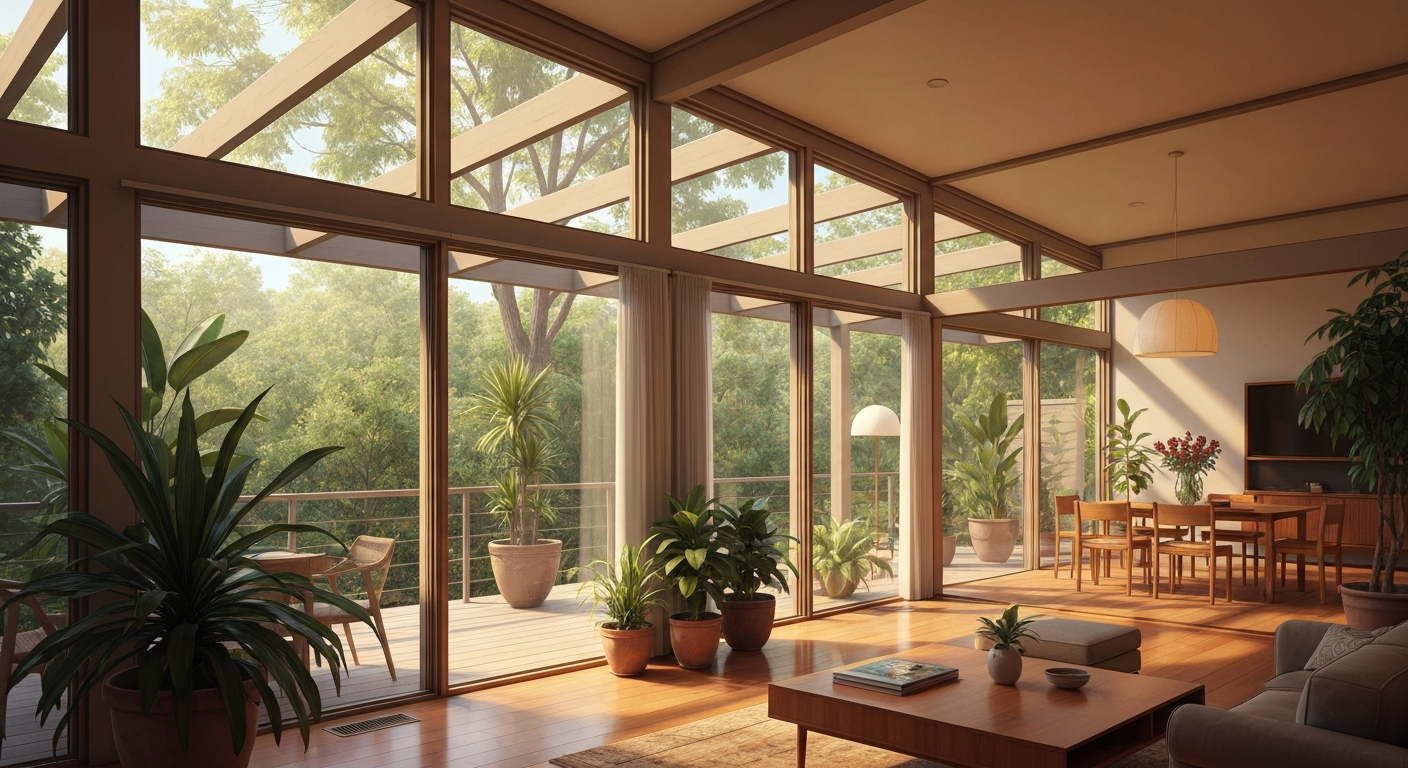
- This style prioritizes a strong connection to nature, using large windows and access to outdoor areas.
- The use of natural materials like wood, stone, and glass is essential to the authentic mid century modern aesthetic.
- Functionality is just as important as form, with every design element serving a clear purpose.
- Modern design from this era blends nostalgic charm with features perfect for today's lifestyles.
Introduction
Are you drawn to designs that feel both classic and fresh? The mid century modern movement, which thrived from the 1940s to the 1970s, offers a timeless appeal that continues to capture the hearts of homeowners. This innovative modern design transformed modern homes by focusing on simplicity, functionality, and a deep connection with the natural world. It fuses nostalgic charm with a clean, forward-thinking aesthetic, creating spaces that are both beautiful and perfectly suited for contemporary living.
Understanding Mid Century Modern Home Design
Originating in the mid-twentieth century, mid century modern design emerged as a response to new technologies and changing lifestyles after the war. This architectural movement celebrated optimism and innovation, creating modern homes that were open, bright, and functional. Its principles have profoundly influenced today's home styles by popularizing open-concept living and minimalism.
The style's lasting popularity comes from its ability to feel both retro and current. The focus on uncluttered spaces and indoor-outdoor living laid the groundwork for much of the modern design we see today. You will discover its key characteristics and rich history in the sections below.
Defining Mid Century Modern Style
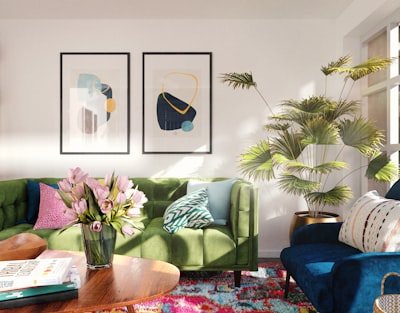
The essence of the mid century modern style is a commitment to simplicity. This design philosophy strips away unnecessary ornamentation to celebrate clean lines and functionality. Every element, from the walls to the furniture, has a purpose and contributes to a sleek, uncluttered aesthetic that feels both calm and organized.
You’ll notice that geometric shapes are fundamental to this look. Straight lines, gentle organic curves, and basic forms like rectangles and squares define the structure and decor. This use of simple shapes helps create a sense of order and visual harmony, making spaces feel open and easy on the eyes.
Key architectural features of mid century modern home design include flat or low-pitched roofs, which create a horizontal, low-to-the-ground profile. These homes also feature expansive panes of glass and an emphasis on integrating with the landscape, defining the modern style's iconic look.
Historical Origins and Influence
Following World War II, a new wave of architectural thinking took hold, giving rise to the mid century modern movement. This style grew from early modernist ideas from Europe, brought to America by architects seeking a fresh start. It was a period of optimism, experimentation, and a desire to create better living spaces for modern families.
Pioneering designers like Ludwig Mies van der Rohe, Walter Gropius, and Frank Lloyd Wright laid the groundwork, while figures such as Charles and Ray Eames and Richard Neutra became masters of the style. The famous Case Study House program, which included iconic homes like the Stahl House, showcased how these principles could be applied to residential architecture, blending innovation with livability.
The influence of mid century modern design is still strongly felt in today's home styles. Its emphasis on open living, minimalism, and connecting with the outdoors has become a staple of contemporary architecture. This enduring legacy is why the style continues to feel relevant and highly sought-after.
Key Architectural Features of Midcentury Modern Houses
A mid century modern house is instantly recognizable by a few distinct characteristics. The key architectural features of mid century modern home design include open floor plans that create an airy atmosphere, and large windows that erase the boundaries between inside and out. These elements work together to form a cohesive and functional living space.
This approach to modern architecture also includes flat or low-pitched rooflines and changes in elevation, such as split-level floors, to define spaces. The result is a home that feels spacious, connected, and effortlessly stylish. We’ll explore how these features create flow and a link to nature.
Open Floor Plans and Flow
One of the most transformative ideas in mid century design is the use of open floor plans. Instead of small, boxed-in rooms, this style creates a seamless flow between the kitchen, dining, and living areas. This approach not only makes a home feel larger but also encourages a more connected and social way of living.
Popular floor plans for mid century modern homes often use clever techniques to define areas without solid walls. You might find partial walls, large cabinets acting as room dividers, or small steps creating split-level spaces. These design choices maintain the open feel while still providing a sense of separation and purpose for each area, all defined by clean, straight lines.
Open layouts offer several benefits for today's lifestyle:
- They create an expansive, airy feeling that enhances natural light.
- They allow for easy movement and interaction between different living zones.
- They provide flexibility in how you arrange and use your space.
Integration with Nature and Outdoor Spaces
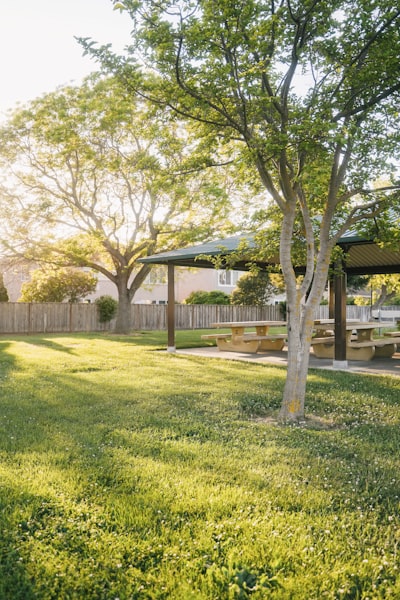
A deep respect for the outdoors is at the heart of mid century modern design. You can see this in the extensive use of large windows, often stretching from floor to ceiling. These walls of glass do more than just let in light; they frame the natural surroundings, making the landscape a living piece of art within your home.
Functionally, these homes are designed to merge indoor and outdoor spaces. Multiple access points, such as sliding glass doors, lead directly to patios, gardens, and other outdoor living areas. This thoughtful design makes it easy and inviting to step outside, effectively extending your living space into nature.
This integration is a key step in achieving an authentic look. By blurring the lines between inside and out, the home feels larger and more peaceful. The focus isn't just on having a view but on making the connection to your natural surroundings an essential part of your daily life.
Essential Materials and Finishes in Midcentury Modern Homes
The material palette in mid century modern homes is a thoughtful mix of organic and manufactured elements. Natural materials like wood and stone provide warmth and texture, grounding the clean, modern lines. These are often contrasted with industrial materials like glass, metal, and plastic to create visual interest.
This combination of different surfaces and iconic textures is a defining characteristic of the style. Commonly used materials include wood, glass, metal, and stone, which are blended to maintain a sleek aesthetic while adding layers of detail. Let's look closer at how these materials and finishes come together.
Wood, Glass, and Metal Details
Wood is arguably the most important of the natural materials used in mid century modern architecture. It appears everywhere, from exposed ceiling beams and paneled walls to sleek furniture and flooring. Its natural grain brings warmth and an organic softness that beautifully contrasts with the style's geometric precision.
Glass and metal are also crucial to the look. Expansive glass walls and sliding doors are used to connect the interior with the outdoors, while metal details appear in window frames, railings, and furniture legs, adding a touch of industrial polish. This blend of materials is fundamental to achieving the authentic mid century feel.
Here’s a quick breakdown of how these materials are typically used:
- Material: Wood
Common Uses in Mid Century Modern Design: Wall paneling, flooring, furniture, structural beams - Material: Glass
Common Uses in Mid Century Modern Design: Floor-to-ceiling windows, sliding doors, room dividers - Material: Metal
Common Uses in Mid Century Modern Design: Furniture legs, light fixtures, window and door frames - Material: Stone
Common Uses in Mid Century Modern Design: Fireplace surrounds, exterior accents, entryway flooring
Iconic Textures and Surfaces
Beyond the primary materials, the interplay of iconic textures and surfaces gives mid century modern its unique character. A key design choice is contrasting different finishes. Imagine the smoothness of a glass wall next to the rugged texture of a stone fireplace, or the warmth of a wood-paneled wall complemented by sleek metal accents.
This era also saw the embrace of new, man-made materials. Plywood, plastic, and fiberglass were celebrated for their versatility and modern feel. Designers used them in innovative ways, especially in furniture, creating curved, organic shapes that were previously difficult to achieve.
This thoughtful combination of textures is what gives the modern style its timeless appeal. The mix of natural and manufactured surfaces creates a look that feels layered, interesting, and full of classic charm, proving that a simple design can still be rich in detail.
Achieving the Mid Century Modern Look in Home Decor
To decorate your home for an authentic mid century modern look, you need to think beyond the architecture. The right decor, furniture, and color schemes are essential for capturing the spirit of this modern design. From the living room to the bedroom, every choice should reflect the style's core principles of simplicity and function.
Getting the look right means focusing on iconic pieces and specific palettes. Signature furniture and bold yet earthy color schemes will help you tie everything together. Below, we'll explore how to select the perfect items to create a space that is stylish and true to the era.
Signature Furniture Pieces for Living Rooms
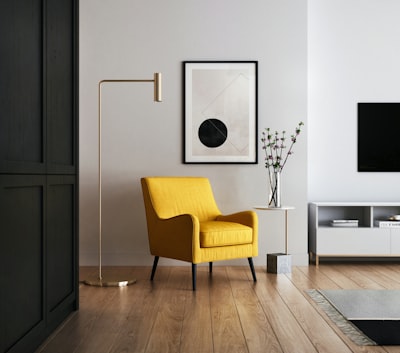
Furniture is at the heart of the mid century modern living room. Pieces from this era are celebrated for their sculptural qualities, combining clean lines with organic curves. Signature furniture from this time was designed to be both beautiful and highly functional, making it a perfect fit for modern homes.
Designers like Charles and Ray Eames created some of the most recognizable pieces, from molded plastic chairs to elegant lounge chairs. These items have a classic charm that feels just as fresh today as it did in the 1950s. Investing in a few key pieces can instantly define your space.
Essential furniture pieces for a mid century modern living room include:
- A low-profile sofa with tapered legs and simple upholstery.
- An iconic lounge chair and ottoman, which can act as a centerpiece.
- A simple, organically shaped coffee table made of wood or glass.
- A sleek credenza or sideboard for stylish storage.
Color Schemes and Decorative Accents
The right color schemes are crucial for creating an authentic mid century modern style. The palette often begins with a foundation of warm, neutral tones. White, cream, and gray walls create a clean backdrop that allows the architecture and furniture to stand out. Natural wood finishes also play a big role in this base palette.
From there, you can introduce pops of color. The best color schemes for mid century modern interiors include earthy shades like olive green, mustard yellow, burnt orange, and deep teal. These colors are bold but not overwhelming and can be used on an accent wall, in textiles, or through decorative accents.
To use color and accents effectively, keep these tips in mind:
- Start with a neutral base to create a sense of simplicity.
- Layer in one or two earthy colors for warmth and personality.
- Choose decorative accents with geometric patterns, like starburst clocks or abstract art.
- Prioritize functionality and avoid clutter to let the design breathe.
Conclusion
In conclusion, embracing Mid Century Modern home design can transform your space into a harmonious blend of functionality and aesthetics. By understanding the key features, materials, and decor elements that define this timeless style, you can create an environment that reflects your personality while offering comfort and elegance. Whether you’re updating your existing space or starting from scratch, integrating signature furniture pieces and thoughtful color schemes will help you achieve that sought-after look. As you embark on this design journey, remember that each choice contributes to a cohesive atmosphere that celebrates simplicity and natural beauty. If you’re ready to take the next step in transforming your home, reach out for a consultation to explore how Mid Century Modern design can work for you!