Key Highlights
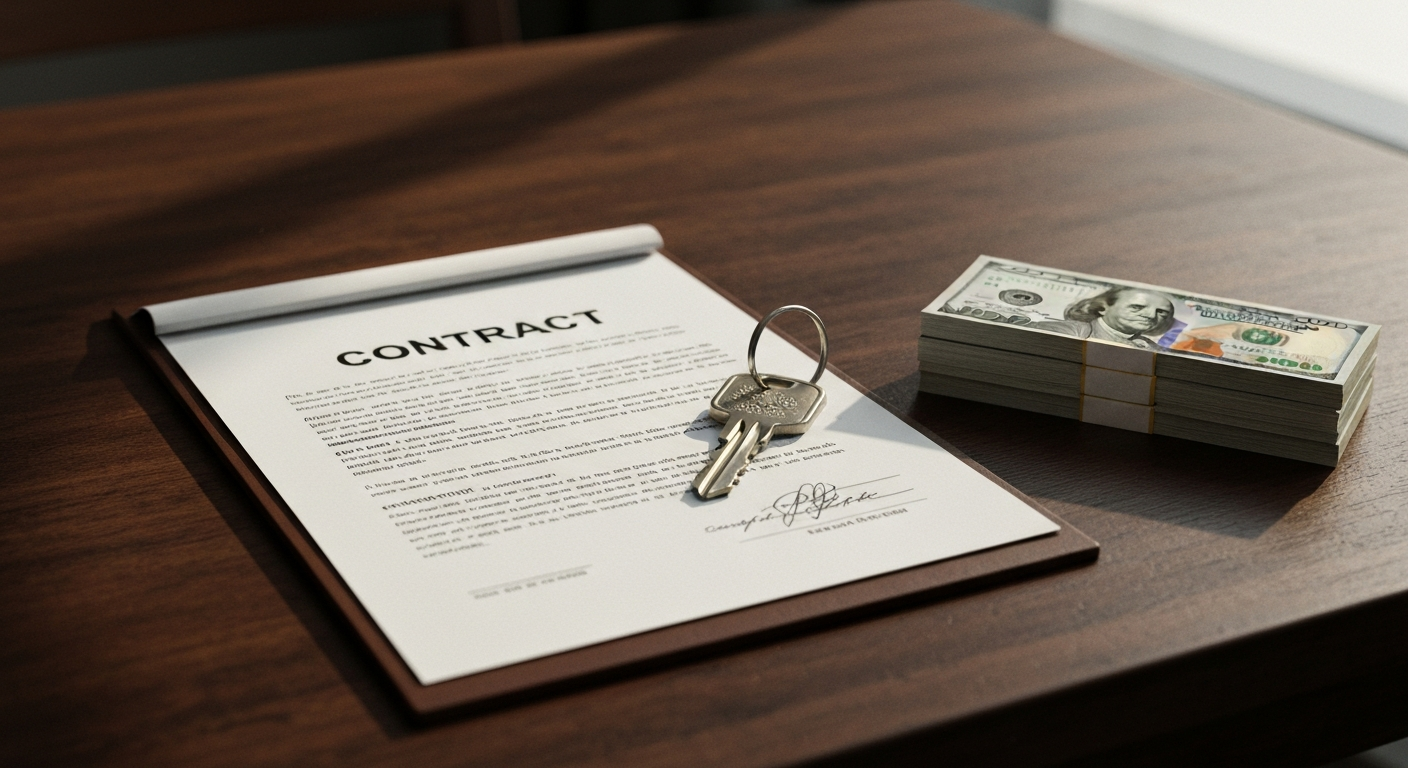
- Escrow is a process where a neutral third party holds funds and documents during a real estate transaction.
- An escrow account securely holds your earnest money deposit until all sale conditions are met.
- The escrow process protects both the buyer and the seller from financial loss.
- Your mortgage lender may also use an escrow account to manage your property tax and homeowners insurance payments.
- Escrow fees are part of the closing costs associated with buying or selling a home.
Introduction
If you are navigating the world of real estate, you've likely heard the term "escrow." What does it really mean? Essentially, escrow is a secure holding area for money and important documents during a transaction. An escrow account is managed by a neutral third party to ensure that all agreed-upon conditions are met before the final sale. Understanding how this works is a key step toward a smooth and confident home-buying experience.
What Is Escrow and Why Is It Used?
Escrow is a financial arrangement where a neutral third party holds funds and assets on behalf of two other parties engaged in a transaction. The purpose of escrow is to make real estate transactions safer by ensuring that no money or property changes hands until all conditions have been fulfilled.
This process provides protection and peace of mind for everyone involved. For complex and high-value transactions like buying a home, the escrow process is a crucial element that builds trust and ensures fairness from start to finish.
Defining the Escrow Process
The escrow process begins once a seller accepts a buyer's offer. An escrow account is opened, and the buyer deposits their earnest money. This deposit shows the seller you are serious about the purchase.
An independent escrow agent, acting as the third party, manages this account. This agent follows the "escrow instructions" outlined in your purchase agreement. These instructions detail all the requirements that must be met by both the buyer and the seller before the transaction can be completed.
So, how exactly escrow works is simple: the agent holds all funds and documents until every task, from home inspections to loan approval, is complete. Once all conditions are satisfied, the agent distributes the funds to the seller and transfers the property title to the buyer, officially closing the deal.
The Role of Escrow in Modern Transactions
In today's real estate transactions, escrow plays an indispensable role by providing a safety net. Its primary purpose is to protect all parties from potential problems. Imagine giving a large deposit directly to a seller; if an issue arises, getting your money back could be difficult.
By placing funds in an escrow account managed by a neutral third party, you can be confident that your money is safe. The funds will only be released once every term of the agreement is met, such as a satisfactory home inspection or securing financing.
This arrangement provides assurance and confidence throughout the buying and selling journey. It guarantees that the seller gets paid once they fulfill their obligations and that the buyer receives the property title as promised, making the entire process more transparent and secure.
Types of Transactions That Use Escrow
While most commonly associated with real estate, escrow services are valuable in many different types of transactions. Any situation where significant funds or assets need to be exchanged based on specific conditions can benefit from this protective measure. The mortgage lender often requires an escrow account for certain loans.
The primary use is in property sales, but the applications are broader. These transactions often involve large sums of money and complex agreements, making a neutral holding process essential.
Some examples include:
- Residential real estate sales (buying a home)
- Commercial real estate deals
- Escrow holdbacks for repairs or post-sale occupancy agreements
- Building a new construction home
How Does the Escrow Process Work in Real Estate?

When you're involved in a home purchase or home sale, the escrow process acts as a central hub for the transaction. After you and the seller agree on a price, an escrow account is opened to manage all the moving parts.
The escrow agent is responsible for holding the deposit, collecting documents, and ensuring all contractual obligations are met before the final closing. This structured process keeps your real estate deal on track and secure. The following sections will break down the specific steps and documents involved.
Step-by-Step Escrow Timeline for Homebuyers
For a first-time homebuyer, the escrow process can seem complex, but it follows a logical timeline. It begins right after your offer is accepted and your earnest money deposit is placed into the escrow account. From there, a series of critical steps must be completed before you get the keys.
Your escrow agent will guide you through this closing process, but it's helpful to know what to expect. The timeline involves everything from securing your loan to completing the final walkthrough.
Opening an Escrow Account with a Neutral Third Party
The first official step in the escrow process is opening an escrow account. Once you and the seller sign the purchase agreement, your real estate agent will take your initial deposit, also known as earnest money, and place it into this secure account.
This account is managed by a neutral third party, which could be an escrow company, a title company, or an attorney, depending on local practices. This party works for both the buyer and seller, not taking sides but simply ensuring the terms of the contract are followed.
This setup is fundamental to protecting everyone in real estate transactions. It ensures the buyer's deposit is safe and confirms to the seller that the buyer is committed. The escrow agent will hold these funds until every condition in the agreement is met, providing a secure foundation for the entire deal.
Critical Documents and Tasks During the Escrow Period
The escrow period is a busy time filled with important tasks and paperwork. During this phase, you and other parties will work to satisfy all the conditions laid out in the purchase agreement. Your earnest money deposit remains in escrow while these activities take place.
Successfully navigating this period requires careful attention to detail. From inspections to insurance, each task is a checkpoint on the path to closing. Your real estate agent will help you keep track of everything.
Key milestones include:
- Finalizing loan documents with your lender
- Completing the home inspection and negotiating any repairs
- Securing title insurance to protect against ownership claims
- Conducting a final walkthrough to ensure the property is in the agreed-upon condition
Who Manages the Escrow Process?
The escrow process is overseen by a licensed and neutral third party. This role is typically filled by an escrow agent or escrow officer who works for a dedicated escrow company. Their job is to act as an impartial referee, making sure the transaction is fair and follows the rules.
While your real estate agent will be your primary guide, they work alongside the escrow officer to ensure a smooth closing. The following sections explore the specific duties of these managers and how other professionals like lenders and attorneys are involved.
Duties of Escrow Agents and Companies
An escrow agent or officer has a very specific and important job: to execute the escrow instructions with precision and neutrality. They are the central coordinator for the closing, responsible for handling all the funds and documents involved in the transaction.
The escrow company doesn't work for the buyer or the seller; instead, it works for the agreement itself. The escrow officer ensures that all provisions in the purchase contract are met before any property or money changes hands, which is a critical part of the escrow process.
Key duties of an escrow agent include:
- Holding the buyer's deposit and loan funds securely
- Ensuring all required documents, like the deed and title reports, are in order
- Paying off any existing loans or liens on the property before closing
Involvement of Real Estate Agents, Lenders, and Attorneys
While the escrow agent manages the account, the escrow process is a team effort. Your real estate agent plays a crucial role in coordinating inspections, negotiating repairs, and communicating with all parties to keep the transaction moving forward.
The mortgage lender is also deeply involved. They will order the appraisal to confirm the property's value and prepare the loan funds to be wired to the escrow account for closing. The lender ensures the financial side of the deal is secure.
In some states, an attorney oversees the entire settlement process instead of an escrow company. In these cases, the attorney handles the responsibilities of holding funds, reviewing documents, and ensuring the title is clear, fulfilling a similar function to an escrow agent.
Key Benefits of Using Escrow Accounts
Using an escrow account in real estate transactions offers significant advantages for everyone involved. The biggest benefit is the peace of mind that comes from knowing a neutral party is safeguarding the funds and documents until the deal is done.
This arrangement provides robust buyer protection and seller protection, minimizing the risk of fraud or disputes. Escrow ensures that the transaction proceeds exactly as planned, making the complex process of buying a home much safer and more manageable.
Buyer Protections During Transactions
For a homebuyer, an escrow account provides crucial protection for your earnest money. This substantial deposit is held securely by the escrow agent rather than being given directly to the seller.
This setup ensures buyer protection if the home purchase doesn't go through for a valid reason. For instance, if the home inspection reveals major issues or you're unable to secure financing as outlined in your contract, the escrow process allows you to get your deposit back.
Without escrow, you would face the risk of the seller refusing to return your money, potentially leading to a complicated legal dispute. Escrow eliminates this worry, giving you the confidence to proceed with the necessary checks and balances.
How Sellers Benefit from Escrow Services
Escrow isn't just for buyers; it offers important seller protection as well. When a buyer places an earnest money deposit into escrow, it shows they are serious and financially capable of moving forward with the home sale.
An escrow service verifies that the buyer has secured the necessary funding to complete the purchase. This prevents a seller from taking their home off the market only to find out weeks later that the buyer cannot actually afford it.
Ultimately, escrow ensures that a seller will receive payment once they have met all their obligations under the purchase agreement. It removes the uncertainty of payment and guarantees that the transaction will close smoothly, provided all conditions are met.
Common Fees and Costs in the Escrow Process
The escrow process involves certain fees that are considered part of your overall closing costs. These include a one-time fee for the escrow service itself, which covers the administrative work of the escrow agent.
Additionally, your mortgage lender may set up an ongoing escrow account to manage future expenses like property taxes and insurance premiums. These escrow payments are collected with your monthly mortgage payment, making it easier to budget for these large bills.
Standard Escrow Account Fees Explained
Yes, there are fees involved in using an escrow service during a real estate transaction. The escrow company charges a fee for managing the closing process, which typically ranges from 1% to 2% of the home's purchase price.
These escrow fees are part of your closing costs and are usually detailed in your loan estimate and final closing statement. In many cases, the buyer and seller split this cost, though this can be a point of negotiation in the purchase agreement.
It's important to differentiate this one-time closing fee from the ongoing escrow payments for taxes and insurance. While the closing fee pays for the transaction service, the escrow payments are your own funds set aside for future bills.
Other Related Closing Costs to Expect
Besides the escrow service fee, you should budget for several other closing costs. These expenses are necessary to finalize your home purchase and ensure you are protected. One significant cost is for title insurance, which safeguards you and your lender against any hidden claims on the property's title.
You will also pay for the home inspection, appraisal, and potentially a pest inspection. These are critical steps that provide you with a clear picture of the property's condition and value before you commit to the purchase. The final walkthrough doesn't cost anything but is a vital last check.
After closing, your escrow account will manage payments for future insurance bills and property taxes. Your lender will collect a portion of these costs each month with your mortgage payment to ensure they are paid on time.
What Can Happen If Escrow Falls Through?
While escrow is designed to ensure a smooth home sale, transactions can sometimes fall through. If one party is unable to meet the conditions outlined in the purchase agreement, the deal may be canceled. When this happens, the main question becomes: what happens to the earnest money deposit?
The answer depends entirely on the terms of the contract and why the deal failed. If a buyer backs out for a reason not covered by a contingency, the seller may be entitled to keep the deposit. This can sometimes lead to legal disputes, where the escrow agent will hold the funds until an agreement is reached or a court decides.
Scenarios Where One Party Backs Out of Escrow
A buyer or seller might back out of escrow for several reasons, many of which are covered by contingencies in the purchase agreement. These clauses define the conditions that must be met for the closing process to continue.
If one of these conditions is not met, the buyer typically has the right to walk away from the deal without losing their earnest money. However, if a party backs out for a reason not covered in the contract, they could be in breach of the agreement.
Common reasons for a deal to fall through include:
- The home inspection reveals significant, unexpected damage.
- The property appraises for less than the sale price, and the seller won't lower it.
- The buyer is unable to secure the necessary financing.
Resolving Disputes and Handling Earnest Money

When a home purchase falls apart, the fate of the earnest money is determined by the purchase agreement. If the buyer cancels the deal based on a legitimate contingency, such as a failed inspection, they are generally entitled to a full refund of their deposit.
However, if the buyer backs out simply because they changed their mind, they risk forfeiting their earnest money to the seller as compensation for the seller's lost time and opportunity. This is one way the deposit protects the seller.
In cases of disagreement, the escrow agent cannot release the funds to either party. They will hold the earnest money until the buyer and seller come to a mutual agreement or until the matter is settled through mediation or legal action. This prevents legal disputes from getting messier.
Escrow Beyond Real Estate: Other Uses
Though most famous for its role in property sales, the concept of escrow is adaptable to many other kinds of transactions. Any time valuable assets are being exchanged and trust needs to be established, an escrow service can act as a secure middleman. This flexible model provides protection in a variety of commercial and personal dealings.
From high-value online purchases to protecting critical business assets like intellectual property, escrow provides a framework for secure exchange. For example, software escrow is a key tool for ensuring business continuity by safeguarding access to essential source code. The underlying principle remains the same: a neutral party holds assets until all conditions of an agreement are met.
Online Purchases and Escrow Services
Using an escrow service for large online purchases is a very safe way to protect yourself. When buying an expensive item like a car or jewelry from an unknown seller, there is always a risk. Escrow provides a layer of payment protection that benefits both the buyer and the seller.
The escrow process works simply: the buyer sends the payment to the neutral third party, who holds it securely. The seller is then notified that the funds are secured and can ship the item.
The buyer has a chance to receive and inspect the item to ensure it matches the description. Once the buyer approves the item, they notify the escrow service, which then releases the payment to the seller. This protects the buyer from fraud and assures the seller they will be paid.
- Buyer sends payment to escrow.
- Seller ships the item.
- Buyer receives and approves the item, and funds are released.
Escrow in Software and Business Continuity
Software escrow is a smart strategy used to protect a company's investment in critical software. When a business relies on a specific software application for its operations, it faces a major risk if the software vendor goes out of business or fails to provide support.
In a software escrow agreement, the vendor deposits the software's source code and other key intellectual property with a neutral escrow agent. This code is the fundamental blueprint of the software.
If a "release event" occurs, such as the vendor's bankruptcy, the escrow agent is authorized to release the source code to the business. This ensures business continuity, as the company can then maintain, update, and fix the software on its own, protecting its operations from disruption.
Conclusion
In conclusion, understanding how escrow works is essential for anyone involved in a transaction, especially in real estate. This secure process not only protects buyers and sellers but also ensures that all parties fulfill their obligations before the deal is finalized. Whether you're purchasing a home or engaging in other types of transactions, knowing the ins and outs of escrow can save you from potential pitfalls and misunderstandings. With its structured timeline and involvement of neutral third parties, escrow facilitates smoother transactions and fosters trust among all participants. If you’re ready to dive deeper into the escrow process and need assistance, don’t hesitate to reach out for a free consultation.