Key Highlights
- A fixer-upper offers a lower purchase price, giving a home buyer a chance to enter a desirable neighborhood.
- Successful projects depend on a thorough home inspection to uncover potential renovation costs.
- Careful budgeting is crucial, as unexpected issues can significantly increase total expenses.
- Fixer-uppers provide the unique opportunity to customize a home to your exact tastes.
- With smart planning, you can build significant home equity and increase the property's resale value.
- Working with an experienced real estate agent is key to finding the right property and negotiating a fair price.
Introduction
Have you ever dreamed of transforming a house into your perfect home? A fixer-upper can be an exciting path to homeownership, offering a lower purchase price in exchange for some hard work. While the idea of a complete renovation is thrilling, it's a significant commitment of time and money. This type of home purchase can be a truly rewarding experience, but it requires careful planning to ensure your dream home doesn't turn into a financial burden. Let's explore whether a fixer-upper is the right choice for you.
Understanding the Fixer-Upper Concept in the U.S. Housing Market
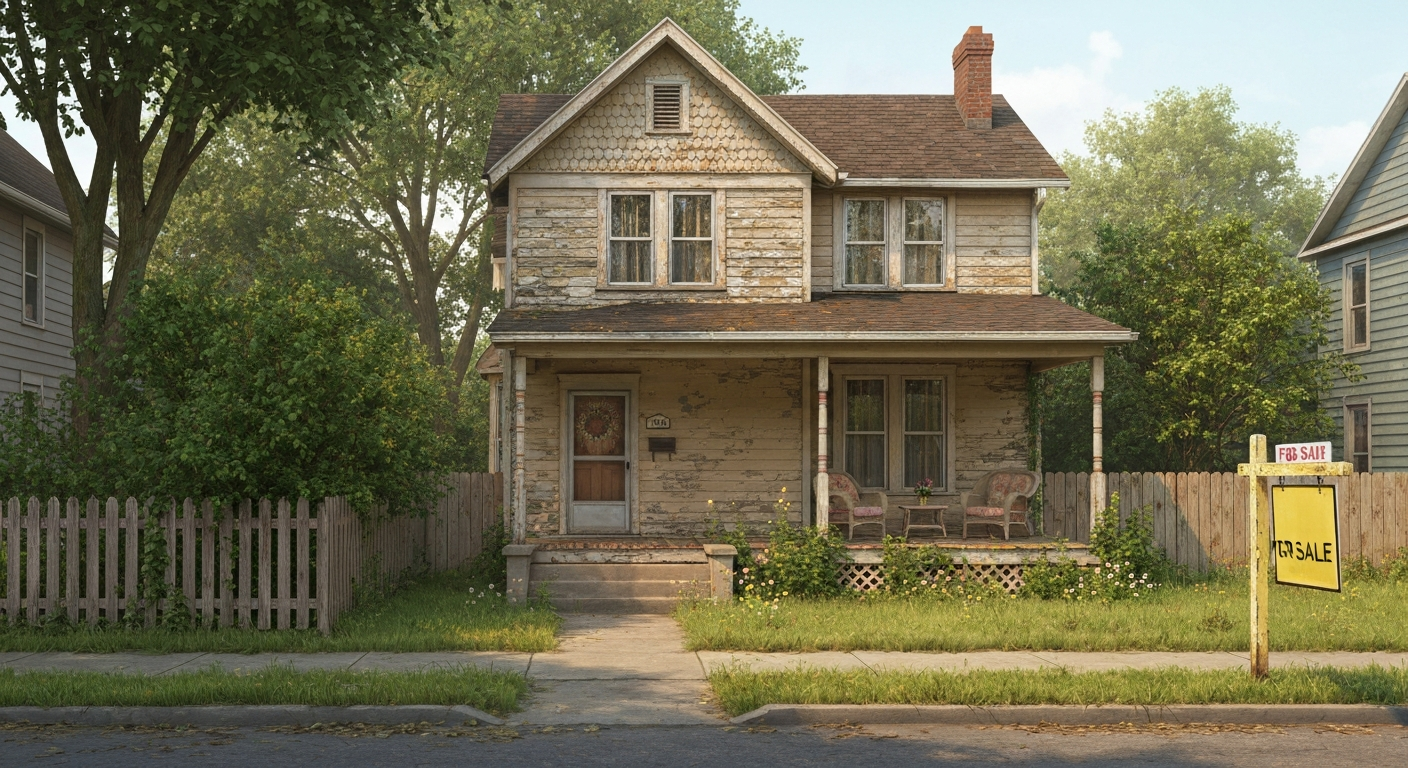
In the world of real estate, a fixer-upper is a property that needs significant repairs or updates. These homes are sold at a lower price because they require major renovations, ranging from cosmetic touch-ups to serious structural work. They represent a unique corner of the housing market.
For many buyers, the appeal lies in the potential to purchase a home below its market value and build equity through improvements. Whether you’re looking to flip for a profit or create a personalized living space, understanding the different types of properties available is the first step.
What Defines a Fixer-Upper Home
A fixer-upper is a property that requires substantial work before it can be considered move-in ready. This could mean it needs simple cosmetic fixes like new paint and flooring, or it might demand major changes like a new roof or a completely remodeled kitchen. The defining characteristic is the need for investment beyond the initial purchase.
Because of the work involved, these homes typically have a lower purchase price than comparable properties in the area. This reduced price reflects the future costs the new owner will incur. The goal for many buyers is that the final home value, after all the work is done, will be greater than the total amount spent.
Before you even consider making an offer, the first step is to get a detailed home inspection to understand the full scope of the necessary repairs. This will help you create a realistic budget and determine if the property is a wise investment or a potential money pit.
Types of Properties Commonly Sold as Fixer-Uppers
Fixer-uppers come in many forms, and not all require the same level of effort. Some properties might only need cosmetic updates, allowing you to live in the home while you gradually make improvements. Others, like a foreclosure, might be sold "as is" and could have serious hidden problems.
Finding the right type of home in your preferred area is crucial. First-time homebuyers, in particular, should be aware of the challenges that come with each. A property needing only light renovations is very different from one that needs to be gutted.
You will often find fixer-uppers in these categories:
- Foreclosures: Homes reclaimed by lenders and often sold at auction.
- Estate Sales: Properties sold after the owner has passed away, which may be dated.
- Homes with Cosmetic Issues: Houses that are structurally sound but need aesthetic updates.
- Older Homes: Properties with outdated systems like plumbing or electrical that need modernizing.
Pros and Cons of Buying a Fixer-Upper
Deciding to buy a fixer-upper involves weighing the potential rewards against the inherent risks. On one hand, you could secure a home at a great price and customize it completely. These savings can make a property a good investment in the long run.
On the other hand, the journey is often filled with unexpected challenges. Without a solid renovation budget and a realistic timeline, a fixer-upper can quickly become a source of stress and financial strain. Considering the pros and cons carefully will help you make an informed decision.
Advantages: Savings, Customization, and Investment Potential
One of the biggest draws of a fixer-upper is the financial benefit. Buying a fixer-upper can be a great way to save money, as the lower purchase price often means a smaller down payment and more manageable mortgage. This can make homeownership accessible in neighborhoods you might otherwise not afford.
Beyond the savings, you get complete control over the final product. This level of customization allows you to design a home that perfectly fits your lifestyle and taste, from the kitchen layout to the color of the walls. You're not just buying a house; you're creating your dream home.
The advantages are clear and compelling:
- Lower Purchase Price: Get more house for your money upfront.
- Total Customization: You have the freedom to remodel and design every aspect of the home.
- Increased Home Equity: Successful renovations can significantly boost your property's resale value.
- Less Competition: Fewer buyers are willing to take on a major project, giving you a competitive edge.
Drawbacks: Unexpected Costs and Time Commitments
While the benefits are attractive, the downsides can be significant. The most common mistake people make is underestimating the true cost of renovations. Unexpected costs almost always arise, from hidden mold to faulty wiring, which can derail your budget.
Furthermore, major renovations require a serious time commitment. Your timeline can stretch from months to over a year, and you may have to live in a construction zone or pay for temporary housing. This process can be stressful and disruptive to your daily life.
Consider these potential drawbacks carefully:
- Unexpected Costs: Hidden issues can lead to expensive, unplanned repairs.
- Difficult Budgeting: It is nearly impossible to predict the exact cost of a full renovation.
- Long Timeline: Renovations often take much longer than anticipated.
- High Labor Costs: Hiring professionals for electrical, plumbing, or structural work is expensive.
Key Factors to Evaluate Before Purchasing
Before you fall in love with a fixer-upper, a thorough evaluation is essential. This process goes beyond just looking at the price tag. You need to assess the property's location, structural condition, and your own financial readiness for such a large project.
Partnering with a trusted real estate agent can help you navigate these complexities. From arranging a professional home inspection to exploring financing options, taking a systematic approach will protect you from making a costly mistake. Let’s look at the most important factors to consider.
Assessing Location and Neighborhood Trends

The old real estate saying, "location, location, location," is especially true for a fixer-upper. A great property in a declining neighborhood may not see its market value increase, no matter how beautiful your renovations are. Your goal should be to find the least desirable house in your preferred area.
Investigate the neighborhood trends. Are new businesses opening? Are other homes being renovated? Positive signs of growth suggest that your investment is more likely to pay off. Proximity to good schools, parks, and public transportation can also significantly boost a home's future value.
Knowing if a fixer-upper is worth the effort often comes down to its surroundings. If the neighborhood is strong and appreciating, your hard work has a much better chance of translating into a solid return on investment and a wonderful place to live.
Evaluating Structural Integrity and Hidden Issues
When inspecting a fixer-upper, it's vital to distinguish between cosmetic flaws and serious structural problems. Peeling paint and old carpets are easy fixes, but issues with the home's core systems can be incredibly expensive and are often deal-breakers.
A thorough inspection should look for hidden issues that could turn your project into a nightmare. Problems like water damage or mold can indicate deeper issues with the roof or foundation. Similarly, outdated electrical systems or failing plumbing can require a complete overhaul.
Be on the lookout for these major red flags:
- Foundation Problems: Cracks or shifts in the foundation are costly to repair.
- Widespread Mold or Water Damage: This can signal roofing, plumbing, or drainage issues.
- Outdated Electrical Systems: Old wiring may not meet modern safety codes and can be a fire hazard.
- Failing Plumbing: Leaky or corroded pipes can lead to extensive damage.
- Roof Issues: A full roof replacement is one of the most expensive home repairs.
Beginner’s Guide: How to Approach Your First Fixer-Upper
For a first-time homebuyer, a fixer-upper can seem daunting. However, with the right approach, it can be a manageable and rewarding journey. The key is to break the process down into clear, actionable steps, from securing a home loan to deciding between a DIY approach and hiring professionals.
Understanding the challenges ahead is crucial. First-time buyers often underestimate the costs and time involved in a renovation. This guide will walk you through the essential steps to ensure your first fixer-upper project is a success.
What You’ll Need to Get Started: Budget, Financing, Team, and Tools
Before you even start looking at properties, you need to get your resources in order. Your renovation budget is the most critical piece. It should include not only the estimated costs for all projects but also a contingency fund of 10-20% for any surprises.
Next, explore your financing options. Special renovation loans can bundle the purchase price and repair costs into a single mortgage. You'll also need to assemble a reliable team, including a real estate agent who specializes in fixer-uppers, a thorough home inspector, and trustworthy contractors.
Here is a checklist of what you'll need:
- A Detailed Renovation Budget: List all planned projects and their estimated costs.
- Secure Financing: Get pre-approved for a home loan that covers both purchase and renovation.
- A Professional Team: An experienced agent, inspector, and contractors are invaluable.
- The Right Tools: If you plan on any DIY work, ensure you have the necessary equipment.
- A Realistic Timeline: Plan for each phase of the renovation.
Step-by-Step Guide to Buying and Renovating a Fixer-Upper

Buying and renovating a fixer-upper is a multi-stage process that requires careful planning from start to finish. Following a structured guide can help you stay on track and make smart decisions along the way. Your journey begins long before the home purchase, with research and budgeting.
A trusted real estate agent will be your guide, helping you find suitable properties and navigate the offer process. One of the most critical steps is conducting thorough property inspections. A professional home inspection will reveal the true condition of the house, allowing you to estimate costs accurately and decide if the property is worth the effort.
The path to your renovated home generally follows these key steps:
- Step 1: Research the market and set your budget.
- Step 2: Inspect the property thoroughly and estimate renovation costs.
- Step 3: Secure financing and make a smart offer.
- Step 4: Plan your renovations and decide between hiring professionals or DIY.
Step 1: Research the Market and Set Your Budget
Your first move should be to research the local real estate market. Look at home prices for both move-in ready houses and fixer-uppers in your target neighborhoods. This will give you a baseline for what a fair price looks like and help you estimate the potential market value of a renovated property.
Once you have a feel for the market, it's time to look at your financial situation and create a renovation budget. Be honest about what you can afford. Consider how much cash you have on hand and how much disposable income you'll have over the next few years to dedicate to the project.
Remember that your budget needs to cover more than just the purchase price. You'll need to account for closing costs, inspection fees, permit costs, materials, labor, and a contingency fund for unexpected issues. This initial financial planning is the foundation for a successful project.
Step 2: Inspect Thoroughly and Estimate Renovation Costs
Never skip a professional home inspection on a fixer-upper. A qualified home inspector will provide a detailed report on the home's condition, from the foundation to the roof. This report is your roadmap for estimating renovation costs and identifying any potential deal-breakers that weren't obvious at first glance.
After the inspection, create a list of every repair and upgrade you want to make. Research the cost of renovations by getting quotes from multiple contractors for major jobs. For DIY projects, price out the materials needed. This will help you build an accurate estimate.
It is helpful to break down the cost of renovations to understand where your money is going. Labor costs can often be as much as, or more than, the materials themselves.
Renovation Project Costs
- Kitchen Remodel
- Estimated Material Costs: $5,000 – $15,000+
- Estimated Labor Costs: $7,000 – $20,000+
- Bathroom Update
- Estimated Material Costs: $2,000 – $7,000
- Estimated Labor Costs: $3,000 – $10,000
- New Roof
- Estimated Material Costs: $5,000 – $12,000
- Estimated Labor Costs: $3,000 – $8,000
- Electrical Rewire
- Estimated Material Costs: $1,500 – $4,000
- Estimated Labor Costs: $4,000 – $10,000
Step 3: Secure Appropriate Financing and Make an Offer
Financing a fixer-upper can be different from a traditional home purchase. While you can use a conventional home loan, many buyers explore specialized financing options. A lender may offer renovation loans that bundle the purchase price and renovation funds into one mortgage, which can simplify the process.
Options like the Federal Housing Administration (FHA) 203(k) loan or the Fannie Mae HomeStyle Renovation Mortgage are designed specifically for this purpose. Some lenders, like Rocket Mortgage, also offer options that can strengthen your offer. The main risk with financing is underestimating costs and running out of money before the project is complete.
Once your financing is in place, it's time to make an offer. Work with your agent to propose a price that reflects the home's condition and the cost of necessary repairs. Always include contingencies, such as an inspection contingency, which allows you to back out if major, unexpected problems are discovered.
Step 4: Plan, Hire Professionals, or DIY Renovations
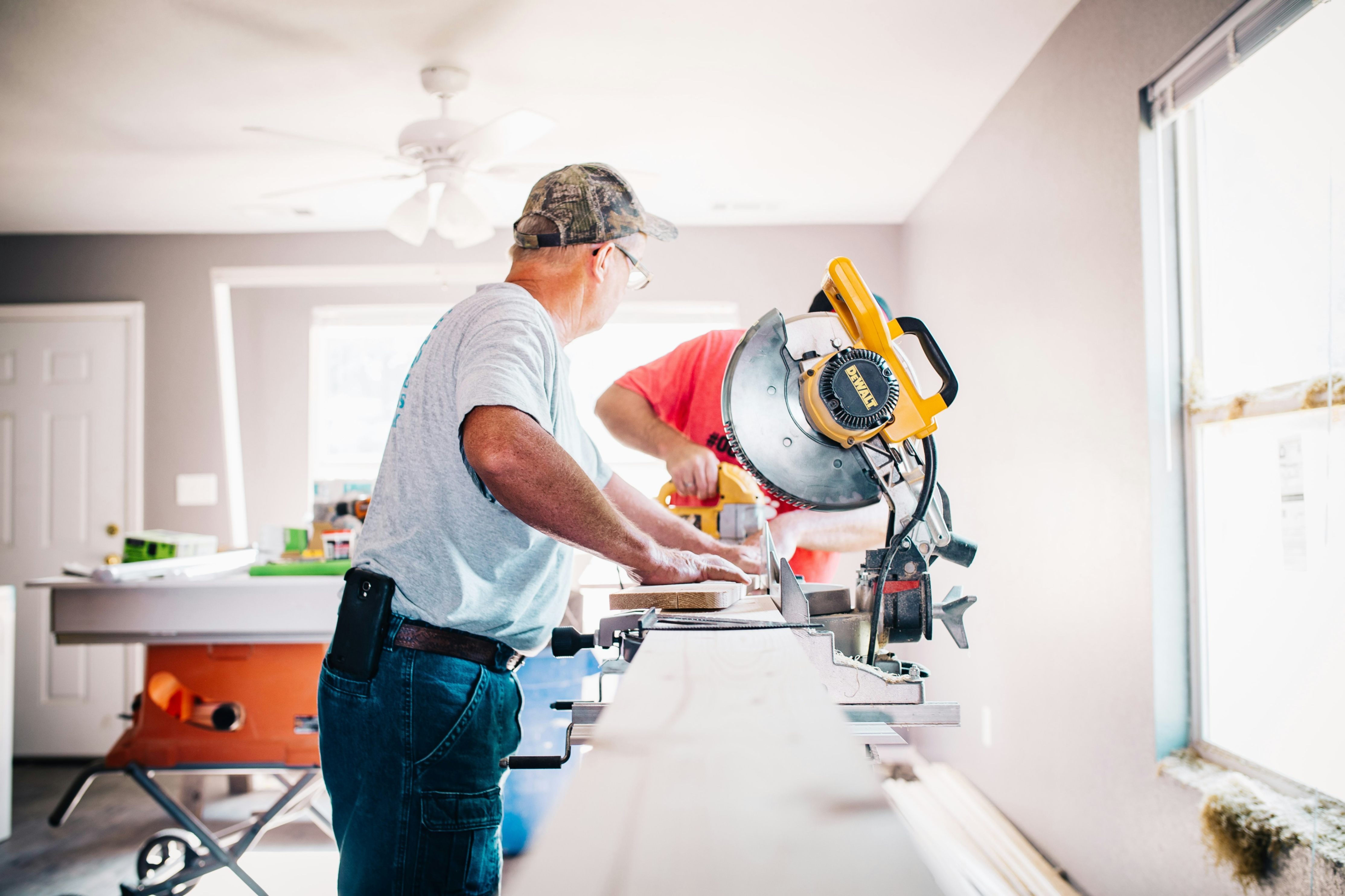
With the house officially yours, the renovation phase begins. The first decision is what you can realistically do yourself (DIY) versus what requires hiring professionals. While DIY can save a lot of money on labor, it's important to be honest about your skills and the time you have.
For major renovations involving structural changes, plumbing, or electrical work, it is almost always best to hire licensed professionals. Mistakes in these areas can be dangerous and costly to fix. For cosmetic tasks like painting, landscaping, or tiling, a DIY approach might be a great way to reduce the costs of renovations.
Create a detailed plan and timeline for all your projects. Decide which tasks to tackle first—usually, it's best to address structural and system-related issues before moving on to cosmetic updates. Knowing if a fixer-upper is worth it often comes down to how well you manage this final, crucial step.
Common Mistakes to Avoid with Fixer-Uppers
While a fixer-upper can be a fantastic opportunity, there are several common pitfalls that can turn a dream project into a nightmare. Many buyers run into unexpected problems, from underestimating the budget to overestimating their own DIY abilities.
Being aware of these common mistakes is the first step toward avoiding them. Paying close attention to your budget, timeline, and legal requirements will help you navigate the renovation process smoothly and protect your investment. Let's examine some of the most frequent errors homebuyers make.
Underestimating Renovation Expenses and Timelines
One of the most frequent and costly mistakes is creating an unrealistic renovation budget. It's easy to get excited about the possibilities and forget to account for every little expense. Many people don't realize how much money is needed until they are deep into the project and costs start piling up.
Similarly, renovations almost always take longer than planned. A project's timeline can be delayed by waiting for permits, contractor availability, or the discovery of hidden problems. These delays can add to your labor costs and overall stress, especially if you're paying for alternate housing.
To avoid this trap, make sure you:
- Add a Contingency Fund: Set aside 15-20% of your total renovation budget for surprises.
- Get Multiple Quotes: Don't accept the first estimate for the cost of renovations.
- Factor in All Costs: Remember to include permits, tools, and disposal fees.
- Build a Flexible Timeline: Expect delays and plan for them.
Overlooking Permit and Legal Requirements
Another common pitfall is ignoring local regulations and permit requirements. Many home renovation projects, especially those involving structural changes, electrical, or plumbing work, require official approval from your local government. Skipping this step can lead to serious consequences.
Failing to obtain the proper permit can result in fines, work stoppages, or even being forced to tear out completed renovations. It can also create problems when you eventually sell the home, as unpermitted work may lower your property value or scare off potential buyers.
Before starting any work, be sure to:
- Check with Your Local Building Department: Understand which projects require a permit.
- Submit Detailed Plans: Your application may need professional drawings.
- Schedule Required Inspections: An official will need to approve the work at various stages.
- Confirm Zoning Laws: Ensure your renovation plans comply with local zoning rules.
Estimating ROI and Resale Value Potential
A key motivation for buying a fixer-upper is the potential for a strong return on investment (ROI). By purchasing low and making smart improvements, you can significantly increase your home's value. However, a positive ROI is not guaranteed and depends on careful calculation and market awareness.
Estimating the future resale value involves more than just adding up your costs. You need to consider neighborhood trends, the quality of your renovations, and what buyers in your area are looking for. Let's explore how to calculate your potential profit and what influences a property's value.
Methods for Calculating Return on Investment
Calculating your potential ROI is a crucial step in determining if a fixer-upper is a sound financial move. A simple way to estimate it is to take the expected market value after renovations, subtract the purchase price and the total cost of renovations, and then divide that by your total investment.
This calculation helps you see if your efforts will result in a profit upon resale. However, even if you plan to live in the home, this exercise is valuable for understanding the home equity you are building. The goal is to ensure your final investment does not exceed the home's potential market value.
To calculate your ROI, you will need to:
- Estimate the After-Repair Value (ARV): Look at comparable renovated homes in the area.
- Calculate Total Investment: Add the purchase price, closing costs, and all renovation costs.
- Subtract Investment from ARV: This gives you your potential net profit.
- Divide Profit by Investment: This gives you your ROI percentage.
Factors Influencing Future Market Value
The future market value of your fixer-upper depends on much more than just fresh paint and new floors. While cosmetic upgrades are important, the choices you make during major renovations have the biggest impact on your home's resale price.
High-impact upgrades like modernizing the kitchen and bathrooms tend to offer the best return. Investing in energy-efficient appliances and improving curb appeal can also attract buyers. However, it's crucial not to over-improve for the neighborhood. If your home becomes significantly more luxurious than surrounding properties, you may not recoup your investment at resale.
Ultimately, market conditions will play a large role. A well-renovated home will always be more appealing, but its final value is tied to the broader real estate climate. Smart, thoughtful improvements that align with local buyer expectations are your best bet for maximizing market value.
Inspection Essentials for a Fixer-Upper
For any fixer-upper, the home inspection is the single most important step in the buying process. It's your only chance to get a professional, unbiased opinion on the true condition of the property before you commit. An inspection can uncover hidden problems that could cost you tens of thousands of dollars.
A thorough inspector will examine everything from the roof to the foundation, including key systems like plumbing and electrical. Pay close attention to any signs of water damage or mold, as these can indicate larger, more expensive issues. Here’s what to focus on during the inspection.
Major Red Flags to Watch Out For
While some issues are expected in a fixer-upper, certain problems should give you serious pause. These "red flags" are often incredibly expensive to fix and can signal that the property is more trouble than it's worth. Foundation problems, for example, can compromise the entire structure of the house.
Signs of significant water damage, like stains on ceilings or a musty smell, could point to a leaky roof or serious plumbing failures. Widespread mold is not only a health hazard but also indicates a moisture problem that must be addressed. Outdated electrical systems can be a fire risk and often require a complete, costly rewire.
Be especially wary of these major issues:
- Cracks in the Foundation: Can indicate structural instability.
- Extensive Water Damage or Mold: Suggests chronic moisture problems.
- Old or Faulty Electrical Systems: A major safety hazard and expensive to replace.
- Sagging Roofs or Floors: A sign of structural weakness that requires major renovations.
- Pest Infestations: Termites or other pests can cause significant structural damage.
Questions to Ask Your Inspector
To get the most out of your home inspection, you need to be an active participant. Don't just wait for the final report—attend the inspection and ask your qualified home inspector questions. This is your opportunity to learn about the property from an expert and understand the true extent of the repairs needed.
Ask about the age and condition of major systems like the HVAC, plumbing, and roof. Inquire about any signs of past problems, like patched cracks or evidence of old leaks. A good inspector can help you prioritize repairs, distinguishing between what needs to be fixed immediately and what can wait.
Make sure to ask your inspector these questions during property inspections:
- "Is this issue a major concern or a minor fix?"
- "Can you estimate the remaining lifespan of the roof/HVAC/water heater?"
- "Do you see any evidence of water damage or mold?"
- "Does the electrical panel and wiring look up to modern standards?"
- "What would be the most urgent repairs I need to make?"
Conclusion
In conclusion, buying a fixer-upper can be both a thrilling and daunting journey. By weighing the pros and cons, thoroughly evaluating the property, and meticulously planning your renovations, you can transform a neglected house into your dream home. It's essential to avoid common pitfalls, such as underestimating costs or overlooking inspections, as they can turn your investment into a money pit. Remember, success in this venture lies in careful preparation and execution. Embrace the challenge, and you may just find that your fixer-upper becomes the perfect canvas for your vision. If you're ready to take the next step in your home renovation adventure, reach out to us today for expert guidance!