Key Highlights
Here are the key takeaways from the urban real estate market:
- The urban real estate market is seeing a shift, with many people moving from large urban centers to smaller cities and suburbs.
- Market trends show a high demand for affordable housing options in urban areas due to rising costs.
- Despite population shifts, urban properties still present strong investment opportunities because of high rental demand.
- New developments, including single-family build-to-rent communities, are changing the landscape.
- Economic factors and remote work are majorly influencing property values and tenant preferences.
Introduction
The urban real estate market is a dynamic and ever-changing landscape. Characterized by densely populated cities and bustling activity, these areas offer unique opportunities and challenges for renters, buyers, and investors. Across the United States, from New York to San Francisco, urban centers are adapting to new economic realities and shifting lifestyle preferences. Understanding these market trends is crucial whether you're looking to find a home or make a smart investment in today's world of real estate.
Understanding the Urban Real Estate Market in the United States
The urban real estate market in the United States refers to properties within the core of large cities and metropolitan areas. These urban environments are defined by their high population density, extensive infrastructure, and proximity to businesses and cultural attractions. As a result, property values in these locations are often higher and more competitive.
Recent trends have forced a reevaluation of urban areas. With shifts in how and where people work, real estate portfolios are being reimagined to meet new demands. This includes adapting to population movements away from the largest cities and finding innovative solutions for housing needs in evolving urban environments.
Defining Urban Real Estate Markets
Urban real estate markets consist of residential and commercial properties located in the heart of cities. These are areas with a high concentration of buildings, businesses, and people, creating a vibrant and fast-paced atmosphere. The built environment in these urban markets is designed for convenience, with easy access to shopping, dining, entertainment, and public transportation. This setup is a key part of the appeal of city life.
Unlike suburban markets, which are characterized by lower density and more open space, urban markets are all about proximity and accessibility. The main difference is the lifestyle they support; urban living is typically more dynamic and connected, while suburban life is quieter and more spread out. These distinctions are reflected in the property types and market trends seen in each area.
Understanding these characteristics helps you see why urban areas attract a diverse population, from young professionals to students who thrive on the energy of the city. The constant activity and concentration of opportunities define the unique nature of urban property markets.
Key Attributes of Urban Real Estate Compared to Suburban and Rural Areas
Urban real estate has several distinct attributes that set it apart from suburban and rural areas. The most significant difference is density. Urban centers are packed with a variety of property types, from high-rise apartments to townhouses, all in close proximity to one another and to commercial hubs.
In contrast, suburban and rural areas offer more space. Suburban homes often come with yards, while rural properties can include significant acreage. This difference in space and density directly impacts lifestyle and cost. How do these markets truly differ?
Key differentiators include:
- Lifestyle and Atmosphere: Urban areas offer a fast-paced, convenient lifestyle, while suburbs provide a quieter, family-friendly environment.
- Infrastructure: Cities feature extensive public transportation and walkability, whereas suburban and rural areas are more car-dependent.
- Cost of Living: Property prices, taxes, and daily expenses are generally highest in urban centers.
Differences Between Urban, Suburban, and Rural Real Estate Markets
The primary differentiators between urban, suburban, and rural real estate markets boil down to population density, lifestyle, and infrastructure. Urban areas are bustling hubs of activity, while suburban real estate offers a quieter, more family-oriented setting. Rural areas provide the most space and tranquility, with properties often spread far apart.
These differences create distinct market trends and appeal to different demographics. As you explore your options, understanding these core distinctions is the first step. We will now look closer at how factors like population, accessibility, and lifestyle shape each of these unique markets.
Population Density and Demographics
Population density is a defining feature that separates urban, suburban, and rural markets. Urban centers have the highest concentration of people, which fuels a vibrant, 24/7 atmosphere. This high density supports a wide range of businesses and cultural attractions. Demographics in cities often lean toward young professionals and students who value proximity to work and entertainment.
In contrast, suburban areas have a lower population density, creating quieter neighborhoods with more open space. This environment, along with the availability of larger homes, tends to attract families. The recent population growth in suburban areas has been partly driven by people leaving crowded urban centers in search of more space and a different quality of life.
Here is a simple breakdown of the key differences:
Urban vs. Suburban Comparison
- Population Density
- Urban Area: High population, bustling streets, vibrant businesses
- Suburban Area: Lower density, more open space, quieter neighborhoods
- Atmosphere
- Urban Area: Fast-paced, diverse dining, entertainment, and nightlife
- Suburban Area: Relaxed, family-friendly, with parks and community activities
- Cost of Living
- Urban Area: Higher rent, property prices, and daily expenses
- Suburban Area: More affordable housing, lower overall costs
Infrastructure, Accessibility, and Lifestyle
Infrastructure and accessibility play a crucial role in shaping the lifestyle offered by different real estate markets. Urban living is defined by its convenience. Well-developed infrastructure means that city dwellers often have everything they need within walking distance or a short trip on public transportation. This ease of access is a major draw for those who prefer not to rely on a car.
This accessibility directly influences the urban lifestyle. Do you enjoy having endless dining, shopping, and entertainment options at your doorstep? If so, urban living might be for you. The main factors that influence urban housing market trends are often tied to this convenience.
Key lifestyle benefits of urban infrastructure include:
- Seamless connectivity via buses, trains, and subways.
- Walkable streets that promote an active lifestyle.
- Easy access to employment hubs and cultural attractions.
- A dynamic and energetic social environment.
Current Trends Shaping Urban Real Estate Markets in 2025
As we look toward 2025, several emerging trends are reshaping urban areas. The real estate market is adapting to post-pandemic realities, including the rise of remote work and a new focus on affordability. These shifts are causing noticeable changes in demand, with real estate prices recalibrating in many large cities.
These market trends are creating a new landscape for both renters and investors. The following sections will explore what is driving these changes, from the types of properties people want to the new developments that are appearing in cityscapes.
Shifts in Demand for Multifamily vs. Single-Family Units

One of the most significant recent trends is the changing preference between multifamily and single-family units. A recent survey shows that while multifamily properties still house the majority of tenants (54.64%), a substantial portion (45.36%) are now choosing single-family homes. This reflects a growing desire for more space, privacy, and autonomy.
The rise of remote work is a major catalyst for this shift. With less need to be close to an office, many people are prioritizing larger homes over a short commute. This has fueled demand in the rental market for single-family properties, which often offer more room to set up a home office and enjoy more personal space.
This trend is reshaping the rental landscape, particularly for families who value the spaciousness and outdoor areas that single-family homes provide. As a result, these properties are becoming a highly sought-after option, influencing the direction of the entire rental market in 2025.
New Developments and the Role of Mixed-Use Properties
New developments in urban areas are increasingly focused on creating integrated living experiences. While not always explicitly labeled as mixed-use properties, many new projects combine residential units with commercial real estate, such as shops, restaurants, and offices. This model enhances city life by placing essential amenities in close proximity to where people live.
This approach creates a "live-work-play" environment that is highly attractive to modern city dwellers. Cities like Atlanta, Houston, and Nashville are seeing significant growth in these types of new developments, attracting residents and driving the urban real estate market. Another major trend is the rise of single-family build-to-rent communities, which offer the space of a house with the flexibility of renting.
Key features of these new developments include:
- Convenient access to retail and dining.
- A blend of residential, commercial, and green spaces.
- Focus on community and walkability.
Factors Influencing Urban Housing Market Trends
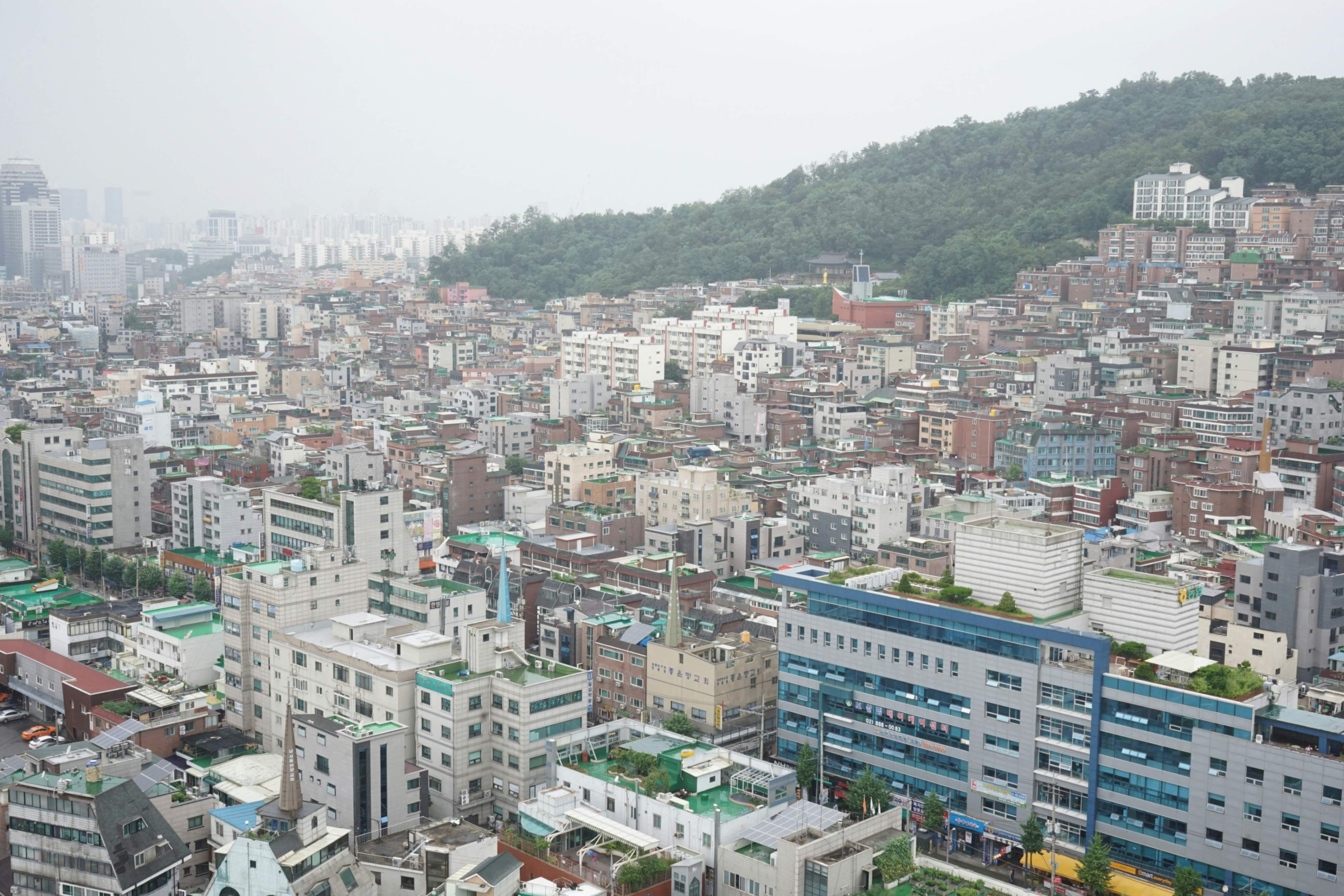
A variety of powerful factors shape urban housing market trends. Economic indicators, such as interest rates and employment growth, have a direct impact on affordability and demand. At the same time, government policies and a growing emphasis on sustainability are changing how cities are built and how people live in them.
These elements combine to create a complex and constantly evolving market. Understanding them is key to navigating the future of urban housing. Let’s examine how the economy and local policies are influencing real estate today.
Economic Indicators and Employment Patterns
Economic growth and employment patterns are fundamental drivers of the urban housing market. When job opportunities are plentiful in a city, people move there, increasing demand for housing and driving up real estate prices. Conversely, economic downturns can slow market activity. We've seen this recently as rising mortgage rates have caused some potential buyers to pause their search.
The cost of living is another critical economic indicator. In many major cities, home prices have surged, outpacing income growth and making it difficult for many to afford housing. This affordability challenge is a significant factor pushing people toward smaller cities or suburban areas where their money can go further.
Ultimately, the health of the local economy dictates the strength of its real estate market. Regions with strong employment prospects, like those in the Sun Belt, continue to attract new residents and investment, influencing property values and development trends.
Government Policies, Zoning, and Sustainability Initiatives
Government policies, zoning regulations, and sustainability initiatives have a profound effect on urban environments. For instance, stricter lending criteria influenced by economic policy can limit access to mortgages, affecting who can buy a home. Additionally, zoning laws dictate what can be built where, shaping the very structure of a city and its housing supply.
In response to affordability challenges, many cities are exploring new policies and creative solutions. There is an urgent call for more affordable housing, which has led to an interest in innovative approaches like modular homes and 3D printing. These technologies could help increase housing supply more quickly and at a lower cost, helping to reimagine real estate portfolios in the United States.
Sustainability initiatives are also becoming more important. As cities aim to become greener, policies encouraging energy-efficient buildings and better public transportation can enhance the quality of life and influence real estate values over the long term.
Opportunities and Challenges for Urban Real Estate Investors
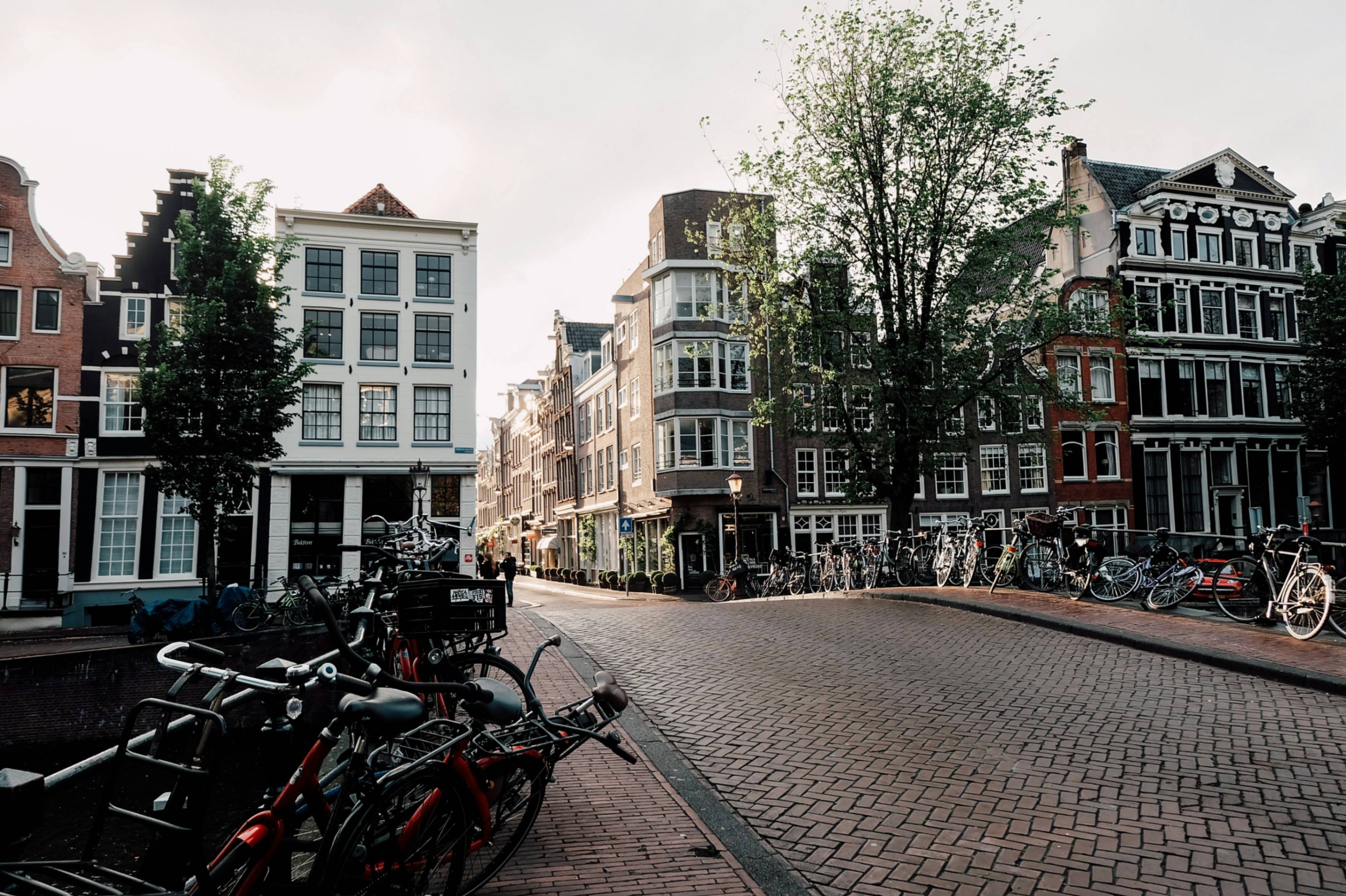
For real estate investors, urban areas present a landscape of both exciting investment opportunities and significant challenges. The high demand for rentals in cities can lead to steady income, but the high costs and competitive nature of the market require a strategic approach. Navigating these dynamics is key to success.
What are the potential rewards and what are the risks you should be aware of? The following sections break down the potential for growth and diversification in urban markets, as well as the common hurdles investors face.
Investment Potential and Portfolio Diversification
Investing in urban real estate offers strong potential for portfolio diversification and healthy returns. Cities attract a wide range of residents, including young professionals and students, ensuring a consistent and strong rental demand. This high demand can translate into reliable rental income and lower vacancy rates for your properties.
Although the initial purchase price per square foot can be high, urban properties often see significant appreciation in property values over time. This potential for capital growth, combined with steady cash flow from rent, makes urban real estate an attractive option for long-term real estate investment.
By adding urban properties to your portfolio, you can tap into a market segment driven by different factors than suburban or rural real estate. This diversification can help mitigate risk and create a more resilient investment strategy that capitalizes on the unique economic engine of cities.
Common Challenges and Risks in Urban Property Markets
Despite the opportunities, urban markets come with a distinct set of challenges and risks. The high cost of entry is one of the biggest hurdles. Purchase prices, property taxes, and maintenance costs are typically much higher in cities, which can impact your overall return on investment. The higher cost of living in these areas can also affect the rental market.
Market trends can also be volatile. Economic downturns or shifts in population, like the recent move toward suburban areas, can impact demand and property values. Investors must stay informed and be prepared to adapt to a rapidly changing environment.
Here are some common challenges you might face:
- High Expenses: Increased purchase prices, taxes, and maintenance costs.
- Limited Space: Properties are often smaller, which may not appeal to all renters, especially families.
- Competition: Urban markets are highly competitive, making it harder to find good deals.
- Regulatory Hurdles: Cities often have complex regulations and zoning laws to navigate.
Conclusion
In conclusion, the urban real estate market is a dynamic and ever-evolving landscape filled with unique opportunities and challenges. As we move towards 2025, understanding the key trends—such as the demand for multifamily units and the rise of mixed-use properties—will be crucial for both investors and homeowners alike. By staying informed about demographic shifts, government policies, and economic indicators, you can make smarter decisions in this competitive market. Whether you're looking to invest or simply navigate your living situation, being aware of the nuances of urban real estate will equip you with the knowledge to thrive. If you have questions or need assistance, feel free to reach out to us for more insights!
Frequently Asked Questions
How have urban housing markets evolved in recent years?
In recent years, urban housing markets have evolved significantly. The post-pandemic era has accelerated market trends like the shift to remote work, leading to population growth in smaller cities. This has increased demand for affordable housing and caused property values to adjust in major metropolitan areas.
What impact do demographic shifts have on urban property values?
Demographic shifts directly impact urban property values. When populations move, demand changes. For example, as some families and remote workers leave dense urban areas for suburbs, demand for larger homes increases there. Meanwhile, a continued influx of young professionals can keep rental demand high in city centers.
Is investing in the urban real estate market a good choice compared to suburban areas?
Investing in urban centers can be a good choice, but it depends on your goals. Urban areas offer high rental income potential due to strong demand. However, suburban areas may offer more affordable properties and attract long-term tenants like families. The best choice depends on your investment strategy.